The Art of Minimalism: How to Design a Home That Sparks Joy explores the transformative power of minimalist design. This guide delves into the principles of minimalist aesthetics, offering practical steps to declutter, organize, and create a living space that promotes both functionality and serenity. We’ll examine color palettes, furniture selection, the strategic use of natural light, and the profound psychological benefits of embracing a less-cluttered environment.
Learn how to cultivate a home that not only looks beautiful but also fosters a sense of calm and well-being.




From understanding the core tenets of minimalist design to mastering the art of decluttering and organizing, this guide provides a comprehensive approach to creating a truly joyful and functional living space. We’ll explore various techniques, offering practical advice and visual examples to inspire you throughout the process. Whether you’re a seasoned minimalist or just beginning your journey towards a simpler life, this guide will equip you with the knowledge and inspiration to transform your home into a sanctuary of peace and tranquility.
Defining Minimalist Design Principles
Minimalist home design prioritizes simplicity, functionality, and intentionality, creating spaces that are both aesthetically pleasing and calming. It’s about curating a living environment that promotes peace and reduces visual clutter, allowing the inherent beauty of the space and its carefully chosen elements to shine. This approach isn’t about deprivation, but rather about thoughtful selection and a focus on quality over quantity.Minimalist aesthetics transcend specific architectural styles, adapting to diverse forms and expressions.
The core tenets remain consistent: a focus on clean lines, uncluttered spaces, and a restrained color palette.
Minimalist Aesthetics Across Architectural Styles
Minimalism’s adaptability is evident in its successful integration into various architectural styles. For instance, a minimalist approach applied to a traditional Victorian home might involve stripping away superfluous ornamentation, focusing on highlighting the home’s original architectural details through careful restoration and a neutral color palette. Conversely, a modern minimalist home might emphasize clean geometric lines, large windows, and open floor plans, maximizing natural light and creating a sense of spaciousness.
Even a rustic farmhouse can embrace minimalism by emphasizing natural materials, simple furnishings, and a limited color scheme. The key is to retain the inherent character of the architecture while stripping away excess.
Five Key Characteristics of Minimalist Homes
Several key characteristics consistently distinguish minimalist homes from other design styles. These characteristics work in concert to create a cohesive and intentional living space.
- Decluttered Spaces: Minimalist homes prioritize functionality and eliminate unnecessary items. Every object serves a purpose and contributes to the overall aesthetic.
- Neutral Color Palette: A restrained color palette, often featuring shades of white, gray, beige, and black, creates a sense of calm and spaciousness. Accents of color are used sparingly and intentionally.
- Clean Lines and Simple Forms: Furniture and architectural details feature clean lines and simple forms, avoiding ornate or fussy designs. This creates a sense of order and visual clarity.
- Natural Light and Open Spaces: Maximizing natural light and creating open floor plans are crucial elements in minimalist design. This enhances the sense of spaciousness and airy feel.
- High-Quality Materials: Minimalist design prioritizes quality over quantity. Fewer items are selected, but those chosen are of high quality, durable materials, ensuring longevity and contributing to the overall aesthetic.
Minimalist Living Room Mood Board
Imagine a living room bathed in soft, natural light. The color palette is predominantly neutral, featuring warm white walls, a light gray rug, and accents of natural wood. The textures are varied but subtle: the smooth surface of a linen sofa, the soft pile of the wool rug, and the rough-hewn texture of a wooden coffee table. Materials include natural wood, linen, wool, and concrete (possibly used in a subtle way, such as a concrete coffee table base).
The furniture is simple and functional, a three-seater linen sofa, a low coffee table made of light-colored wood, and a single, statement armchair in a complementary neutral tone. A few carefully chosen plants add a touch of life and organic texture. The overall effect is one of understated elegance, calm, and intentional simplicity. The space feels open, airy, and inviting, a true reflection of minimalist design principles.
Decluttering and Organizing Your Space
Embarking on a minimalist journey involves a significant shift in perspective regarding possessions. Decluttering and organizing are not merely tidying tasks; they are fundamental steps towards creating a home that reflects your values and promotes well-being. This process requires a thoughtful and systematic approach, allowing you to curate a living space that is both functional and aesthetically pleasing.
The following steps provide a practical guide to achieve this transformation.
A step-by-step decluttering process for a minimalist home involves a phased approach focusing on intentionality and mindful decision-making. It’s not about discarding everything, but rather about thoughtfully evaluating each item and its significance in your life.
A Step-by-Step Decluttering Process
- Categorize: Begin by grouping similar items together. This might involve sorting clothes, books, kitchenware, etc., into separate piles. This categorization facilitates a more focused evaluation of each item type.
- Evaluate: For each item, ask yourself: Does this spark joy? Does it serve a practical purpose? If the answer is no to both, it’s time to let it go. Be honest with yourself; sentimentality can often cloud judgment.
- Discard: Dispose of unwanted items responsibly. Donate usable items to charity, recycle what you can, and discard the rest according to local regulations. This act of letting go can be surprisingly liberating.
- Organize: Once you’ve decluttered, organize the remaining items in a way that maximizes space and functionality. Utilize storage solutions that are both practical and aesthetically pleasing.
- Maintain: Regularly revisit your decluttering efforts. This prevents accumulation and ensures your minimalist space remains clutter-free. A consistent approach to maintenance is key to long-term success.
Sample Closet Organization Using Minimalist Techniques
A minimalist closet prioritizes functionality and visual appeal. The following table illustrates a sample organization strategy:
| Item Category | Item Count | Storage Location | Notes |
|---|---|---|---|
| Tops | 15 | Hanging rod | Organized by color and sleeve length |
| Bottoms | 10 | Folded on shelves | Folded vertically to maximize space |
| Dresses | 5 | Hanging rod (separate section) | Longer items hung at the back |
| Shoes | 8 | Shoe rack | Pairs neatly arranged |
| Accessories | 5 | Drawer | Organized by type (scarves, belts, jewelry) |
The KonMari Method and Minimalist Home Design
The KonMari Method, developed by Marie Kondo, emphasizes keeping only items that “spark joy.” This approach aligns perfectly with minimalist principles, encouraging a mindful evaluation of possessions and a focus on quality over quantity. The method involves tackling items by category (clothing, books, papers, etc.), holding each item, and assessing its emotional resonance. Items that do not evoke joy are thanked for their service and then discarded.
Benefits of Regular Decluttering for Mental Well-being
Regular decluttering offers significant benefits for mental well-being. A clutter-free environment can reduce stress and anxiety, promoting a sense of calm and control. Studies have shown a correlation between a tidy home and improved mental clarity and focus. The act of decluttering itself can be therapeutic, providing a sense of accomplishment and empowering individuals to take charge of their surroundings.
This contributes to a more peaceful and productive lifestyle, freeing up mental energy for other pursuits.
Choosing a Minimalist Color Palette
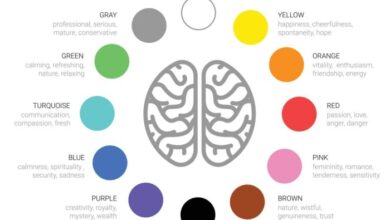
Creating a calming and cohesive color palette is crucial for achieving the serene atmosphere characteristic of minimalist design. A well-chosen palette enhances the feeling of spaciousness and tranquility, while a poorly chosen one can create visual clutter and disrupt the intended minimalist aesthetic. The key lies in understanding the psychology of color and how different shades interact to create a desired mood.A minimalist color palette typically prioritizes a limited number of colors, often focusing on neutrals with the occasional strategic use of accent colors.
This approach promotes a sense of order and simplicity, allowing the architectural features and carefully selected furniture to take center stage. Overusing colors can detract from this intended effect.
Minimalist Bedroom Color Palettes
The bedroom, a space for relaxation and rejuvenation, benefits particularly from a thoughtfully curated color palette. Here are three distinct palettes, each evoking a different mood:
- Palette 1: Serene Neutrals: This palette utilizes soft whites, warm creams, and light greys. Imagine walls painted in a warm, off-white, complemented by cream-colored bedding and light grey accents in the furniture or rugs. This palette creates a feeling of airy spaciousness and quiet calm. The absence of bold colors promotes relaxation and sleep.
- Palette 2: Earthy Tones: This palette features muted greens, browns, and beige. Picture walls in a soft sage green, paired with natural wood furniture and beige linen bedding. This palette brings a sense of connection to nature, fostering a grounding and peaceful atmosphere. The natural hues promote a feeling of stability and tranquility.
- Palette 3: Cool Monochromatic: This palette uses varying shades of a single cool color, such as grey or blue. Visualize walls in a light grey, with darker grey accents in the furniture and bedding. A touch of a lighter, almost white grey could be incorporated into the textiles. This palette provides a sense of sophisticated simplicity and understated elegance. The monochromatic approach offers a cohesive and calming visual experience.
Neutral Tones Versus Bold Accent Colors
Neutral tones, such as whites, greys, beiges, and creams, form the foundation of most minimalist designs. They provide a clean, uncluttered backdrop that allows other elements, such as textures and furniture, to stand out. Bold accent colors, used sparingly, can add pops of personality and visual interest without overwhelming the space. The contrast between the calmness of neutrals and the vibrancy of accent colors creates a dynamic yet balanced aesthetic.
For example, a predominantly white room might incorporate a single bold piece of furniture in a deep teal or a vibrant artwork in a rich ochre. The strategic use of bold color enhances the impact of the chosen elements, preventing visual fatigue.
Textural Interest in Neutral-Toned Spaces
To avoid a monotonous look in a neutral-toned minimalist space, texture plays a vital role. Imagine a room with off-white walls. A chunky knit throw blanket on a linen sofa introduces tactile warmth. A woven jute rug adds a natural, earthy texture underfoot. The smooth surface of a marble coffee table contrasts beautifully with the rough texture of a hand-woven basket.
These varying textures create visual interest and depth without introducing additional colors, maintaining the minimalist aesthetic while preventing visual monotony. The interplay of different textures adds a layer of complexity and richness to the otherwise simple color palette.
Selecting Furniture and Decor: The Art Of Minimalism: How To Design A Home That Sparks Joy
Choosing the right furniture and decor is crucial for achieving a minimalist aesthetic. The goal is to select pieces that are both functional and visually appealing, contributing to a sense of calm and spaciousness rather than overwhelming the environment. This involves careful consideration of functionality, material, and visual impact.
Multifunctional furniture is a cornerstone of minimalist design. By selecting pieces that serve multiple purposes, you significantly reduce the number of items needed while maintaining practicality. This approach maximizes space and minimizes visual clutter, key elements of a successful minimalist interior.
Multifunctional Furniture Examples
Several furniture pieces excel at fulfilling multiple roles within a minimalist home. Consider a sofa bed that transforms from a seating area to a guest bed, saving valuable floor space. An ottoman with built-in storage offers both seating and concealed storage for blankets or games. A coffee table with drawers provides a surface for drinks and a place to store remotes and magazines.
A Murphy bed, which folds away into a wall, is ideal for smaller apartments or rooms that need to serve multiple functions. These examples showcase how clever design can enhance both functionality and space efficiency.
Space Maximization and Clutter Minimization Strategies
Selecting furniture that maximizes space and minimizes visual clutter requires a strategic approach. Opt for pieces with clean lines and simple designs. Avoid ornate detailing or overly embellished furniture. Choose furniture that is proportionate to the room’s size; oversized pieces can make a space feel cramped, while undersized pieces can appear lost. Consider using light-colored furniture to make a room feel larger and brighter.
The use of transparent or reflective surfaces, such as glass coffee tables, can also help to create a sense of spaciousness. Finally, keeping surfaces clear and uncluttered is essential to maintain a minimalist aesthetic.
Minimalist Dining Area Design
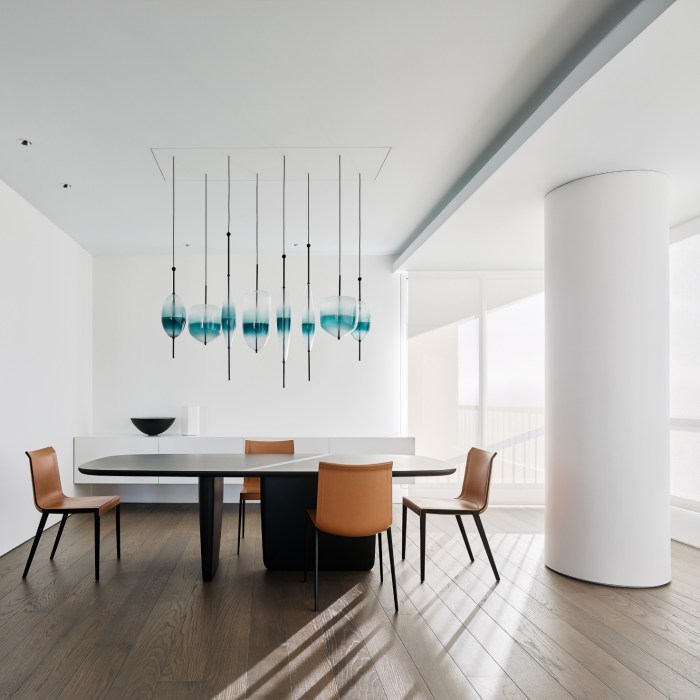
A minimalist dining area should be both functional and aesthetically pleasing. The following elements create a serene and uncluttered space:
- Dining Table: A simple, rectangular wooden table made from light-colored wood like ash or oak. Avoid overly decorative or intricately designed tables.
- Dining Chairs: Four to six simple, upholstered chairs in a neutral color, such as beige or gray. Choose chairs with clean lines and minimal detailing.
- Lighting: A single pendant light fixture above the table provides ample illumination without being visually overwhelming. Consider a simple, geometric design in a matte black or brushed nickel finish.
- Materials: Primarily natural materials like wood and linen. These materials create a warm and inviting atmosphere while maintaining a minimalist aesthetic.
Incorporating Natural Elements, The Art of Minimalism: How to Design a Home That Sparks Joy
Natural elements, such as wood, stone, and plants, can add warmth and texture to a minimalist space without overwhelming it. The key is to use them sparingly and strategically.
For example, a single, large potted plant in a simple ceramic pot can add a touch of life and greenery. A wooden coffee table or a stone accent piece can introduce natural texture and warmth without adding visual clutter. Remember, the goal is to enhance the space, not to fill it. Overuse of natural elements can negate the minimalist effect.
Incorporating Natural Light and Functionality
Natural light is a cornerstone of minimalist design, contributing significantly to the feeling of spaciousness and serenity that defines the style. Its impact extends beyond aesthetics; studies show that ample natural light improves mood, productivity, and overall well-being, making it a crucial element in creating a truly functional and joyful living space. By strategically maximizing natural light, we can enhance the minimalist aesthetic and improve the quality of life within the home.Maximizing natural light enhances the minimalist aesthetic by reducing the need for artificial lighting, thus minimizing visual clutter and contributing to a cleaner, more uncluttered look.
The soft, diffused glow of natural light also complements the typically neutral color palettes found in minimalist homes, creating a harmonious and calming atmosphere. Furthermore, natural light is free, environmentally friendly, and contributes to energy savings, aligning perfectly with the sustainable principles often associated with minimalism.
Maximizing Natural Light in Different Room Types
Different room types present unique challenges and opportunities for maximizing natural light. In living rooms, strategically placing furniture to avoid blocking windows is paramount. Using sheer curtains or blinds allows for light diffusion while maintaining privacy. In kitchens, light-colored cabinetry and countertops reflect light, creating a brighter space. Positioning the kitchen island to allow for light penetration is also beneficial.
Bedrooms benefit from light-colored bedding and window treatments that allow maximum light penetration during the day. Bathrooms, often smaller spaces, can benefit from skylights or strategically placed mirrors to reflect existing light.
Integrating Smart Home Technology
Smart home technology can be seamlessly integrated into a minimalist aesthetic, enhancing functionality without compromising the clean lines and uncluttered look. For example, smart lighting systems allow for customized lighting schemes, adjusting brightness and color temperature throughout the day to mimic natural light. These systems can be controlled via voice commands or a central app, minimizing the visual presence of switches and controls.
Similarly, smart blinds or curtains can be automated to optimize light entry throughout the day, further reducing the need for manual adjustments. The key is to choose sleek, minimalist-designed smart home devices that blend seamlessly into the environment.
Small Apartment Floor Plan: Maximizing Functionality
Imagine a small, approximately 500 square foot apartment. The open-plan living area incorporates a minimalist kitchen with light-colored cabinetry and integrated appliances. A large window in the living area allows ample natural light, and a strategically placed mirror reflects this light into the space. A sofa, coffee table, and a small shelving unit complete the living area. The bedroom is separated from the living area by a sliding partition, maximizing space.
A built-in wardrobe maximizes storage, keeping clothes out of sight and maintaining the minimalist aesthetic. The bathroom, though compact, utilizes light-colored tiles and a mirror to create a sense of spaciousness. This layout emphasizes functionality and minimizes visual clutter, creating a comfortable and serene living space despite its small size.
The Psychology of Minimalism and Well-being
Minimalist living offers more than just an aesthetically pleasing home; it profoundly impacts mental and emotional well-being. By intentionally reducing possessions and simplifying our surroundings, we create space—not just physically, but mentally and emotionally—allowing for a greater sense of calm and control in our lives. This section explores the psychological benefits of embracing a minimalist lifestyle.Minimalist living and stress reduction are intrinsically linked.
A cluttered environment often mirrors a cluttered mind, leading to feelings of overwhelm and anxiety. The act of decluttering, therefore, is a powerful tool for stress management. Removing visual and physical clutter reduces sensory overload, allowing the brain to focus on what truly matters, rather than constantly processing extraneous stimuli. Studies have shown that individuals living in organized, minimalist spaces report lower levels of cortisol (the stress hormone) and experience greater feelings of serenity.
The Calming Effect of a Minimalist Home
A minimalist home, characterized by its clean lines, uncluttered surfaces, and intentional use of space, contributes significantly to a sense of calm and peace. The absence of visual distractions allows for a more restful and restorative environment. Imagine a bedroom with only a bed, a nightstand, and soft lighting; the tranquility of such a space is palpable. This sense of calm facilitates better sleep, improved concentration, and a reduced likelihood of feeling overwhelmed.
The deliberate simplicity fosters a sense of control and order, reducing the anxiety often associated with chaotic environments.
Psychological Benefits of Decluttering and Simplifying
Decluttering and simplifying one’s surroundings offer a multitude of psychological benefits beyond stress reduction. The process itself can be therapeutic, providing a sense of accomplishment and control. Letting go of possessions that no longer serve a purpose can be liberating, freeing up mental space previously occupied by feelings of guilt, obligation, or attachment to material items. This process allows for a renewed focus on experiences and relationships rather than material possessions, leading to greater overall life satisfaction.
Research consistently demonstrates a correlation between decluttered homes and improved mental well-being.
Practicing Mindfulness in a Minimalist Living Space
A minimalist home provides an ideal setting for mindfulness practice. The absence of visual clutter reduces distractions, allowing for a greater focus on the present moment. Simple activities, such as preparing a cup of tea in a minimalist kitchen or meditating in a serene bedroom, become more enriching experiences. The intentional simplicity of the space encourages a slower pace of life, promoting reflection and self-awareness.
Mindfulness techniques, such as deep breathing or body scans, are easily integrated into a minimalist lifestyle, enhancing the overall sense of calm and presence. For example, the simple act of arranging flowers in a minimalist vase can become a mindful practice, focusing on the beauty and detail of the moment.