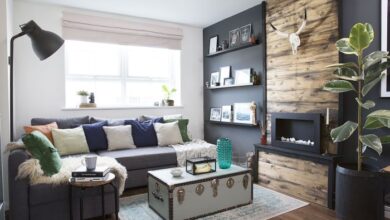
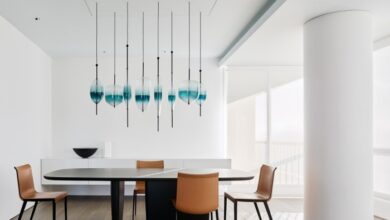
Interior Design on a Budget: Stylish Solutions That Won’t Break the Bank – transforming your living space doesn’t require a fortune. This guide unveils practical strategies and creative ideas to achieve a stylish and functional home without overspending. We’ll explore smart shopping techniques, DIY projects, color psychology, and budget-friendly material choices, empowering you to create the home of your dreams without emptying your wallet.
From repurposing old furniture to strategically using color and light, we’ll cover a range of techniques to maximize your impact. Learn how to prioritize your needs, avoid common decorating pitfalls, and ultimately, create a space that reflects your personal style while respecting your budget. This guide provides a step-by-step approach, making the process manageable and enjoyable.



Introduction: Interior Design On A Budget: Stylish Solutions That Won’t Break The Bank
Transforming your living space into a stylish haven shouldn’t require emptying your bank account. This article explores the art of budget-friendly interior design, demonstrating that achieving a beautiful and functional home is entirely possible without breaking the bank. We’ll uncover practical strategies and creative solutions to help you create a space that reflects your personal style while respecting your financial limits.
Discover how to maximize your budget and minimize expenses, unlocking the potential for a stunning interior makeover.Budget-friendly interior design is about creating a stylish and functional living space while carefully managing expenses. It’s about prioritizing smart purchases, utilizing existing resources creatively, and making informed decisions to maximize the impact of your investments. It’s not about sacrificing style for affordability; rather, it’s about finding clever ways to achieve both.
Key Principles of Budget-Friendly Interior Design
Three core principles guide the creation of stylish interiors without excessive spending: prioritization, resourcefulness, and planning. Prioritization involves focusing on the most impactful elements of a room first, such as paint color or key furniture pieces. Resourcefulness involves creatively repurposing existing items and seeking affordable alternatives. Planning involves careful budgeting and shopping strategically to avoid impulse purchases and maximize value.
By adhering to these principles, you can significantly stretch your budget and achieve impressive results.
Smart Shopping Strategies
Transforming your home’s aesthetic needn’t drain your bank account. With a strategic approach to shopping, you can achieve a stylish and comfortable living space without compromising your budget. This section explores effective strategies for sourcing affordable décor and furniture, maximizing your spending power, and creating a home you love.
Secondhand and Thrift Store Shopping
Shopping secondhand offers significant advantages for budget-conscious interior designers. Thrift stores, consignment shops, and online marketplaces like eBay and Facebook Marketplace are treasure troves of unique and affordable furniture and décor. The environmental benefits are also substantial, reducing waste and promoting sustainable consumption. Often, you can find high-quality pieces at a fraction of their original price, allowing you to invest in more substantial items or add more unique character to your space.
For example, a vintage armchair might cost a tenth of the price of a new one, offering a one-of-a-kind addition to your living room. Careful inspection is crucial, of course, to ensure the item is in good condition or can be easily repaired.
Retailer Comparison: Price and Quality
Different retailers cater to varying budgets and quality expectations. Big-box stores typically offer lower prices but often compromise on quality and design uniqueness. Their furniture is usually mass-produced, leading to a less distinctive look. Smaller boutiques and independent furniture stores, on the other hand, usually offer higher-quality, more unique pieces, but at a significantly higher price point. Online marketplaces provide a diverse range, bridging the gap between the two, offering both budget-friendly and higher-end options.
For instance, a simple sofa from a big-box store might cost $500, while a similar sofa from a boutique could be $1500 or more. A comparable used sofa on an online marketplace could range from $200 to $800 depending on condition and style.
Negotiating Prices and Finding Discounts
Negotiating prices, especially in smaller stores and at flea markets, is often possible and can lead to significant savings. Knowing the market value of an item beforehand strengthens your negotiating position. Don’t be afraid to politely inquire about discounts, especially if purchasing multiple items or if the item has minor imperfections. Many retailers offer seasonal sales and clearance events, providing opportunities to snag significant discounts on home goods.
Websites and apps specializing in deals and coupons can also help you locate savings. Furthermore, consider joining loyalty programs for your favorite home goods stores to access exclusive discounts and promotions. For example, asking for a 10% discount on a damaged item or buying multiple items in bulk can result in substantial savings.
Shopping Source Comparison
| Source | Cost | Quality | Pros/Cons |
|---|---|---|---|
| Big-box Stores | Low | Variable, often lower | Pros: Convenient, wide selection, low prices. Cons: Lower quality, less unique designs, potential for mass-produced look. |
| Smaller Boutiques | High | Generally high | Pros: Unique designs, higher quality materials, better craftsmanship. Cons: Higher prices, limited selection, potentially less convenient location. |
| Secondhand/Thrift Stores | Very Low | Variable, requires careful inspection | Pros: Extremely affordable, unique finds, sustainable. Cons: Requires time and effort to find suitable items, condition can vary greatly. |
| Online Marketplaces | Variable | Variable | Pros: Wide selection, competitive pricing, convenience. Cons: Requires careful research and vetting of sellers, potential for shipping costs and delays. |
DIY and Repurposing Techniques
Repurposing and DIY projects offer a fantastic avenue for creating a stylish home without exceeding your budget. Transforming old, unwanted items into unique décor pieces not only saves money but also adds a personal touch that mass-produced items simply can’t replicate. This section will explore various techniques and provide practical examples to inspire your creativity.By embracing DIY and repurposing, you can breathe new life into existing furniture and household items, significantly reducing waste and adding character to your living space.
The satisfaction of creating something beautiful and functional from discarded materials is incredibly rewarding, and the cost savings are substantial. This approach allows you to personalize your home décor to perfectly reflect your style and preferences.
Repurposing Old Furniture
An old dresser can be transformed into a stunning vanity with a fresh coat of paint and new hardware. Imagine a worn, dark brown dresser. A coat of crisp white paint instantly brightens it, making it feel modern and airy. Replacing the old, tarnished knobs with sleek, brushed gold handles elevates the piece, adding a touch of elegance.
The addition of a mirrored top completes the transformation into a beautiful and functional vanity. Alternatively, a vintage suitcase can be repurposed into a unique side table by attaching sturdy legs. Picture a weathered leather suitcase, its patina speaking of journeys past. With the addition of four simple, dark wood legs, it becomes a charming and conversation-starting side table.
The contrasting textures and colours create a visually appealing piece, perfect for a hallway or living room.
Painting a Piece of Furniture: A Step-by-Step Guide
This project will focus on painting a small wooden chair. Step 1: Preparation is Key. Begin by cleaning the chair thoroughly with a damp cloth and mild detergent to remove any dust or grime. Allow it to dry completely. Sand the surface lightly to create a smooth finish and ensure better paint adhesion. Step 2: Priming for Perfection. Apply a coat of primer specifically designed for wood.
This will help the paint adhere properly and prevent the wood grain from showing through. Let the primer dry completely according to the manufacturer’s instructions. Step 3: Painting with Precision. Apply two thin coats of your chosen paint, allowing each coat to dry before applying the next. Use smooth, even strokes to avoid brush marks. Consider using a high-quality paintbrush for a professional finish.
Step 4: Finishing Touches. Once the paint is completely dry, you can add a protective topcoat to seal the paint and protect the chair from scratches and wear.
Finding DIY Inspiration and Tutorials, Interior Design on a Budget: Stylish Solutions That Won’t Break the Bank
Numerous online resources offer inspiration and step-by-step tutorials for DIY home décor projects. Websites like Pinterest, YouTube, and blogs dedicated to home improvement and crafting provide a wealth of ideas and visual guidance. Searching for specific terms such as “DIY bedroom makeover,” “repurposed furniture ideas,” or “easy wall art projects” will yield a vast array of results. These platforms showcase a diverse range of projects, from beginner-friendly crafts to more advanced techniques, catering to all skill levels.
Inexpensive DIY Projects
Below are five inexpensive DIY projects with brief descriptions:
- Mason Jar Vases: Clean and decorate mason jars with paint, ribbon, or lace to create charming vases for fresh flowers or dried botanicals. A simple coat of paint and a piece of twine tied around the neck can transform a plain jar into a rustic-chic vase.
- Pallet Wall Art: Repurpose old wooden pallets into unique wall art by sanding, painting, and adding decorative elements like stencils or decoupage. A coat of white paint and a stencil of a geometric pattern can create a modern and minimalist piece.
- Fabric Scrap Rugs: Cut fabric scraps into strips and braid them together to create a unique and colorful rug. This is a great way to use up leftover fabric and add a touch of personality to your floor.
- Repurposed Tin Can Planters: Clean and decorate empty tin cans with paint, decoupage, or other embellishments to create charming planters for small plants or succulents. A coat of bright paint and a few small flowers planted inside creates a cheery addition to a windowsill.
- DIY Photo Frames: Create unique photo frames using reclaimed wood, driftwood, or even cardboard. Personalize them with paint, embellishments, or decoupage to complement your décor.
Color and Light

Color and light are fundamental elements in interior design, capable of dramatically altering the mood and perceived size of a space without requiring extensive renovations. Understanding how color psychology and strategic lighting can enhance your home’s aesthetic appeal is key to achieving a stylish and inviting atmosphere on a budget.
Color Psychology and Atmospheric Impact
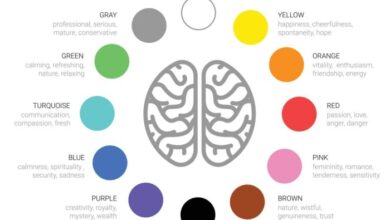
Color psychology studies the effects of colors on human emotions and behavior. Different colors evoke distinct feelings and can significantly influence the atmosphere of a room. For example, warm colors like reds and oranges create a sense of energy and excitement, while cool colors such as blues and greens promote calmness and serenity. Understanding these effects allows you to consciously select colors that support the intended function and feeling of each room.
A vibrant yellow might be perfect for a kitchen, stimulating appetite and energy, while a soothing lavender could be ideal for a bedroom, promoting relaxation and sleep. Neutral colors like beige and gray offer versatility and serve as excellent backdrops for pops of color through accessories and artwork.
Strategic Paint Application for Visual Effects
Paint is one of the most affordable and effective tools for transforming a space. Strategic use of paint can create illusions of space and emphasize architectural features. Light colors, such as whites, creams, and pastels, reflect light and make a room feel larger and brighter. Conversely, darker colors absorb light, creating a cozier and more intimate atmosphere, which can be beneficial in larger spaces.
Painting architectural details, such as molding or crown molding, a contrasting color can draw attention to these features and add visual interest. For instance, painting window frames a darker shade than the walls can make windows appear larger and more prominent.
Maximizing Natural and Artificial Light
Natural light is invaluable in interior design. Maximize it by keeping windows unobstructed, using sheer curtains instead of heavy drapes, and employing reflective surfaces like mirrors to bounce light around the room. Affordable lighting solutions can supplement natural light and create ambiance. Consider using a mix of ambient, task, and accent lighting. Ambient lighting provides overall illumination (e.g., ceiling fixtures), task lighting focuses on specific areas (e.g., desk lamps), and accent lighting highlights features (e.g., picture lights).
Energy-efficient LED bulbs are a cost-effective way to achieve bright and warm lighting.
Color Palette Impact on Room Feel
The following table illustrates how different color palettes influence the atmosphere of a room:
| Color Palette | Mood | Best Room | Example Decor |
|---|---|---|---|
| Warm Neutrals (Beige, Cream, Brown) | Calm, Comfortable, Inviting | Living Room, Bedroom | Natural wood furniture, textured throws, earthy-toned artwork |
| Cool Blues and Greens | Serene, Relaxing, Peaceful | Bathroom, Bedroom | White linens, sea-glass accents, plants |
| Vibrant Yellows and Oranges | Energetic, Cheerful, Stimulating | Kitchen, Dining Room | Brightly colored cookware, patterned rugs, sunny artwork |
| Deep Jewel Tones (Emerald, Sapphire, Ruby) | Luxurious, Sophisticated, Dramatic | Living Room, Dining Room | Velvet upholstery, metallic accents, rich fabrics |
Prioritizing and Planning
Transforming your living space on a budget requires careful planning and prioritization. A well-defined strategy ensures your resources are used effectively, maximizing impact while minimizing costs. This step-by-step guide will help you navigate the process and achieve a stylish, affordable interior.Successful budget interior design hinges on a methodical approach. Failing to plan adequately can lead to wasted resources, impulsive purchases, and ultimately, a less satisfying outcome.
A structured plan allows you to visualize your goals, allocate funds appropriately, and track progress.
A Step-by-Step Guide to Budget-Friendly Interior Design
This structured approach simplifies the process, promoting efficiency and preventing costly oversights. Each step builds upon the previous one, leading to a cohesive and cost-effective design.
- Define Your Style and Needs: Begin by clearly articulating your desired aesthetic. Browse magazines, websites, and social media for inspiration, identifying elements that resonate with you. Simultaneously, assess your practical needs. Consider the functionality of each space and the items essential for daily living.
- Set a Realistic Budget: Determine a specific amount you’re willing to spend. Be realistic and include all potential costs, from materials and tools to professional services (if any). Tracking expenses diligently is crucial. Consider using a spreadsheet or budgeting app.
- Prioritize Needs Versus Wants: Differentiate between essential items (e.g., a comfortable sofa) and desired items (e.g., an ornate chandelier). Focus on meeting your needs first, allocating remaining funds to wants. This ensures the most important elements are addressed within your budget.
- Create a Detailed Plan: Develop a comprehensive plan outlining each step, including materials, quantities, and estimated costs. This detailed plan serves as a roadmap, guiding your decisions and preventing costly mistakes. Include visual aids, such as sketches or mood boards, to visualize the final outcome.
- Source Materials Strategically: Explore various avenues for sourcing materials, such as thrift stores, online marketplaces, and clearance sales. Comparing prices and seeking discounts can significantly reduce expenses. Consider repurposing existing items to further minimize costs.
- Execute the Plan and Monitor Progress: Implement your plan methodically, sticking to your budget and timeline. Regularly review your progress, making adjustments as needed. This ensures you stay on track and avoid exceeding your budget.
Common Mistakes to Avoid When Decorating on a Budget
Avoiding these common pitfalls can save you time, money, and frustration, ultimately leading to a more successful and enjoyable design process.
- Impulsive Buying: Avoid making spontaneous purchases. Stick to your plan and resist the temptation to buy items that don’t align with your budget or design vision. Thorough planning helps prevent impulsive spending.
- Underestimating Costs: Always overestimate costs to account for unexpected expenses. Unexpected issues can arise during any project, and having a buffer helps prevent financial strain. Including a contingency fund is a prudent approach.
- Neglecting Functionality: Prioritize functionality over aesthetics. While aesthetics are important, ensure your design choices support your daily needs. Compromising functionality for aesthetics can lead to dissatisfaction in the long run.
The Importance of Setting a Realistic Budget and Sticking to It
A well-defined budget is the cornerstone of successful budget-friendly interior design. Without a realistic budget, the project is prone to cost overruns and potential financial strain. Sticking to the budget ensures the project remains manageable and achievable. For example, a couple aiming to renovate their kitchen might allocate $5,000. By meticulously tracking expenses and avoiding impulsive purchases, they can successfully complete the project within their budget, achieving a stylish and functional kitchen.
Prioritizing Needs Versus Wants in the Design Process
Differentiating between needs and wants is crucial for effective budget management. Needs are essential items required for functionality and comfort, while wants are desirable but non-essential additions. For instance, a comfortable sofa is a need, providing seating and relaxation. An expensive artwork, while aesthetically pleasing, is a want. By focusing on needs first, you ensure the project’s core requirements are met within your budget, leaving room for carefully selected wants.
Affordable Material Choices
Transforming your living space doesn’t require a king’s ransom. Smart choices in materials can significantly impact the overall aesthetic and cost of your interior design project. By focusing on cost-effective yet stylish options, you can achieve a high-end look without exceeding your budget. This section explores various affordable materials and their applications, helping you make informed decisions for your home.
Flooring Options: Balancing Cost and Aesthetics
Choosing the right flooring is a crucial decision, impacting both the look and feel of a room and the overall project budget. Hardwood flooring, while undeniably beautiful and durable, commands a higher price tag. Laminate flooring offers a more budget-friendly alternative, mimicking the look of hardwood at a fraction of the cost. It’s relatively easy to install and maintain, making it a popular choice for homeowners.
Carpet, particularly in its synthetic varieties, can be the most affordable option, providing warmth and comfort, especially in colder climates. However, it requires more regular cleaning and may not be as durable as laminate or hardwood. The best choice depends on your lifestyle, desired aesthetic, and budget constraints. For example, a high-traffic area might benefit from the durability of laminate, while a bedroom might be perfectly suited to the softness of a budget-friendly carpet.
Affordable Textiles: Enhancing Comfort and Style
Textiles play a vital role in defining the atmosphere and style of a room. Cotton, linen, and microfiber are readily available and offer excellent value. Cotton is a breathable and comfortable natural fiber, perfect for bedding and curtains. Linen, known for its durability and slightly more upscale appearance, can add a touch of elegance without breaking the bank, particularly when used strategically, such as in throw pillows or table runners.
Microfiber, a synthetic option, offers excellent stain resistance and durability, making it a practical choice for upholstery or rugs in high-traffic areas. Consider the durability and maintenance requirements of each fabric when making your selections. For instance, linen might require more careful cleaning than microfiber.
Inexpensive Materials for Unique Design Elements
Numerous readily available and inexpensive materials can be transformed into unique design elements. Reclaimed wood, often found at salvage yards or construction sites, can be repurposed into stunning shelves, headboards, or even coffee tables. Mason jars, easily purchased in bulk, can be used to create unique lighting fixtures or stylish storage solutions. Similarly, repurposed pallets can be transformed into eye-catching wall art or functional furniture pieces.
The possibilities are limited only by your imagination and creativity. The key is to think outside the box and see the potential in everyday items.
Budget-Friendly Materials and Their Applications
Several readily available materials offer excellent value and versatility in interior design. Here are five examples:
- Repurposed Glass Jars: Used as vases, candle holders, or storage containers for small items. A simple coat of paint or some twine can elevate their aesthetic appeal.
- Recycled Pallet Wood: Ideal for creating rustic shelves, headboards, or even a unique coffee table. Sanding and staining can enhance the wood’s natural beauty.
- Plain Cotton Fabric: Versatile for crafting curtains, throw pillows, or even simple rugs. Dyeing or embellishing can add a personal touch.
- Mirror Tiles: Affordable and easy to install, these can create a dramatic effect on a small wall or accent space, enhancing the sense of light and spaciousness.
- Cork Tiles: A natural and eco-friendly option for wall coverings or even flooring in certain areas, offering sound absorption and insulation benefits.