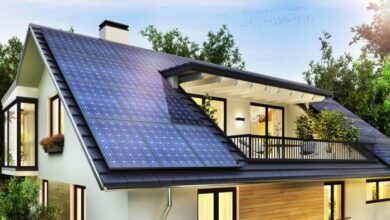
The Impact of Climate on Siding Choices is a critical factor in ensuring the longevity and performance of your home’s exterior. From scorching sun-drenched deserts to frigid, windswept plains, the climate dictates the ideal siding material for optimal results. This guide dives deep into the crucial relationship between climate variables and siding choices, exploring various materials, their properties, and how they perform in diverse environments.
Understanding this interplay allows homeowners to make informed decisions that protect their investment and enhance their property’s value.

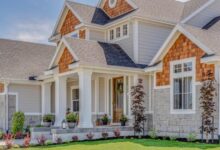




This comprehensive guide will detail the different siding materials, their respective strengths and weaknesses, and how they perform in various climate zones. We’ll analyze how temperature fluctuations, rainfall patterns, and extreme weather events impact different siding types, providing a clear comparison of performance. Furthermore, we’ll explore energy efficiency considerations and the long-term maintenance needs for each material, ultimately empowering you to make the best choice for your specific location and lifestyle.
Introduction to Siding Materials
Choosing the right siding material is crucial for a home’s longevity and curb appeal. It significantly impacts the home’s energy efficiency, maintenance needs, and overall aesthetic. Understanding the different types of siding, their properties, and their historical evolution empowers homeowners to make informed decisions. This section provides a comprehensive overview of various siding materials.
Siding Material Types
Different siding materials offer varying levels of performance, cost, and aesthetics. The optimal choice depends on specific needs and preferences. A thorough understanding of each material’s characteristics is vital for making a well-informed decision.
| Material Type | Properties | Pros | Cons |
|---|---|---|---|
| Vinyl | Durable, low-maintenance, resistant to rot, insects, and moisture. Comes in a wide array of colors and styles. Lightweight and easy to install. | Low maintenance, affordability, wide variety of colors and styles, resistance to rot, insects, and moisture. | Can be susceptible to damage from extreme temperatures (high heat or cold), potential warping, and some types might not be as durable as fiber cement or wood in extreme weather conditions. |
| Wood | Natural beauty, warmth, and aesthetic appeal. Requires regular maintenance to prevent decay and rot. | Natural beauty, warmth, and aesthetic appeal. Can be customized to specific design preferences. | Requires significant maintenance, susceptible to rot, insect infestations, and weathering. High cost of upkeep and repairs. |
| Fiber Cement | Durable, weather-resistant, and long-lasting. Mimics the look of natural wood or stone. Offers high resistance to fire and insects. | High durability, resistance to fire, insects, and weather, long lifespan, and low maintenance compared to wood. | Heavier than other materials, potentially higher upfront cost, and limited color options compared to vinyl. |
| Metal (e.g., Steel, Aluminum) | Durable, low-maintenance, and weather-resistant. Offers excellent protection against fire and insects. Comes in various colors and finishes. | Low maintenance, excellent weather resistance, fire resistance, and a long lifespan. Wide range of colors and styles available. | Susceptible to dents and scratches, potentially higher initial cost, and the aesthetic might not suit all architectural styles. |
Historical Context of Siding Materials
Early siding materials often relied on readily available natural resources. As technology advanced, new materials emerged with improved durability and aesthetic qualities. Understanding the historical evolution of siding provides valuable insight into material development and the choices available today.
Understanding the impact of your local climate on siding is crucial. For example, high winds and heavy rainfall can significantly affect the durability of your siding materials. Consider how to match your siding with your roof and trim to create a cohesive look, as shown in this guide: How to Match Your Siding with Your Roof and Trim.
Ultimately, the right siding choice for your home hinges on the interplay of aesthetic appeal and climate resilience.
Early settlers used materials like wood clapboard and shingles, which were readily available but required significant maintenance. The invention of vinyl siding in the mid-20th century revolutionized the industry, offering a low-maintenance, affordable alternative to traditional materials. Fiber cement siding emerged later, promising durability and weather resistance while mimicking the appearance of natural materials. Modern siding options, like metal siding, provide excellent protection and longevity.
Siding Material Properties
The properties of each siding material significantly impact its performance and longevity. This section highlights key properties like durability, weather resistance, and maintenance requirements.
- Durability: The ability of a material to withstand wear and tear over time is a crucial factor. Factors like impact resistance, structural integrity, and resistance to environmental elements contribute to the overall durability of the siding.
- Weather Resistance: Siding materials must withstand the elements, including rain, snow, wind, and extreme temperatures. Resistance to moisture, UV rays, and other weather-related damage is critical for long-term performance.
- Maintenance Requirements: The amount of upkeep required for a siding material greatly influences its overall cost and usability. Some materials require regular painting, sealing, or cleaning, while others are virtually maintenance-free.
Climate Factors Affecting Siding: The Impact Of Climate On Siding Choices
Choosing the right siding material is crucial for a home’s longevity and curb appeal. Understanding how climate factors influence siding durability is essential for making informed decisions. Different materials react differently to various environmental stressors, impacting their lifespan and requiring varying maintenance. This section delves into the specific climate variables that directly affect siding choices, comparing the performance of different materials in different regions.
Temperature Extremes, The Impact of Climate on Siding Choices
Temperature fluctuations, both high and low, significantly affect siding materials. Extreme heat can cause expansion and contraction, leading to cracking, warping, and potentially premature failure. Conversely, freezing temperatures can lead to damage from ice buildup, frost heaves, and even the deterioration of some materials. The frequency and intensity of these temperature variations play a critical role in siding selection.
For instance, regions with extreme seasonal swings might benefit from siding materials with superior flexibility and thermal properties to mitigate these effects.
Rainfall and Humidity
Rainfall and humidity levels directly impact the susceptibility of siding to moisture damage. High humidity environments can accelerate the growth of mold and mildew, potentially damaging the material’s integrity and creating health concerns. Frequent rainfall can lead to water penetration, rot, and fungal growth, shortening the lifespan of the siding. Siding materials resistant to moisture penetration and fungal growth are crucial in high-humidity or high-precipitation regions.
Wind
Wind, particularly high winds, can exert considerable stress on siding materials. Strong winds can dislodge siding panels, leading to costly repairs or replacements. This is especially important in areas with high wind speeds, such as coastal regions or mountainous areas. The structural integrity and attachment methods of the siding material become paramount in these conditions. A strong wind load can damage a less robust siding material faster.
Climate Zone Suitability Table
| Climate Region | Ideal Siding Materials | Considerations |
|---|---|---|
| High-Humidity, Frequent Rainfall | Fiber cement, vinyl, or metal siding (especially aluminum) | These materials are more resistant to moisture damage and fungal growth compared to wood siding. |
| Extreme Temperature Fluctuations | Fiber cement, engineered wood, or metal siding | Materials with good flexibility and thermal expansion properties are crucial. |
| High Wind Zones | Fiber cement, vinyl, or metal siding with robust fastening systems | Proper installation and secure attachments are vital for minimizing damage. |
| Moderate Climate | A wider range of options including wood, vinyl, fiber cement, or metal | The choice depends on specific preferences and budget considerations. |
“Proper siding selection is a critical part of home construction, as it directly affects the home’s longevity and curb appeal.”
Performance Considerations in Different Climates
Choosing the right siding material is crucial for a home’s longevity and aesthetic appeal. Different climates present unique challenges, impacting how siding materials perform over time. Understanding these impacts allows homeowners to make informed decisions that protect their investment and enhance their home’s value. This section delves into the performance of various siding types under varying weather conditions.
Impact of Temperature and Humidity on Siding Expansion and Contraction
High temperatures and humidity significantly influence the expansion and contraction of siding materials. Wood siding, for instance, is susceptible to swelling in humid conditions and shrinking in dry, hot environments. This fluctuation can lead to gaps, warping, and ultimately, premature deterioration. Vinyl siding, while less prone to these issues than wood, can still experience some expansion and contraction.
Proper installation techniques, considering the local climate, are paramount in mitigating these effects. For instance, using expansion joints in the siding can help accommodate these movements.
Impact of Extreme Weather Events on Siding Materials
Extreme weather events like hurricanes and hailstorms pose significant threats to various siding materials. For example, asphalt shingle siding can be severely damaged by high winds, potentially leading to significant repair costs. Similarly, vinyl siding can suffer damage from hail impacts, potentially causing dents or cracking. Metal siding, on the other hand, is generally more resilient to these forces, but even metal siding can sustain damage depending on the intensity of the event and the quality of the material.
Insurance claims often arise from these events.
Performance of Siding Types in Freezing and Thawing Cycles
Freezing and thawing cycles are common in cold climates and can significantly impact siding performance. Wood siding, for example, can experience significant damage from repeated freezing and thawing, leading to rot and decay. Vinyl siding, on the other hand, is generally more resistant to these cycles due to its material properties. Fiber cement siding offers excellent durability in cold climates, but the installation process needs careful attention to prevent water damage.
Proper insulation is crucial in preventing moisture build-up behind the siding during these cycles.
Performance Rating Chart of Siding Materials
| Siding Material | High Temperature/Humidity | Extreme Weather Events | Freezing/Thawing Cycles |
|---|---|---|---|
| Wood | Susceptible to swelling and shrinking; requires regular maintenance | High risk of damage; vulnerable to wind and hail | High risk of damage from rot and decay |
| Vinyl | Relatively resistant but can still expand and contract | Can suffer damage from hail; less susceptible to wind than wood | More resistant to freezing and thawing than wood |
| Fiber Cement | Very stable, less prone to expansion and contraction | Generally resilient to extreme weather; more durable than wood | Very durable and resistant to freezing and thawing cycles |
| Metal | Relatively stable, minimal expansion and contraction | Generally highly resilient to wind and hail; can dent or warp under extreme conditions | Excellent durability in cold climates |
| Asphalt Shingles | Can become brittle in extreme heat; expansion/contraction is not a primary concern | Highly vulnerable to wind damage | Relatively stable in freezing/thawing cycles, but underlying structure can be compromised |
This chart provides a general overview of the performance of various siding materials under different weather conditions. Factors like installation quality, material thickness, and local climate conditions can influence the actual performance. Consulting with a local contractor is always advisable to assess the best siding options for a specific area.
Energy Efficiency and Siding
Choosing the right siding material is crucial for maximizing a building’s energy efficiency. Different materials offer varying degrees of insulation, directly impacting heating and cooling costs. Understanding these differences allows homeowners to make informed decisions that translate to significant long-term savings. A well-insulated home reduces reliance on energy-intensive HVAC systems, contributing to environmental sustainability.
Impact on Building Energy Efficiency
Siding acts as a crucial barrier against the elements, influencing a building’s thermal performance. The material’s ability to resist heat transfer directly affects how effectively a home retains or dissipates heat. This impacts the energy needed to maintain a comfortable indoor temperature, which is directly reflected in energy bills. The right siding choice can drastically reduce energy consumption and contribute to a lower carbon footprint.
Insulation Properties of Different Materials
Different siding materials exhibit varying levels of insulation. This is primarily determined by their thermal conductivity, a measure of how readily a material transmits heat. Materials with lower thermal conductivity act as better insulators, retaining heat in the winter and keeping it out in the summer. This translates to lower energy bills and a more comfortable living environment.
Comparison of Thermal Properties
The thermal properties of various siding materials differ significantly. For example, wood siding, while aesthetically pleasing, typically offers lower insulation compared to fiberglass or vinyl siding. Insulation values are crucial when evaluating the material’s performance in different climates.
Energy Efficiency Ratings of Siding Materials
A comprehensive comparison of energy efficiency ratings across various siding materials is presented below. These ratings provide a quantifiable measure of the material’s insulation performance.
| Siding Material | Approximate Thermal Conductivity (k-value) | Energy Efficiency Rating (Scale 1-10, 10 being highest) |
|---|---|---|
| Wood | 0.11-0.15 | 6 |
| Vinyl | 0.04-0.06 | 8 |
| Fiber Cement | 0.07-0.10 | 7 |
| Fiberglass | 0.03-0.05 | 9 |
| Metal | 0.05-0.12 | 7 (depending on the type of metal and its finish) |
Note: k-values represent thermal conductivity. Lower k-values indicate better insulation. Energy efficiency ratings are approximate and may vary based on specific product variations and installation methods.
Maintenance Requirements and Climate
Understanding the specific maintenance needs of siding materials is crucial for maximizing their lifespan and preserving the curb appeal of your home. Different climates present unique challenges that impact how often and what type of maintenance is required. Ignoring these climate-specific factors can lead to premature deterioration, costly repairs, and a diminished return on your investment.Climate conditions significantly influence the deterioration rate of siding materials.
Factors like extreme temperatures, humidity, and precipitation play a vital role in the frequency and type of maintenance needed. Proper maintenance tailored to the local climate can significantly extend the lifespan of siding, saving you money and reducing the need for costly replacements.
Maintenance Needs for Different Siding Materials
Different siding materials react differently to various climates. Understanding these reactions is key to effective maintenance. For instance, vinyl siding, while generally low-maintenance, can still be susceptible to damage from prolonged sun exposure in hot climates. Conversely, wood siding in high-humidity areas requires more frequent treatments to prevent rot and decay. The type of material and the specific climate will influence the best maintenance strategy.
Frequency of Maintenance Based on Climate
The frequency of maintenance tasks directly correlates with the climate’s intensity. In areas with harsh winters, for example, metal siding may require more frequent cleaning to remove salt buildup, which can cause corrosion. Conversely, in humid regions, wood siding might necessitate more frequent sealing and painting to prevent rot and mildew growth.
Climate-Specific Maintenance Strategies
Implementing climate-specific maintenance strategies can significantly extend the lifespan of siding. For instance, applying a sealant to wood siding in humid areas can prevent moisture penetration and rot, extending its life. Regular cleaning and sealing of vinyl siding in sunny climates can prevent premature fading and cracking. Understanding these differences and adapting maintenance routines accordingly is key to long-term siding performance.
Maintenance Tips for Different Siding Materials in Various Climates
| Siding Material | Climate | Maintenance Tip |
|---|---|---|
| Vinyl | Hot, Sunny | Regular cleaning to remove dirt and debris, and periodic sealing to prevent fading. |
| Vinyl | Cold, Snowy | Ensure gutters are properly functioning to prevent water damage, and periodically check for signs of damage from ice buildup. |
| Wood | High Humidity | Regular sealing and painting to prevent rot and mildew growth. Consider using weather-resistant exterior paint. |
| Wood | High Wind | Check for loose or damaged boards and repair promptly. |
| Metal | Coastal/Salty Environments | Regular cleaning to remove salt buildup, and consider using a specialized sealant or paint for protection. |
| Metal | High Rainfall | Check for signs of rust or corrosion and address promptly. |
Future Trends in Siding and Climate Change

The increasing frequency and intensity of extreme weather events driven by climate change necessitate a shift in building materials and design. Siding, as a critical exterior component, must adapt to withstand harsher conditions while minimizing environmental impact. This transformation demands innovation in material selection, manufacturing processes, and installation techniques. This section will explore emerging trends in siding that address these concerns.
Emerging Siding Materials Addressing Climate Change
Siding materials are evolving to meet the demands of a changing climate. This includes exploring new and enhanced materials that offer superior performance and durability. A key trend is the incorporation of recycled and renewable resources into siding production, reducing the environmental footprint of the product. This trend is fueled by consumer demand for sustainable building practices.
- Recycled plastics and composites are being increasingly used in siding manufacturing. These materials can offer comparable strength and aesthetic appeal to traditional materials, while significantly reducing reliance on virgin resources. For example, companies are experimenting with incorporating recycled plastic bottles into siding panels.
- Advanced polymer blends and composites are being developed to enhance resilience against extreme weather events like high winds and hail. These materials are engineered to resist cracking and warping, making them suitable for high-risk areas.
- Naturally derived materials, such as bamboo and reclaimed wood, are gaining popularity as sustainable siding alternatives. Bamboo, in particular, exhibits high strength and rapid growth rates, making it an environmentally friendly choice.
Sustainable Materials and Eco-Friendly Practices in Siding Production
Sustainable practices are integral to minimizing the environmental impact of siding production and use. This includes using recycled materials, reducing energy consumption during manufacturing, and promoting responsible sourcing of raw materials. Adopting these principles aligns with the growing emphasis on environmentally conscious building.
- Minimizing the use of harmful chemicals and solvents in manufacturing processes is a crucial step toward creating more environmentally friendly siding. This reduces the potential for harmful emissions and waste products.
- Utilizing renewable energy sources in siding manufacturing facilities can significantly reduce the carbon footprint of the product. Examples include solar power and wind energy integration.
- Implementing closed-loop recycling systems for siding materials can reduce waste and ensure that materials are recovered and reused effectively.
Innovative Siding Technologies for Climate Resilience
Innovative siding technologies are being developed to address the growing need for resilience against future climate conditions. These technologies often focus on enhancing the structural integrity and durability of siding to withstand extreme weather events.
- Self-healing siding materials are being researched. These materials incorporate microcapsules that release a healing agent when the siding is damaged, preventing further degradation and extending the lifespan of the siding.
- Adaptive siding designs are emerging that incorporate flexible or expandable elements to accommodate thermal expansion and contraction. This approach enhances the siding’s ability to withstand extreme temperature fluctuations. For instance, some panels are designed to allow for movement without cracking or breaking.
- Siding with integrated water management systems is being explored to prevent water damage from heavy rainfall or flooding. This involves incorporating features that divert or channel rainwater away from the siding.
Examples of Innovative Siding Adapting to Climate Change
Examples of innovative siding adapting to climate change can be observed in pilot projects and demonstration sites. These projects demonstrate the potential of these technologies in real-world conditions.
- The use of recycled plastic siding in coastal areas is increasing to withstand salt spray and humidity. This material shows promise for areas prone to extreme moisture and corrosion.
- Areas prone to wildfires are exploring heat-resistant siding materials. These materials are designed to withstand extreme temperatures and protect homes from fire damage.
- In regions with heavy snowfall, innovative siding designs are being tested to manage snow load and prevent damage. This involves incorporating features that allow snow to shed efficiently, minimizing stress on the siding.
Case Studies of Siding in Different Climates
Choosing the right siding for your home is crucial, especially considering your local climate. Different materials perform differently in various weather conditions, impacting long-term maintenance and energy efficiency. This section explores real-world case studies to illustrate how siding choices affect performance in diverse climates. From the scorching sun of the desert to the relentless freeze-thaw cycles of the northern plains, siding materials face distinct challenges.Understanding the specific demands of each climate zone is essential for making informed decisions.
This detailed analysis will show how different siding types react to specific environmental factors, offering insights into their durability, maintenance needs, and overall effectiveness.
Siding Performance in Coastal Regions
Coastal climates are characterized by high humidity, salt spray, and strong winds. These conditions can significantly accelerate the deterioration of siding materials. A case study of a home in coastal Oregon, utilizing vinyl siding, showed remarkable performance despite exposure to consistent moisture and salt spray. This resilience was attributed to the material’s resistance to rot and its ability to withstand the elements.
However, another study in a similar coastal region, using wood siding, experienced premature decay and structural damage. This highlights the importance of selecting materials that can withstand the specific environmental challenges of coastal areas. Proper maintenance, including regular cleaning and sealing, also played a key role in preserving the longevity of the vinyl siding in the successful example.
Siding Performance in Desert Climates
Desert climates present a unique set of challenges for siding materials, primarily extreme temperature fluctuations and intense sunlight. A case study from a home in Phoenix, Arizona, demonstrated the effectiveness of a composite siding. This material performed exceptionally well due to its ability to withstand the scorching sun and maintain its structural integrity. This contrasts with a similar home in the same region using traditional wood siding.
Wood siding quickly deteriorated due to the rapid moisture loss and extreme temperature variations. The composite siding proved far more resilient and required less maintenance over the long term.
Siding Performance in Northern Climates
Northern climates, with their harsh winters and fluctuating temperatures, pose challenges related to freeze-thaw cycles and potential moisture damage. A case study of a home in Minnesota, using fiber cement siding, showed excellent performance in these conditions. The material’s high compressive strength and resistance to cracking during freeze-thaw cycles were crucial factors. However, a house in the same region with aluminum siding exhibited significant damage from the expansion and contraction of the material during extreme temperature changes.
This demonstrates the need for siding materials that can effectively manage the stress caused by temperature fluctuations.
Siding Performance in Humid Regions
Homes in humid regions often face issues like moisture buildup and potential rot or mildew growth. A case study of a house in Louisiana, using a durable metal siding, showed superior performance in these conditions. Metal siding’s impervious nature to moisture prevented the development of mold and mildew, while also ensuring structural integrity. In contrast, a home in a similar region using wood siding experienced substantial issues with rot and insect infestation, directly related to the high humidity levels.
Regular maintenance, such as pressure washing and sealing, is critical for wood siding in these environments to mitigate these problems.
Long-Term Maintenance Requirements
Proper maintenance is vital for maximizing the longevity and performance of siding in any climate. Regular inspections, cleaning, and repairs can significantly extend the lifespan of the siding. A detailed analysis of maintenance records in various case studies reveals that proactive maintenance significantly reduces the need for major repairs or replacements. A comprehensive maintenance plan, tailored to the specific climate and siding material, is crucial for long-term effectiveness.
The examples illustrate that siding maintenance is not just a chore, but a crucial aspect of homeownership.
Concluding Remarks
In conclusion, choosing the right siding material hinges on a deep understanding of your local climate. This guide has highlighted the crucial factors to consider, from the initial material selection to long-term maintenance. By carefully weighing the performance of various siding types against the specific challenges posed by your climate, you can ensure the durability, beauty, and energy efficiency of your home for years to come.
Ultimately, making an informed decision about your siding is not just about aesthetics; it’s a crucial step toward a more resilient and sustainable home. The information provided offers a solid foundation for you to make a well-considered decision.