Bathroom Remodel Ideas: Transforming your bathroom from drab to fab is more achievable than you think! This guide explores diverse approaches, from budget-friendly makeovers to the latest modern design trends, empowering you to create the bathroom of your dreams. Whether you’re aiming for a luxurious spa-like retreat or a practical, space-saving solution for a small bathroom, we’ll cover everything from cost-effective strategies and creative storage solutions to innovative fixtures and stylish tile selections.
Prepare to be inspired as we delve into the exciting world of bathroom renovations.



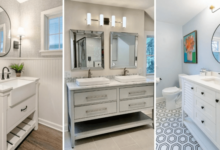

We will cover various aspects of bathroom remodeling, providing detailed plans, cost breakdowns, design inspiration, and practical advice to help you navigate the entire process. From selecting the right materials and fixtures to understanding the intricacies of tile installation, this guide serves as your comprehensive resource for a successful bathroom remodel.
Budget-Friendly Bathroom Remodels
Revitalizing your bathroom doesn’t require a king’s ransom. With careful planning and strategic choices, you can achieve a stunning transformation without breaking the bank. This section explores various budget levels and cost-saving strategies to help you create the bathroom of your dreams.
Budget Bathroom Remodel Plans
Creating a budget-friendly bathroom remodel requires careful consideration of materials and design choices. The following table Artikels three different remodel plans with varying budgets, detailing material choices and estimated costs. These are estimates and actual costs may vary depending on location, labor costs, and specific product choices.
| Budget Level | Material Choices | Estimated Cost | Image Description |
|---|---|---|---|
| Low (Under $2,000) | Existing fixtures (cleaned and repaired where possible), budget-friendly vinyl flooring, a fresh coat of paint (light and bright colors to maximize space), new shower curtain and accessories. | $1,500 – $2,000 (excluding labor if DIY) | A clean, bright bathroom with a simple shower curtain and new vinyl flooring. The walls are painted a light, refreshing color, and the existing fixtures are clean and functional. Minimal changes create a noticeable improvement. |
| Medium ($5,000 – $10,000) | New budget-friendly vanity and toilet, updated lighting fixtures (LED for energy efficiency), mid-range ceramic tile flooring, fresh paint, and new faucets. Consider a semi-custom shower enclosure. | $6,000 – $9,000 (including basic labor) | A bathroom with a new vanity and toilet in a neutral color. The floor is tiled with a classic ceramic tile pattern. The lighting is updated and bright, creating a welcoming atmosphere. The shower enclosure is a modern semi-custom design. |
| High ($10,000+) | High-quality vanity and toilet, custom shower with glass enclosure and high-end tile, upgraded flooring (porcelain or natural stone), designer lighting fixtures, and premium faucets. | $10,000+ (including professional labor) | A luxurious bathroom featuring a custom-designed shower with glass accents and high-end tile work. The vanity and toilet are high-quality and stylish. The flooring is made of elegant porcelain or natural stone. The overall feel is sophisticated and upscale. |
Cost-Saving Strategies for Bathroom Remodels
Implementing several cost-saving strategies can significantly reduce the overall expense without compromising the aesthetic appeal or functionality of your bathroom.
The following strategies offer practical ways to manage your budget effectively:
- Shop Around for Materials: Comparing prices from different suppliers and taking advantage of sales and discounts can save a considerable amount of money.
- DIY Where Possible: Undertaking tasks like painting, minor repairs, and installing fixtures can significantly reduce labor costs. However, always prioritize safety and your skill level.
- Reuse Existing Fixtures: If your existing fixtures are in good condition, refinishing or repainting them can save money compared to purchasing new ones.
- Prioritize Key Upgrades: Focus on the most impactful changes, such as replacing the toilet or vanity, rather than spreading the budget thinly across numerous small upgrades.
- Choose Budget-Friendly Materials: Opting for affordable yet durable materials, such as vinyl flooring or laminate countertops, can reduce costs without sacrificing quality significantly.
Reclaimed and Repurposed Materials
Using reclaimed or repurposed materials presents both advantages and disadvantages in a budget-friendly remodel.
Careful consideration of the pros and cons is crucial for a successful project.
- Pros: Reclaimed materials offer unique character and charm, often at a lower cost than new materials. They also contribute to sustainability by reducing waste and resource consumption. Examples include using antique sinks or repurposed wood for shelving.
- Cons: Sourcing and preparing reclaimed materials can be time-consuming and labor-intensive. Their condition may require extra work and potentially higher costs for repairs or restoration. Finding materials that match your design vision might be challenging. Furthermore, reclaimed materials may not always meet current building codes or safety standards, requiring careful inspection and potential modifications.
Small Bathroom Remodel Ideas
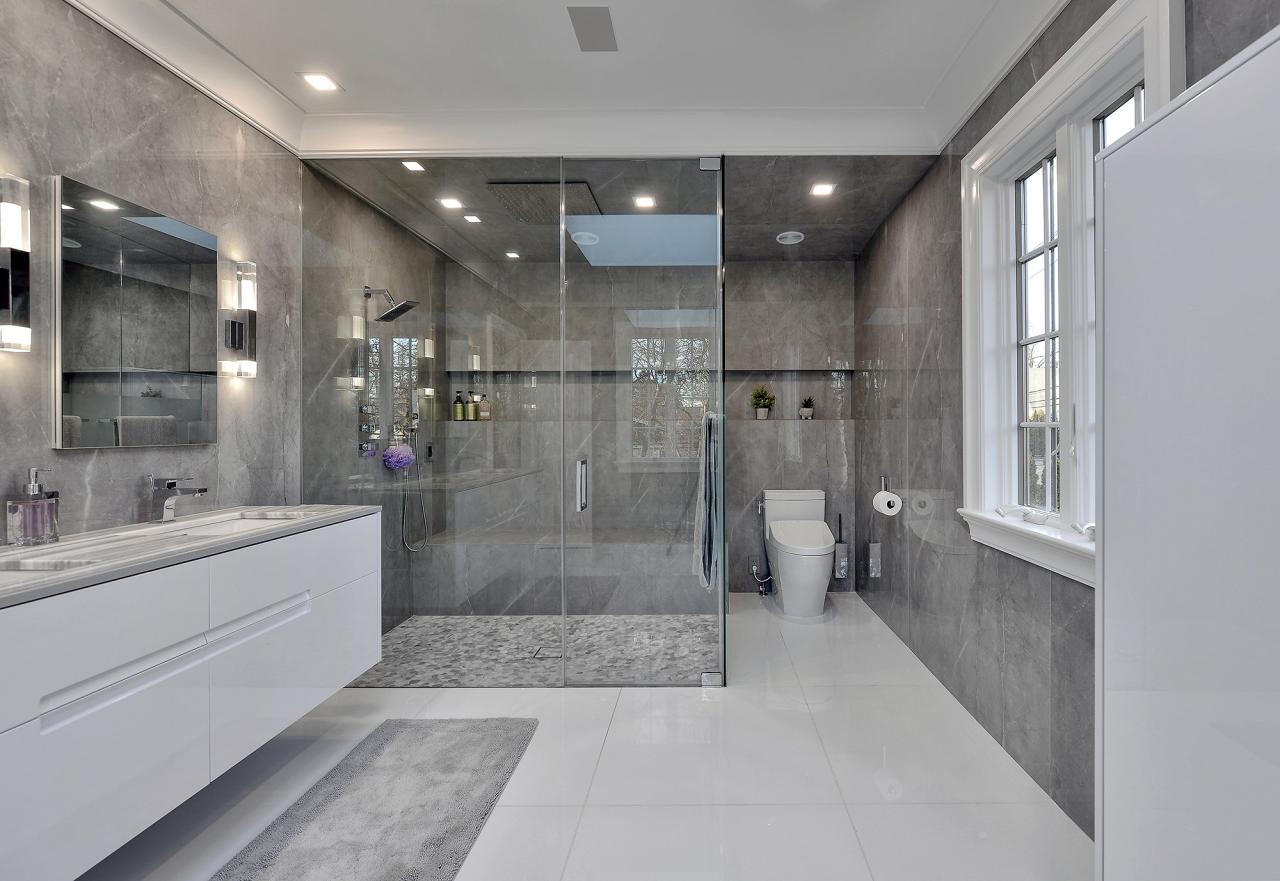
Transforming a small bathroom into a functional and stylish space requires careful planning and creative solutions. By strategically utilizing space and incorporating clever design elements, even the smallest bathroom can feel spacious and luxurious. This section explores practical layout ideas, efficient storage solutions, and diverse shower designs perfect for maximizing the potential of compact bathrooms.
Small Bathroom Layout Maximizing Space and Functionality
Effective space planning is crucial in small bathroom renovations. The following table illustrates a sample layout emphasizing functionality within a limited footprint. Remember that specific dimensions will vary depending on your unique bathroom space.
| Feature | Placement | Material | Image Description |
|---|---|---|---|
| Toilet | Against a wall, ideally near a plumbing vent | Low-profile, space-saving toilet with elongated bowl | A sleek, white, wall-hung toilet with a concealed cistern, giving the illusion of more floor space. The elongated bowl offers improved comfort. |
| Vanity | Opposite the toilet, maximizing counter space | Floating vanity with a narrow profile and integrated sink | A narrow, wall-mounted vanity with a white, integrated sink and a mirror extending the full width. Minimalist design contributes to the feeling of spaciousness. |
| Shower | In the corner to optimize space | Glass enclosure with a walk-in design | A corner shower enclosure with frameless glass doors creating a seamless and visually expansive feel. The clear glass enhances light penetration. |
| Storage | Above the toilet, under the vanity, and in a niche | Recessed shelving, drawers, and mirrored cabinets | A combination of open and closed storage, including recessed shelving above the toilet, drawers under the vanity, and a mirrored cabinet to maximize visual space. |
Creative Storage Solutions for Small Bathrooms, Bathroom Remodel Ideas
Effective storage is paramount in small bathrooms. The following solutions help maximize storage without compromising style or space.
Five creative storage solutions significantly impact the visual appeal and functionality of small bathrooms. Clever design choices can conceal clutter and enhance the overall aesthetic.
- Recessed shelving: Built into the walls, these shelves offer discreet storage without encroaching on floor space. They can be painted to match the wall color for a seamless look.
- Floating shelves: These offer a visually lightweight solution, ideal for towels, toiletries, or decorative items. They can be installed at various heights to maximize vertical space.
- Ladder shelving: A stylish and space-saving option, ladder shelving provides vertical storage for towels and other items. It adds a touch of rustic charm to the bathroom.
- Under-sink organizers: These maximize the often-wasted space under the vanity. Drawers and pull-out shelves provide easy access to cleaning supplies and toiletries.
- Mirrored cabinets: These offer storage while also visually expanding the space. The reflective surface helps to bounce light around the room, creating a brighter and more airy feel.
Comparison of Shower Designs for Small Bathrooms
Choosing the right shower design is crucial for maximizing space and aesthetics in a small bathroom. Three popular options offer distinct advantages and disadvantages.
Three shower designs are compared below, highlighting their space efficiency and aesthetic impact. The optimal choice depends on personal preferences and the specific dimensions of the bathroom.
- Walk-in shower: These offer a seamless and spacious feel, especially when using frameless glass enclosures. However, they require more floor space than other options.
- Corner shower: These utilize a corner space effectively, minimizing the footprint. They can be designed with a variety of features, such as built-in seating or shelves.
- Sliding-door shower: These are ideal for extremely small bathrooms as they require minimal swing space. However, they can sometimes feel less luxurious than other options.
Modern Bathroom Design Trends: Bathroom Remodel Ideas
Modern bathroom design is constantly evolving, reflecting broader architectural and interior design trends while prioritizing functionality and personal style. This section will explore five key trends shaping contemporary bathroom aesthetics and their practical implications for homeowners. These trends move beyond mere visual appeal, incorporating elements of sustainability, technology integration, and accessibility.
Five Current Modern Bathroom Design Trends
Modern bathroom design trends are characterized by a move towards clean lines, sustainable materials, and personalized spaces that reflect individual tastes. The following five trends represent the forefront of this evolution.
- Biophilic Design: Incorporating natural elements like plants, natural light, and natural materials (wood, stone) creates a calming and restorative atmosphere. The aesthetic appeal lies in the connection to nature, reducing stress and promoting well-being. Practically, this can involve strategically placed windows, indoor plants, and the use of natural stone tiles or wooden vanities.
- Smart Technology Integration: Smart toilets, voice-activated lighting, and heated floors enhance convenience and efficiency. The aesthetic appeal stems from a seamless integration of technology, creating a futuristic yet user-friendly environment. Practically, smart technology offers energy savings, water conservation, and personalized comfort settings.
- Minimalist Aesthetics: Clean lines, neutral color palettes, and a focus on functionality define this trend. The aesthetic appeal lies in its simplicity and elegance, creating a sense of calm and spaciousness. Practically, minimalism reduces clutter and maximizes space, particularly beneficial in smaller bathrooms.
- Statement Fixtures: Bold, sculptural faucets, freestanding tubs, and eye-catching vanities add personality and visual interest. The aesthetic appeal is derived from the unique design and high-quality materials of these fixtures, becoming focal points within the bathroom. Practically, these fixtures can significantly elevate the overall look and feel of the bathroom, enhancing its luxury.
- Sustainable Materials: Eco-friendly materials like reclaimed wood, recycled glass, and sustainably sourced stone reflect a growing awareness of environmental responsibility. The aesthetic appeal comes from the natural beauty and unique character of these materials, aligning with current ethical and sustainable design principles. Practically, using sustainable materials reduces the environmental impact of the remodel and contributes to a healthier living space.
Modern Bathroom Mood Boards
The following mood boards illustrate three distinct modern bathroom styles, showcasing diverse color palettes, materials, and fixture choices.
Minimalist Bathroom:
- Color Palette: Neutral tones such as off-white, light grey, and beige, accented with a single bold color like deep teal or charcoal.
- Materials: Matte white porcelain tiles, natural oak vanity, concrete countertop.
- Fixtures: Sleek, minimalist faucet, wall-mounted toilet, recessed lighting.
Industrial Bathroom:
- Color Palette: Dark greys, blacks, and metallic accents like copper or brass.
- Materials: Exposed brick or concrete walls, dark metal fixtures, reclaimed wood shelving.
- Fixtures: Industrial-style faucet with exposed pipes, vintage-inspired sink, pendant lighting.
Spa-Like Bathroom:
- Color Palette: Soft greens, blues, and creams, creating a calming and serene atmosphere.
- Materials: Natural stone tiles (marble or travertine), bamboo accents, plush towels.
- Fixtures: Freestanding soaking tub, rainfall showerhead, dimmable lighting.
Modern Bathroom with Smart Home Technology
A modern bathroom can be enhanced significantly by integrating smart home technology, creating a sophisticated and convenient space.
This design incorporates:
- Smart Toilet: A toilet with features such as heated seats, automatic flushing, and bidet functionality, controlled via a remote or app.
- Voice-Activated Lighting: Smart lighting allows for hands-free control of bathroom lighting, adjusting brightness and color temperature based on preference or time of day.
- Smart Shower System: A system that allows for pre-programmed shower settings, temperature control, and water conservation features, all managed through an app.
- Heated Floors: Underfloor heating provides comfortable warmth, especially during colder months, and can be controlled via a smart thermostat.
- Smart Mirror: A mirror with integrated features such as a clock, weather display, and even a built-in speaker for music or podcasts.
These technologies are seamlessly integrated into the design through discreet placement of controls and the use of aesthetically pleasing devices that complement the overall style of the bathroom.
Bathroom Lighting and Fixtures
Effective bathroom lighting and thoughtfully chosen fixtures are crucial for creating a functional and aesthetically pleasing space. The right combination can dramatically enhance the overall mood and usability of your bathroom, transforming it from a purely utilitarian room into a relaxing sanctuary or a vibrant, modern hub. This section will explore various lighting schemes and innovative fixtures to help you achieve your desired bathroom ambiance.
Bathroom Lighting Schemes: Ambient, Task, and Accent Lighting
Different lighting schemes cater to different needs within a bathroom. Ambient lighting provides overall illumination, task lighting focuses on specific areas requiring detailed work, and accent lighting highlights architectural features or decorative elements. A well-balanced approach, integrating all three, usually results in the most versatile and comfortable bathroom lighting.Ambient lighting, typically provided by recessed ceiling lights or a central chandelier, creates a general, soft glow.
This sets the overall mood and ensures safe navigation within the space. A soft, warm white light is usually preferred for a relaxing atmosphere, while brighter, cooler tones can create a more invigorating feel. Task lighting, on the other hand, is focused and bright. Examples include vanity lights above mirrors, providing clear illumination for makeup application or shaving.
These lights should be bright enough to eliminate shadows and provide clear visibility. Finally, accent lighting uses strategically placed lights to highlight specific features. This could involve backlighting a mirror, using spotlights to illuminate artwork, or employing LED strip lighting beneath cabinets to add a subtle, modern touch. The interplay of these three types of lighting creates depth and visual interest, impacting the mood and functionality of the bathroom significantly.
Innovative Bathroom Fixtures
The modern bathroom offers a range of innovative fixtures designed to enhance both functionality and aesthetics. These advancements go beyond the traditional toilet, sink, and shower, integrating smart technology and design innovations.
- Smart Toilets: These toilets often feature heated seats, automatic flushing, and even built-in bidets. The benefits include enhanced comfort and hygiene, while potential drawbacks could include higher initial cost and potential reliance on electricity.
- Touchless Faucets: Activated by sensors, these faucets minimize water waste and improve hygiene by eliminating the need to touch the faucet handle. Benefits include reduced water consumption and improved cleanliness, but potential drawbacks include occasional sensor malfunctions and the need for batteries or a power source.
- Rainfall Showerheads: These large showerheads provide a luxurious, immersive showering experience. The benefits include a more relaxing and invigorating shower, but potential drawbacks could be higher water consumption compared to standard showerheads and potentially higher installation costs.
- Smart Mirrors: These mirrors integrate technology such as built-in speakers, lighting controls, and even screens for displaying information or playing music. The benefits include convenience and a modern aesthetic, but drawbacks include a higher price point and potential issues with technology integration.
- Heated Towel Racks: These racks gently warm towels, providing a luxurious touch and preventing damp towels from harboring bacteria. The benefits include enhanced comfort and hygiene, while a potential drawback is the additional energy consumption.
Bathroom Aesthetic: Lighting and Materials
The choice of lighting fixtures and materials significantly influences the overall aesthetic of a bathroom. Three distinct styles are presented below, illustrating the impact of these elements.
- Modern Minimalist: This style features clean lines, simple shapes, and a neutral color palette. Recessed lighting with cool-toned LEDs provides even illumination, while a sleek, chrome-finished faucet and a frameless glass shower enclosure reinforce the minimalist aesthetic. The materials would primarily be matte white tiles, concrete, and polished chrome or brushed nickel fixtures. The overall feel is one of sophistication and simplicity.
- Traditional Classic: This style employs ornate details, warm lighting, and natural materials. A crystal chandelier provides ambient lighting, while wall-mounted sconces flanking a vanity mirror offer task lighting. Materials such as marble, porcelain, and brass fixtures create a sense of elegance and timelessness. The overall feel is rich, luxurious, and inviting.
- Rustic Farmhouse: This style utilizes natural textures and materials, creating a cozy and inviting atmosphere. Pendant lights with exposed bulbs provide warm, ambient lighting, while integrated LED strips under cabinets offer functional task lighting. The materials might include reclaimed wood, natural stone, and aged brass or copper fixtures. The overall feel is warm, inviting, and comfortable.
Bathroom Tile Selection and Installation
Choosing the right tiles and installing them correctly is crucial for a successful bathroom remodel. The selection process involves considering material properties, aesthetic preferences, and budget, while installation requires careful planning and execution to ensure a durable and visually appealing finish. This section will guide you through the process, covering tile material selection, layout patterns, and installation techniques.
Tile Material Comparison
Selecting the appropriate tile material depends on factors like durability, maintenance, and budget. The following table compares ceramic, porcelain, and natural stone tiles, highlighting their advantages and disadvantages.
| Material | Pros | Cons | Installation Considerations |
|---|---|---|---|
| Ceramic | Affordable, wide variety of colors and styles, relatively easy to install. | Less durable than porcelain, more porous (requires sealing), can chip or crack more easily. | Requires proper sealing before grouting. Suitable for walls and floors in areas with less moisture exposure. |
| Porcelain | Durable, water-resistant, stain-resistant, wide variety of styles and sizes. | More expensive than ceramic, can be more difficult to cut and install. | Can be used in high-moisture areas like showers and floors. Requires precise cutting for intricate designs. |
| Natural Stone (Marble, Granite, etc.) | Luxurious appearance, unique veining and patterns, durable (depending on the type of stone). | Expensive, requires sealing to protect against staining and water damage, can be prone to etching (especially marble), requires specialized cleaning products. | Requires experienced installers due to its weight and fragility. Careful handling and cutting are essential. Sealing is crucial for longevity. |
Tile Layout Patterns
The choice of tile layout significantly impacts the visual appeal of your bathroom. Three popular patterns are described below:
Different tile layout patterns can create distinct visual effects. For example, a herringbone pattern adds a classic, sophisticated feel, while a subway tile layout provides a clean, contemporary look. A basketweave pattern offers a more textured and intricate appearance.
- Herringbone: This classic pattern uses rectangular tiles arranged in a zig-zag pattern, creating a visually interesting and dynamic effect. Installation is moderately complex, requiring precise cuts and careful planning to maintain alignment.
- Subway: This simple yet elegant pattern uses rectangular tiles laid in a running bond pattern (offsetting each row). It’s easy to install and provides a clean, timeless look, suitable for both walls and floors.
- Basketweave: This pattern uses rectangular tiles arranged in a woven pattern, creating a textured and visually appealing surface. Installation is more complex than subway tile but less so than herringbone, requiring careful planning and precise cuts.
Bathroom Tile Installation Guide
Proper installation is key to a long-lasting and beautiful tiled bathroom. Follow these steps for a successful installation:
Successful tile installation involves careful preparation, precise measurements, and meticulous execution. Using the correct tools and following a step-by-step process is essential for achieving a professional finish. Remember to always consult with a professional if you are unsure about any step.
- Preparation: Clean and level the surface. Apply a waterproofing membrane to shower areas.
- Layout: Dry-lay the tiles to plan the layout and ensure proper spacing and cuts.
- Thin-set Application: Apply thin-set mortar to the substrate using a notched trowel.
- Tile Placement: Firmly press the tiles into the mortar, ensuring proper spacing.
- Grouting: Apply grout to the spaces between the tiles, removing excess grout with a damp sponge.
- Sealing: Seal the grout to protect it from water damage and staining.
- Caulking: Apply caulk to the edges and corners to seal against moisture.
Necessary tools include a notched trowel, tile cutter or wet saw, level, measuring tape, grout float, sponge, and caulk gun. Always wear safety glasses and gloves during installation.