Blending Nature and Luxury: The Rise of Biophilic Interior Design signifies a powerful shift in architectural and interior design philosophies. This approach transcends mere aesthetics, prioritizing the integration of natural elements to foster well-being and enhance the human experience within built environments. By thoughtfully incorporating natural light, ventilation, sustainable materials, and biophilic design principles, architects and designers are creating spaces that are not only visually stunning but also promote physical and mental health, productivity, and a deeper connection with the natural world.
This exploration delves into the core tenets of biophilic design, examining its synergistic relationship with luxury and exploring its transformative impact on residential and commercial spaces.




Defining Biophilic Design
Biophilic design is more than just adding a few plants to an interior space; it’s a holistic approach to architecture and interior design that seeks to connect occupants with the natural world. This connection is believed to profoundly impact human well-being, fostering a sense of calm, reducing stress, and boosting creativity and productivity. The core principle is to integrate natural elements and processes into the built environment in a way that is both aesthetically pleasing and functionally beneficial.Biophilic design acknowledges the innate human affinity for nature, a deep-seated connection developed over millennia of evolution.
By incorporating natural elements, we tap into this inherent preference, creating spaces that resonate with our biological and psychological needs. This approach contrasts sharply with traditional design styles that often prioritize purely aesthetic considerations, sometimes at the expense of occupant well-being.
Core Principles of Biophilic Design and Well-being, Blending Nature and Luxury: The Rise of Biophilic Interior Design
Biophilic design operates on several key principles, all aimed at enhancing human well-being. These principles include maximizing natural light exposure, incorporating natural ventilation, using natural materials, and creating visual connections with nature. Studies have shown that exposure to natural light can improve mood, regulate sleep cycles, and boost vitamin D levels. Similarly, natural ventilation improves air quality, reducing the prevalence of sick building syndrome and promoting a sense of freshness and vitality.
The use of natural materials, such as wood, stone, and bamboo, creates a tactile and sensory experience that is calming and grounding. Visual connections with nature, such as views of greenery or water features, offer a respite from the built environment and reduce stress.
Key Elements of Biophilic Design
Several key elements are crucial for successful biophilic design implementation. Natural light is paramount, with large windows and skylights maximizing daylight penetration. Natural ventilation, achieved through strategically placed windows and operable vents, ensures a constant supply of fresh air. The selection of natural materials is vital; wood, stone, and other organic materials create a warm and inviting atmosphere.
Furthermore, the incorporation of plants, water features, and natural textures introduces visual and sensory stimulation, promoting a connection with the natural world. Finally, the integration of natural patterns and forms, such as organic shapes and fractal patterns, adds to the overall aesthetic and contributes to a sense of harmony.
Biophilic Design vs. Traditional Interior Design
Biophilic design differs significantly from many traditional interior design styles. While traditional styles often focus on aesthetics and trends, sometimes prioritizing artificial materials and limited natural light, biophilic design prioritizes occupant well-being and a connection with nature. Traditional styles might emphasize symmetry and geometric precision, whereas biophilic design often embraces asymmetry and organic forms. While traditional styles may utilize artificial lighting extensively, biophilic design maximizes natural light and emphasizes the importance of natural ventilation.
The use of synthetic materials is common in traditional design, while biophilic design favors natural, sustainable materials.
Biophilic Design Elements and Their Benefits
| Element | Benefit | Example | Impact on Well-being |
|---|---|---|---|
| Natural Light | Improved mood, regulated sleep, increased vitamin D | Large windows, skylights | Reduced stress, increased energy levels |
| Natural Ventilation | Improved air quality, reduced sick building syndrome | Operable windows, strategically placed vents | Improved respiratory health, enhanced comfort |
| Natural Materials | Tactile sensory experience, calming atmosphere | Wood flooring, stone countertops, bamboo accents | Reduced stress, increased sense of comfort |
| Indoor Plants | Improved air quality, reduced stress, increased productivity | Variety of plant species, strategically placed | Enhanced mood, improved focus |
Luxury and Biophilic Design
The convergence of luxury and biophilic design represents a significant shift in high-end interior spaces. It’s a move beyond mere aesthetics, embracing a holistic approach that prioritizes well-being and sustainability while maintaining the opulence expected in luxury settings. This synergistic approach recognizes the inherent value of natural elements and integrates them seamlessly into sophisticated environments, creating spaces that are both visually stunning and profoundly restorative.Luxury brands are increasingly recognizing the appeal of biophilic design, understanding that it resonates with a discerning clientele seeking experiences that transcend material possessions.
It offers a unique selling proposition, aligning with a growing consumer demand for ethical and sustainable luxury. This trend reflects a broader societal shift towards mindful living and a deeper appreciation for the restorative power of nature.
High-End Materials in Biophilic Design
The integration of biophilic principles into luxury interiors necessitates the careful selection of materials. High-end options that align with these principles emphasize sustainability, durability, and natural beauty. This commitment extends beyond simply using natural materials; it encompasses responsible sourcing and minimal environmental impact throughout the production process.
- Sustainable Wood: Reclaimed wood, sustainably harvested hardwoods like teak or walnut, and responsibly sourced bamboo offer rich textures and visual warmth. These materials possess inherent beauty and contribute to a sense of history and craftsmanship.
- Natural Stone: Marble, granite, and limestone, when sourced responsibly, bring an element of timeless elegance and durability. Their natural variations in color and texture add a unique character to the space, reflecting the beauty of the natural world.
- Organic Textiles: Linens, cottons, and silks grown using organic farming methods provide luxurious textures and contribute to a healthier indoor environment. Their breathability and natural fibers enhance comfort and air quality.
Technology Enhancing the Biophilic Experience
Technology plays a crucial role in enhancing the biophilic experience within luxury settings, allowing for precise control and optimization of natural elements. Smart home systems can seamlessly integrate with biophilic design features to create a truly immersive and personalized environment.
- Smart Lighting Systems: These systems allow for dynamic control of natural and artificial light, mimicking the changing patterns of sunlight throughout the day. This helps regulate circadian rhythms and promotes a sense of well-being.
- Automated Ventilation and Climate Control: Smart systems can optimize airflow and temperature, maintaining ideal conditions that support both comfort and the health of indoor plants. This ensures a consistently pleasant and refreshing environment.
- Interactive Green Walls and Living Features: Technology can facilitate the maintenance and control of living walls and other integrated greenery, ensuring their optimal health and aesthetic appeal. This could include automated watering systems and environmental monitoring.
Conceptual Luxury Living Room
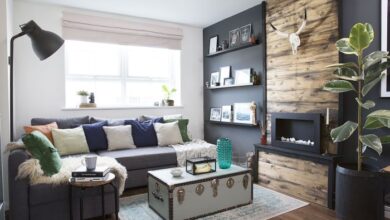
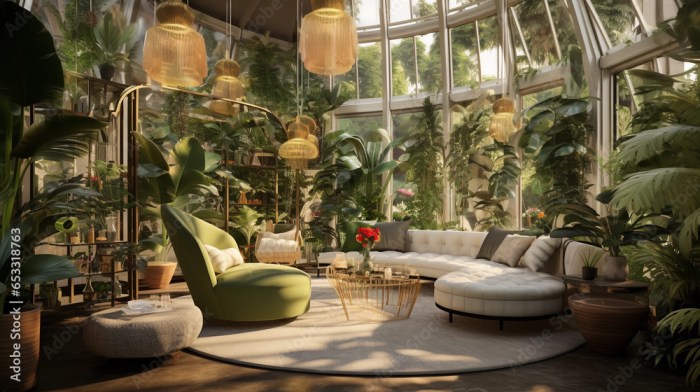
Imagine a spacious living room bathed in soft, natural light filtered through sheer linen curtains. The floor is composed of wide planks of reclaimed oak, showcasing the unique character of the wood’s grain and patination. A large, bespoke sofa upholstered in organic linen sits centrally, facing a focal point: a living wall featuring a curated selection of air-purifying plants, subtly illuminated by integrated LED lighting.
A natural stone fireplace, crafted from ethically sourced marble, provides a comforting warmth and visual anchor. Subtle, strategically placed speakers integrate seamlessly into the architecture, providing high-fidelity audio without disrupting the serene ambiance. Large windows offer expansive views of a private garden, blurring the lines between indoor and outdoor spaces. The overall effect is one of understated elegance and tranquil sophistication, a sanctuary where luxury and nature coexist in perfect harmony.
The Psychological and Physiological Benefits
Biophilic design, the intentional incorporation of natural elements into built environments, offers a wealth of psychological and physiological benefits. Research consistently demonstrates a positive correlation between exposure to nature and improved well-being, impacting mood, stress levels, and even cognitive function. By understanding these benefits, we can appreciate the transformative power of biophilic design in creating healthier and more productive spaces.Biophilic design’s positive impact stems from our innate connection to nature, a connection deeply rooted in our evolutionary history.
Exposure to natural light, plants, water features, and natural materials triggers positive physiological and psychological responses, reducing stress hormones and promoting relaxation. This influence extends beyond mere aesthetics, impacting our overall health and productivity in measurable ways.
Improved Mood and Reduced Stress Levels
Studies have shown a significant reduction in stress hormones like cortisol in individuals exposed to biophilic design elements. For example, research conducted in hospitals demonstrated that patients recovering in rooms with natural views experienced faster recovery times and required less pain medication compared to those in rooms without such views. The presence of plants, natural light, and calming colors contributes to a sense of peace and tranquility, counteracting the stressful effects of confined indoor environments.
This reduction in stress translates to improved mood and a greater sense of overall well-being.
Enhanced Cognitive Function and Creativity
The incorporation of natural elements into indoor spaces has been linked to improvements in cognitive function and creativity. Exposure to natural light, for instance, regulates our circadian rhythm, improving sleep quality and alertness, both crucial for optimal cognitive performance. The presence of plants has been shown to improve concentration and attention span, reducing mental fatigue. Furthermore, studies suggest that natural environments stimulate creativity by encouraging a more relaxed and open mental state, conducive to innovative thinking.
The visual stimulation provided by natural textures and patterns can also stimulate the brain and promote a more dynamic cognitive process.
Measurable Benefits of Biophilic Design
The benefits of biophilic design extend beyond subjective feelings; they are measurable and demonstrable.
- Reduced stress and anxiety: Studies show lower cortisol levels and improved self-reported stress levels in environments with biophilic design features.
- Increased productivity and focus: Improved concentration and attention span lead to higher productivity in workspaces incorporating natural elements.
- Faster recovery times (healthcare settings): Patients in rooms with natural views recover faster and require less medication.
- Improved air quality: Plants help filter indoor air, reducing pollutants and improving respiratory health.
- Enhanced mood and well-being: A more positive and calming environment contributes to a greater sense of overall well-being.
The integration of natural elements demonstrably enhances the quality of life within both residential and commercial settings. These quantifiable improvements underscore the importance of biophilic design in creating spaces that promote both physical and mental health.
Contribution to Calm and Well-being
Biophilic design fosters a sense of calm and well-being through various mechanisms. The calming effect of natural light, the soothing sounds of a water feature, the visual appeal of plants, and the tactile experience of natural materials all contribute to a more relaxed and peaceful atmosphere. This sense of connection with nature reduces feelings of isolation and promotes a feeling of being grounded and centered, leading to improved mental and emotional health.
The design choices, carefully considered to mimic natural patterns and rhythms, actively promote a state of equilibrium and reduce the negative impacts of stress and anxiety frequently associated with modern living.
Practical Applications and Case Studies: Blending Nature And Luxury: The Rise Of Biophilic Interior Design
Biophilic design is not merely a trend; it’s a powerful approach to creating healthier, more productive, and aesthetically pleasing environments. Successful implementation requires careful consideration of the specific space, its function, and the desired aesthetic. This section explores practical applications and case studies illustrating the successful integration of nature and luxury in both residential and commercial settings.
Integrating natural elements into interior design requires a nuanced approach, varying significantly depending on the room’s function and the overall design concept. The strategies for incorporating biophilic principles in a bedroom differ substantially from those employed in a bustling office environment. Similarly, the materials and spatial planning will change depending on whether the project is a luxurious penthouse apartment or a high-end corporate headquarters.
Biophilic Design in Different Room Types
Residential and commercial spaces present unique challenges and opportunities for biophilic design. Bedrooms, for instance, benefit from calming natural elements like soft lighting, natural materials (such as wood and linen), and plants known for their air-purifying qualities, promoting relaxation and better sleep. Kitchens, often the heart of the home, can incorporate natural stone countertops, wooden cabinetry, and herbs grown in window boxes, fostering a connection to nature while maintaining functionality.
Offices, on the other hand, require a balance between stimulating natural elements and functional workspace design. This might include living walls, natural light maximization, and the strategic placement of plants to improve air quality and reduce stress levels. The key is to carefully select elements that complement the room’s purpose and enhance its overall atmosphere.
Case Study: The Serene Sanctuary
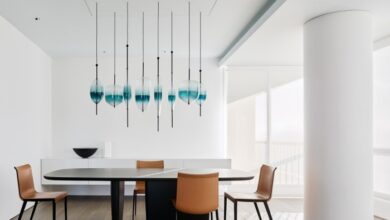
This project, a luxury penthouse apartment overlooking Central Park in New York City, exemplifies the seamless fusion of nature and luxury. The design concept centers around the breathtaking views, incorporating them into the living space through expansive windows and strategically placed mirrors. Natural materials such as reclaimed oak flooring, marble countertops sourced from ethically responsible quarries in Italy, and handwoven wool rugs from Nepal dominate the interior.
A living wall featuring locally sourced, low-maintenance plants acts as a vibrant, natural partition between the living area and dining area. The color palette is inspired by the surrounding park, featuring muted greens, soft browns, and calming blues. Careful attention was paid to lighting, using a combination of natural daylight and strategically placed LED lights to mimic the changing light of the day.
The overall effect is a tranquil and luxurious space that fosters a deep connection with nature.
Sustainable and Ethical Material Selection
Choosing sustainable and ethically sourced materials is paramount to creating a truly biophilic design. This involves investigating the origins of materials, considering their environmental impact throughout their lifecycle, and supporting businesses committed to responsible sourcing. For instance, reclaimed wood reduces the demand for newly harvested timber, while sustainably harvested bamboo offers a rapidly renewable alternative. Similarly, choosing locally sourced stone reduces transportation emissions, minimizing the project’s carbon footprint.
Working with certified suppliers ensures that materials meet rigorous environmental and social standards, promoting transparency and accountability. The process involves thorough research, collaboration with suppliers, and a commitment to prioritizing environmental responsibility throughout the design and construction phases. This approach not only enhances the project’s sustainability but also adds a layer of authenticity and integrity to the overall design.
The Future of Biophilic Luxury Design
Biophilic design, the conscious incorporation of nature into built environments, is poised for significant evolution within the luxury sector. The future will see a sophisticated blending of technological advancements, sustainable practices, and a deeper understanding of human-nature interactions, pushing the boundaries of what constitutes luxurious and healthy living spaces. This evolution will be driven by both consumer demand for wellness-centric environments and the increasing urgency to mitigate the environmental impact of construction and building operation.
Emerging Trends and Innovations
Several key trends are shaping the future of biophilic luxury design. Firstly, we can expect to see a rise in personalized, dynamic biophilic systems. This involves integrating smart technology to control and optimize environmental factors such as air quality, light, and temperature, adapting to individual preferences and creating a truly bespoke experience. Secondly, the use of advanced materials with enhanced biophilic properties will become increasingly prevalent.
This includes bio-based materials like mycelium composites, which offer sustainable and aesthetically pleasing alternatives to traditional building materials, and self-healing materials that extend the lifespan of structures and reduce waste. Thirdly, a greater emphasis will be placed on creating immersive biophilic experiences. This could involve the use of virtual and augmented reality to simulate natural environments within indoor spaces, particularly in locations where access to natural light or outdoor space is limited.
Finally, the integration of vertical farming and hydroponic systems within luxury residences will become more common, allowing for the cultivation of fresh produce and the creation of vibrant indoor gardens.
Challenges in Large-Scale Implementation
While the benefits of biophilic design are undeniable, scaling its implementation presents several challenges. Cost remains a significant barrier, as the incorporation of natural elements and advanced technologies can significantly increase the initial investment. Furthermore, the maintenance and upkeep of complex biophilic systems require specialized expertise and ongoing management, which can add to the overall cost. The availability of sustainable and bio-based materials, while increasing, still lags behind the demand in many regions, creating logistical hurdles and potentially impacting the aesthetic consistency of large-scale projects.
Finally, achieving true integration between technology and nature requires careful planning and execution to prevent a sterile or artificial feel, ensuring that the technology complements, rather than overshadows, the natural elements. The successful large-scale implementation will necessitate innovative financing models, streamlined supply chains, and skilled professionals trained in both design and technology integration.
The Role of Technology
Technology plays a crucial role in shaping the future of biophilic design, offering both opportunities and challenges. Smart building management systems will be instrumental in optimizing energy efficiency and resource consumption, allowing for the creation of truly sustainable luxury spaces. For example, intelligent lighting systems can adjust the intensity and color temperature of lighting to mimic natural daylight cycles, promoting circadian rhythm and well-being.
Sensors monitoring air quality and humidity levels can automatically adjust ventilation systems, creating a healthy and comfortable indoor environment. Furthermore, technology enables the creation of innovative biophilic features, such as interactive digital displays showcasing nature scenes or virtual reality experiences that immerse users in natural environments. However, the responsible and ethical use of technology is paramount. Balancing the benefits of automation with the preservation of a genuine connection to nature will be crucial in preventing a technologically-driven disconnect from the natural world.
A Vision of Future Biophilic Luxury Space
Imagine a penthouse apartment nestled within a high-rise building, boasting expansive views of a cityscape. The interior is a harmonious blend of natural and technological elements. Walls are clad in sustainably sourced, light-colored wood, complemented by living walls featuring a diverse range of native plants carefully selected for their air-purifying qualities. A central atrium, flooded with natural light, houses a small hydroponic garden, providing fresh herbs and vegetables.
Smart sensors seamlessly integrate with the building’s systems, adjusting lighting, temperature, and ventilation to optimize comfort and well-being. A virtual reality system allows residents to experience immersive nature simulations, from a tropical rainforest to a serene mountain landscape, enhancing the biophilic experience even further. The floor is made of polished concrete, incorporating embedded heating and cooling systems for energy efficiency.
Reclaimed materials are used throughout, reflecting a commitment to sustainable practices. The overall design emphasizes a sense of calm, tranquility, and connection with the natural world, enhanced by carefully curated natural soundscapes and subtle ambient lighting. The space seamlessly integrates technology to support and enhance the biophilic experience, rather than dominating it.