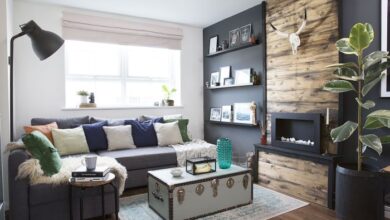
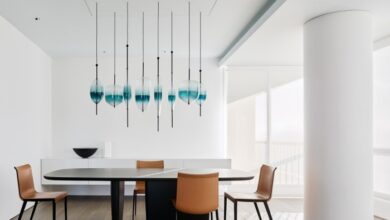
Color Psychology in Interior Design: Creating the Perfect Mood for Every Room—this exploration delves into the fascinating world where hues and shades meet emotional responses. We’ll uncover how strategic color choices can transform spaces, fostering tranquility in bedrooms, invigorating energy in kitchens, and promoting focus in home offices. Understanding the psychology behind color selection empowers us to craft interiors that not only look stunning but also resonate deeply with our emotional well-being.
From the basics of color theory and its historical application in design to the nuanced impact of light and cultural preferences, we’ll navigate the multifaceted aspects of using color to curate the perfect atmosphere. We’ll examine specific examples of color palettes for various rooms, providing practical guidance for creating harmonious and emotionally resonant living spaces.


Introduction to Color Psychology in Interior Design
Color psychology, the study of how colors affect human behavior and emotions, plays a crucial role in interior design. Understanding how different colors evoke specific responses allows designers to create spaces that promote relaxation, productivity, or any desired mood. By carefully selecting and combining colors, designers can significantly impact the atmosphere and functionality of a room, enhancing the overall user experience.
This understanding is not merely aesthetic; it’s about creating environments that cater to the psychological well-being of the occupants.Color psychology’s influence on design is rooted in the understanding that colors are not simply visual stimuli but powerful psychological triggers. Different wavelengths of light stimulate different parts of the brain, leading to varied emotional and physiological responses. This knowledge, combined with principles of design and spatial awareness, allows interior designers to manipulate the environment to achieve specific effects.
For instance, a calming bedroom might utilize soft blues and greens, while a vibrant kitchen might incorporate warmer yellows and oranges. The effective application of color psychology ensures that the design is not only visually appealing but also emotionally resonant and functional.
The Impact of Different Colors on Mood and Emotion
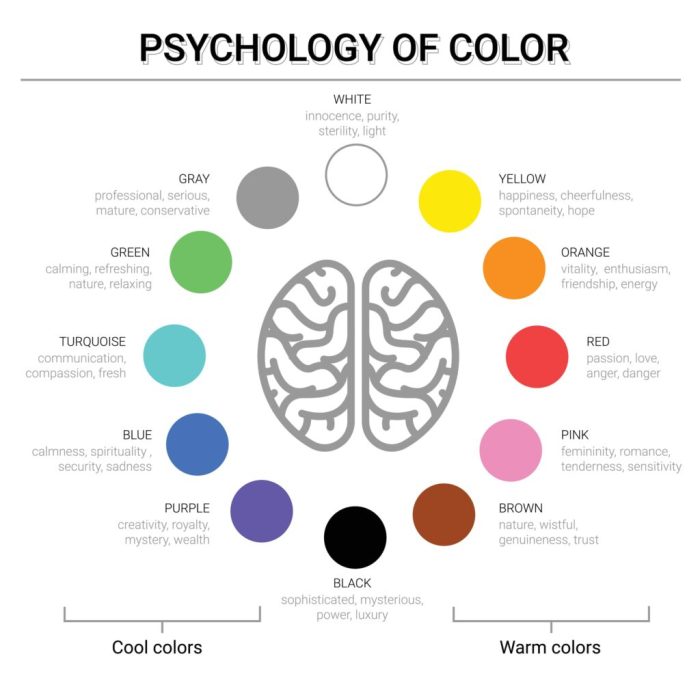
Different colors evoke distinct emotional responses. Warm colors like red, orange, and yellow are often associated with energy, excitement, and warmth. Red, for example, can stimulate appetite, making it a popular choice for restaurants. Orange promotes creativity and sociability, suitable for living rooms or play areas. Yellow is often associated with happiness and optimism, but in excess, it can be overwhelming.
Conversely, cool colors such as blue, green, and purple tend to promote calmness, tranquility, and relaxation. Blue is often used in bedrooms and bathrooms to create a soothing atmosphere. Green evokes feelings of peace and nature, while purple can be associated with luxury and creativity. Neutral colors like white, beige, and gray offer versatility and can serve as a backdrop for bolder color choices, helping to balance and harmonize a space.
The careful consideration of these color associations is paramount in creating a harmonious and emotionally resonant interior.
A Brief History of Color Psychology in Design
The application of color psychology in design has a rich history, although its formal study is relatively recent. While ancient civilizations understood the symbolic meaning of colors, the scientific exploration of their psychological effects began in the late 19th and early 20th centuries. The Bauhaus movement, for example, emphasized the importance of color in creating functional and aesthetically pleasing spaces.
Wassily Kandinsky, a prominent Bauhaus figure, explored the relationship between color and emotion extensively in his writings and artwork. His work significantly influenced the integration of color theory into design principles. Since then, the field has evolved, incorporating further research into the neurobiological basis of color perception and its impact on human behavior. Modern interior designers leverage this accumulated knowledge to create spaces that are not only visually appealing but also contribute positively to the psychological well-being of their inhabitants.
The Impact of Color on Different Rooms: Color Psychology In Interior Design: Creating The Perfect Mood For Every Room
Color significantly influences our mood and behavior, making thoughtful color selection crucial in interior design. Understanding how different colors affect us allows designers to create spaces that enhance the intended function and atmosphere of each room. This section explores ideal color palettes for various rooms within a home, focusing on how color can promote relaxation, socialization, focus, and more.
Bedroom Color Palettes for Relaxation and Sleep
Creating a serene and restful bedroom environment is paramount for quality sleep. Soft, muted tones are generally preferred, as they promote a sense of calm and tranquility. Avoid overly stimulating colors like bright reds or oranges. Instead, opt for calming blues, greens, and neutrals. A balanced approach combining these colors can create a sophisticated and peaceful atmosphere.
| Wall Color | Accent Color | Furniture Color | Textile Color |
|---|---|---|---|
| Soft Lavender | Pale Mint Green | Light Gray | Cream with Lavender accents |
Living Room Color Schemes for Socializing and Comfort
The living room serves as a central gathering space, so color choices should foster conversation and relaxation. Warm, inviting colors encourage interaction, while neutral tones provide a calming backdrop. A balanced approach is key. Consider incorporating both warm and cool tones to create a dynamic yet harmonious space.
Below are five different living room color schemes, each designed to evoke a specific mood:
- Warm Neutrals with pops of Teal: Creates a sophisticated and calming atmosphere. The teal adds a touch of vibrancy without being overwhelming.
- Earthy Tones (Browns, Greens, Creams): Evokes a sense of natural comfort and warmth, ideal for creating a cozy and inviting space.
- Soft Blues and Grays: Offers a tranquil and airy feel, perfect for smaller living rooms or those with limited natural light.
- Mustard Yellow and Deep Greens: Creates a rich and inviting space with a touch of vintage charm. The combination offers warmth and sophistication.
- Muted Reds and Taupes: Provides a sophisticated and luxurious feel. The muted tones prevent the red from being overly stimulating.
Kitchen Color Choices to Stimulate Appetite and Energy
Kitchen design often benefits from the use of vibrant and stimulating colors that can enhance appetite and energy levels. However, it’s important to balance these with calming neutrals to avoid creating an overwhelming environment. Consider using warmer colors on lower cabinets and cooler colors on upper cabinets to create visual balance.
Imagine a kitchen with sunny yellow cabinets, complemented by white countertops and backsplash. The yellow brings energy and warmth, while the white maintains a sense of cleanliness and spaciousness. Incorporate natural wood elements for texture, adding warmth and visual interest. Textured, patterned tiles on the backsplash could add further visual interest, perhaps in shades of green or blue to complement the yellow.
Stainless steel appliances would provide a modern contrast to the warm wood and yellow cabinets. This combination creates a vibrant yet balanced and inviting space.
Bathroom Color Schemes for Calm and Cleanliness, Color Psychology in Interior Design: Creating the Perfect Mood for Every Room
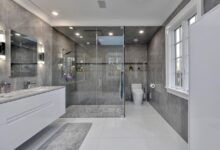
Bathrooms benefit from color palettes that promote a sense of calm, cleanliness, and serenity. Light, airy colors like soft blues, greens, and whites are often preferred. These colors can make a small bathroom feel larger and brighter. Consider the lighting carefully; warm lighting can enhance the sense of relaxation.
| Color Palette | Lighting Suggestion |
|---|---|
| Soft White with Light Gray Accents | Soft White LED lighting |
| Pale Green and White | Warm White LED lighting with natural light |
| Light Blue and White | Cool White LED lighting |
Home Office and Creative Space Color Palettes
The ideal color palette for a home office or creative space depends on the intended use. For enhancing focus and productivity, neutral colors such as gray, beige, or light blue are generally preferred. These colors create a calming and less distracting environment. In contrast, creative spaces might benefit from more vibrant and stimulating colors to encourage inspiration and innovation.
A balance between calming neutrals and stimulating accents is often the most effective approach.
Color Theory and its Application
Understanding color theory is fundamental to successful interior design. It provides a framework for creating harmonious and visually appealing spaces by leveraging the relationships between different colors. This section will explore the color wheel and its practical applications, demonstrating how to effectively utilize various color schemes to achieve specific design goals.
The color wheel is a visual representation of the relationships between colors, typically arranged in a circle. It’s based on the additive primary colors (red, green, blue) and subtractive primary colors (cyan, magenta, yellow, black), which are crucial in understanding how colors mix and interact. By understanding the color wheel, designers can predict how colors will appear together and create palettes that evoke desired moods and enhance the overall aesthetic of a room.
Complementary, Analogous, and Triadic Color Schemes
These three color schemes represent different approaches to combining colors for a balanced and visually appealing result. Each offers a unique aesthetic and is suited to different design styles and room functions.
Complementary color schemes use colors that are opposite each other on the color wheel. For example, blue and orange, or red and green. This high contrast creates a vibrant and energetic feel, often used as an accent to draw the eye. In interior design, a blue-toned living room might incorporate orange accent pillows or artwork to add a lively contrast.
Overuse, however, can be jarring, so it’s crucial to balance the intensity.
Analogous color schemes utilize colors that are adjacent to each other on the color wheel, such as blues, greens, and teal. This creates a harmonious and serene atmosphere. A bedroom, for instance, might utilize various shades of blue and green to promote relaxation. The subtle variations offer visual interest without overwhelming the senses. This approach is often favored for spaces intended for rest and relaxation.
Triadic color schemes employ three colors evenly spaced on the color wheel, such as red, yellow, and blue. This combination offers a balanced and vibrant palette, providing visual interest and excitement. A kitchen, for example, could utilize a triadic scheme with yellow cabinets, red appliances, and blue accents to create a cheerful and dynamic space. Careful consideration of the shades within each color is important to prevent the scheme from feeling too chaotic.
Choosing a Color Palette Based on Room Size and Lighting
Selecting a color palette requires considering the room’s dimensions and the quality of natural and artificial light. Different colors affect the perceived size and atmosphere of a space, and lighting conditions significantly influence how colors appear.
For small rooms, lighter and cooler colors are generally preferred as they create an illusion of spaciousness. Darker colors can make a small room feel cramped and closed-in. Conversely, larger rooms can accommodate darker and warmer colors to create a more intimate and cozy atmosphere. However, even in larger spaces, a balance is needed to avoid a heavy or oppressive feel.
For example, a small bathroom might benefit from light blues and whites to enhance the sense of openness, while a large living room could incorporate rich, deep greens and browns to create a warm and inviting atmosphere.
Natural light significantly impacts color perception. Rooms with abundant natural light can handle a wider range of colors, including darker shades, without appearing too dim. Rooms with limited natural light should prioritize lighter colors to prevent them from feeling dark and gloomy. Artificial lighting also plays a role; warm-toned lighting can enhance the warmth of certain colors, while cool-toned lighting can alter the appearance of others.
Therefore, it is crucial to consider both natural and artificial lighting when selecting a color palette. For instance, a north-facing room with limited sunlight might benefit from warm, light yellows and creams to compensate for the lack of natural warmth, while a south-facing room with abundant sunlight could handle richer, deeper hues.
Considering Light and Space
The interplay between color, light, and space is crucial in interior design. Understanding how light affects color perception and how color can manipulate the perceived size and proportions of a room is essential for creating visually appealing and functional interiors. This section explores these vital relationships and provides practical techniques for leveraging them effectively.Color perception is significantly influenced by both natural and artificial light sources.
Natural light, with its varying intensities and spectral composition throughout the day, can dramatically alter how a color appears. A warm, golden hue at sunset will render a color differently than the cool, bluish light of a cloudy day. Similarly, artificial light sources, such as incandescent, fluorescent, or LED lighting, each possess unique color temperatures that affect color rendition.
Incandescent lighting, for example, tends to cast a warmer, yellowish glow, while fluorescent lighting can appear cooler and bluer. Careful consideration of these light sources is crucial for selecting and applying colors that will maintain their intended effect throughout the day and night.
The Illusion of Space
Color can powerfully influence the perceived size of a room. Light, cool colors such as pale blues, greens, and lavenders tend to recede visually, making a space feel larger and more open. Conversely, warm, dark colors like deep reds, browns, and purples advance visually, creating a sense of intimacy but potentially making a room feel smaller. In a small room, employing light, cool colors on the walls and ceiling can create an illusion of spaciousness.
Conversely, in a large, cavernous room, using warmer colors on one wall might help to make the space feel more comfortable and less overwhelming. For instance, a small bedroom painted in a pale blue will feel more expansive than one painted in a deep burgundy. Similarly, a large living room with one accent wall in a rich terracotta might create a more inviting and cozy atmosphere.
Enhancing Architectural Features
Color can be strategically used to emphasize or downplay specific architectural features. To highlight a striking fireplace, for example, paint it a contrasting, bold color that draws the eye. Alternatively, to visually minimize an undesirable feature, such as a low ceiling, painting it a lighter color than the walls can help create a sense of height. Similarly, painting recessed areas a darker shade can make them appear to recede, while painting protruding features a lighter shade can make them appear to advance.
For instance, painting architectural molding a slightly lighter shade than the walls can make it appear to pop out, adding visual interest. Conversely, painting a large, imposing column a darker shade than the surrounding walls can help it blend more seamlessly into the background. Consider the example of a room with a low ceiling and a large, central column.
Painting the ceiling a light, cool color, the walls a slightly darker shade, and the column a similar shade to the walls but slightly darker would visually increase the ceiling height and diminish the prominence of the column.
Cultural and Personal Preferences
Color choices in interior design are deeply intertwined with cultural backgrounds and individual tastes, creating a complex interplay that designers must navigate to achieve truly satisfying results. Understanding these influences is crucial for creating spaces that resonate with the client’s identity and aspirations. Ignoring these factors can lead to a disconnect between the designed space and the intended occupant, resulting in dissatisfaction.Cultural backgrounds significantly influence color preferences.
For example, in many Western cultures, white is associated with purity and cleanliness, often used in kitchens and bathrooms. However, in some Asian cultures, white is associated with mourning. Similarly, red, a symbol of luck and prosperity in many Asian cultures, might be considered too bold or aggressive in some Western contexts. These cultural nuances necessitate careful consideration during the design process.
Understanding the symbolism and connotations of colors within a specific culture is paramount to avoiding unintentional misinterpretations and ensuring a harmonious design.
Cultural Influences on Color Selection
Cultural influences on color preferences are multifaceted and deeply rooted in tradition, symbolism, and societal norms. For instance, the vibrant hues often found in Latin American interiors reflect the region’s lively culture and celebratory spirit. Conversely, the preference for muted tones and natural materials in Scandinavian design reflects a cultural emphasis on minimalism and connection with nature. In Japanese design, the use of earthy tones and natural elements is often seen as a reflection of a deep respect for the environment and a philosophy of harmony with nature.
These cultural associations should be considered when choosing color palettes, ensuring the design resonates authentically with the client’s heritage and values.
The Importance of Individual Client Preferences
While understanding cultural influences is essential, it is equally crucial to prioritize the individual preferences of the client. A successful interior design project hinges on creating a space that reflects the client’s unique personality, lifestyle, and aesthetic sensibilities. This involves engaging in open communication, understanding their aspirations for the space, and collaboratively selecting color palettes that resonate with their personal tastes.
Open-ended questions and mood boards can be valuable tools in this process, allowing clients to express their preferences and guiding the designer toward a cohesive and satisfying design.
Earthy-Toned Living Room Design
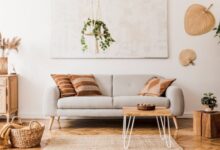
Imagine a living room designed for a client who appreciates earthy tones. The walls are painted a warm, muted terracotta, providing a grounding backdrop. The flooring is composed of wide, light oak planks, adding a sense of natural warmth. A large, plush sofa in a deep taupe linen fabric anchors the space, complemented by two armchairs upholstered in a textured, oatmeal-colored wool.
Scatter cushions in various shades of brown, beige, and olive green add visual interest and texture. A hand-woven jute rug in a neutral tone grounds the seating area. A coffee table made of reclaimed wood, showcasing its natural grain and imperfections, adds rustic charm. Subtle lighting, such as table lamps with linen shades and strategically placed recessed lighting, creates a warm and inviting ambiance.
A large window allows natural light to flood the room, enhancing the earthy tones and creating a calming and serene atmosphere.
Using Color to Create Different Moods
Color is a powerful tool in interior design, capable of profoundly influencing the atmosphere and mood of a space. By carefully selecting and combining colors, designers can evoke specific feelings and create environments tailored to their intended purpose. Understanding the psychological associations of different colors is crucial for achieving this.The impact of color is multifaceted, interacting with factors like light, texture, and personal preference to shape the overall sensory experience.
This section will explore how specific color palettes can be used to generate warmth, energy, calmness, and sophistication, offering practical examples and design considerations.
Colors Associated with Different Moods
Warm colors, such as reds, oranges, and yellows, are generally associated with feelings of energy, excitement, and comfort. They can stimulate appetite and create a vibrant atmosphere, making them ideal for dining rooms or kitchens. Cool colors, like blues, greens, and purples, often evoke feelings of calmness, serenity, and relaxation. These are frequently used in bedrooms and bathrooms to promote rest and tranquility.
Neutrals, such as whites, grays, and beiges, provide a sense of balance and sophistication, serving as a versatile backdrop for bolder accents. Finally, certain shades, like deep blues and greens, can be associated with a feeling of sophistication and luxury.
Using Texture and Pattern to Complement Color Choices
Texture and pattern play a vital role in enhancing the impact of color. A smooth, polished surface will reflect light differently than a rough, textured one, altering the perceived intensity of a color. For instance, a deep red painted on a smooth wall will appear more intense and perhaps even aggressive than the same color on a heavily textured wall, where the light is diffused.
Similarly, patterns can add visual interest and depth, complementing or contrasting with the chosen color scheme. A bold geometric pattern can add energy to a room, while a subtle floral pattern can enhance a sense of calm. The interplay between color, texture, and pattern allows for a richer, more nuanced design experience.
Mood Board: Relaxing Spa-Like Bathroom
This mood board envisions a calming spa-like bathroom. The dominant color is a soft, muted sage green, chosen for its association with nature and tranquility. The walls are painted this shade, creating a serene backdrop. The flooring is a light beige tile with a subtle, textured surface, providing a sense of warmth and comfort underfoot. Accents of pale blue, reminiscent of a clear sky, are introduced through towels and decorative elements.
A white free-standing bathtub sits centrally, adding a clean and minimalist feel. Natural materials, such as bamboo or woven baskets, introduce textural interest, further enhancing the feeling of relaxation. Subtle lighting, perhaps from a soft-glowing pendant lamp and strategically placed wall sconces, completes the design, casting a gentle, diffused light across the space. The overall effect is one of understated elegance and soothing calm, transforming the bathroom into a personal sanctuary.