Eco-Chic Interiors: Sustainable Design Ideas for the Modern Home explores the exciting intersection of style and environmental responsibility. This guide delves into creating beautiful, functional living spaces that minimize environmental impact without compromising on aesthetic appeal. We’ll examine sustainable materials, energy-efficient solutions, and design strategies that promote both comfort and ecological consciousness, transforming your home into a haven that reflects your commitment to a greener future.
From selecting eco-friendly furniture and decor to maximizing natural light and ventilation, we provide practical steps and inspiring examples to guide you in creating a truly eco-chic sanctuary.





Defining Eco-Chic Interiors
Eco-chic interiors represent a design philosophy that prioritizes sustainability and environmental responsibility without compromising on style or elegance. It’s about creating beautiful, functional spaces that minimize their environmental impact throughout their entire lifecycle, from material sourcing to disposal. This approach blends aesthetics with ethics, resulting in homes that are both stylish and conscious.Eco-chic design differs significantly from traditional approaches.
While traditional design often focuses primarily on aesthetics and the use of readily available (and often unsustainable) materials, eco-chic design emphasizes the ethical sourcing and responsible use of resources. Traditional styles may prioritize opulent materials and elaborate designs, potentially overlooking environmental consequences. In contrast, eco-chic design prioritizes longevity, durability, and the minimization of waste. It seeks to create spaces that are both beautiful and contribute positively to the environment.
Sustainable Materials in Eco-Chic Interiors
The selection of materials is paramount in eco-chic design. The following table highlights some commonly used sustainable materials and their characteristics:
| Material | Source | Benefits | Drawbacks |
|---|---|---|---|
| Bamboo | Rapidly renewable grass | Strong, durable, aesthetically pleasing, sustainable, requires minimal processing | Can be susceptible to moisture damage, may require specific treatments for durability in certain applications. |
| Reclaimed Wood | Demolished buildings, salvaged lumber | Unique character, reduces demand for newly harvested timber, durable, reduces waste | Can be more expensive than new lumber, may require significant cleaning and treatment, availability can be limited. |
| Cork | Bark of the cork oak tree | Renewable, sustainable, naturally insulating, fire-resistant, hypoallergenic | Can be more expensive than other flooring options, may be susceptible to scratches or dents with heavy use. |
| Recycled Glass | Recycled glass bottles and containers | Sustainable, reduces landfill waste, creates unique and visually interesting surfaces (e.g., countertops, tiles) | Can be more brittle than other materials, may require specialized installation techniques. |
Sustainable Material Selection
Choosing sustainable materials is paramount in creating eco-chic interiors. The environmental impact of building materials extends far beyond the initial construction; it encompasses manufacturing processes, transportation, and eventual disposal or recycling. By carefully selecting materials with low environmental footprints, we can significantly reduce our home’s carbon footprint and contribute to a healthier planet.The selection of sustainable materials involves considering their entire lifecycle, from sourcing to disposal.
This holistic approach allows for a more informed decision-making process, leading to the creation of beautiful and environmentally responsible spaces.
Environmental Impact of Building Materials
The environmental impact of building materials varies considerably. Wood, for instance, is a renewable resource, but its impact depends heavily on its source. Responsibly harvested wood from sustainably managed forests has a significantly lower impact than wood from illegally logged areas. The manufacturing process, including transportation and potential use of harmful chemicals, also needs to be considered.
Bamboo, a rapidly renewable grass, offers a compelling alternative with a low environmental impact and high strength-to-weight ratio. Recycled materials, such as reclaimed wood or recycled glass, represent a significant step towards reducing waste and minimizing environmental burden. Their use diverts materials from landfills and reduces the demand for virgin resources. Conversely, materials with high embodied energy, such as concrete and certain types of steel, have a substantial carbon footprint due to the energy-intensive manufacturing processes involved.
The selection should prioritize materials with low embodied carbon and minimal environmental impact throughout their life cycle.
Durability and Aesthetic Appeal of Sustainable Materials
Sustainable materials offer a diverse range of aesthetic options, often rivaling or exceeding the appeal of conventional materials. Reclaimed wood, for example, boasts unique character and patina, adding rustic charm to any space. Bamboo flooring offers a sleek, modern aesthetic, while also being highly durable and resistant to scratches and moisture. Cork, another sustainable option, provides warmth underfoot and excellent insulation properties, contributing to both comfort and energy efficiency.
The durability of sustainable materials can vary, but many are known for their longevity and resilience. Proper maintenance is key to maximizing the lifespan of any material, regardless of its origin. However, the upfront cost of some sustainable materials might be higher, though their longevity often makes them a cost-effective choice in the long run.
Eco-Chic Living Room Design
Consider a hypothetical eco-chic living room featuring a reclaimed wood coffee table with a unique grain pattern and subtle imperfections that tell a story. The flooring could be composed of bamboo planks, offering a warm, natural aesthetic with exceptional durability. Walls are adorned with a lime-wash finish, a technique that utilizes natural ingredients and creates a soft, textured surface.
The sofa is upholstered in organic cotton fabric, chosen for its breathability and softness. Accent chairs might be constructed from sustainably sourced rattan, a lightweight yet strong material with a natural, woven texture. Lighting fixtures utilize energy-efficient LED bulbs, minimizing energy consumption. Finally, the room incorporates recycled glass elements in decorative vases and bowls, adding subtle pops of color and texture while minimizing waste.
This combination creates a space that is both stylish and environmentally responsible.
Eco-Friendly Furniture and Decor
Creating an eco-chic home involves thoughtful consideration of every piece, from the largest furniture items to the smallest decorative accents. Choosing sustainably sourced and ethically manufactured furniture significantly reduces the environmental impact of your interior design while supporting responsible businesses. This section will explore the design features of such furniture and provide examples of stylish, eco-conscious options.Ethically sourced and sustainably manufactured furniture prioritizes environmental protection and fair labor practices throughout its lifecycle.
Design features often include the use of reclaimed or rapidly renewable materials like bamboo or sustainably harvested wood. Manufacturers often employ low-impact finishes and prioritize durability to extend the furniture’s lifespan, reducing the need for frequent replacements. The manufacturing process itself may incorporate energy-efficient techniques and minimize waste generation. Transparency in sourcing and production is also a key characteristic, allowing consumers to make informed choices.
Upcycled and Repurposed Furniture
Repurposing and upcycling existing furniture offers a fantastic way to incorporate sustainable design principles into your home. This practice diverts waste from landfills and breathes new life into old pieces, adding unique character to your interior. Examples include transforming old wooden pallets into stylish coffee tables, using vintage suitcases as side tables, or converting old doors into headboards. A creatively repurposed dresser could be painted and fitted with new hardware to achieve a modern, eco-chic look.
The possibilities are limited only by your imagination and resourcefulness.
Examples of Stylish and Environmentally Friendly Decorative Items
Choosing decorative items with environmental consciousness in mind enhances the eco-chic aesthetic. Below are five examples that showcase style and sustainability:
- Handwoven Rugs from Recycled Materials: These rugs often utilize recycled plastic bottles or other textile waste, reducing landfill burden while creating unique and textured floor coverings. The production process is often localized, supporting artisans and minimizing transportation emissions. Imagine a vibrant rug woven from recycled sari silk, showcasing rich colors and intricate patterns.
- Planters Made from Reclaimed Wood: These planters, crafted from reclaimed wood salvaged from old buildings or demolition sites, offer a rustic charm. The wood’s natural grain and variations in color add character and uniqueness. The repurposing of this material reduces the demand for newly harvested wood, contributing to forest conservation.
- Ceramic Vases Made with Locally Sourced Clay: Locally sourced clay minimizes transportation costs and emissions associated with shipping materials. The production process, often involving traditional techniques, can be less energy-intensive than mass-produced alternatives. Imagine a simple, elegant vase with a subtle, earthy glaze, handcrafted by a local potter.
- Decorative Bowls from Recycled Glass: These bowls are made from crushed and recycled glass, showcasing a unique speckled or marbled effect. The manufacturing process significantly reduces the energy needed to produce new glass, while diverting waste from landfills. The resulting pieces can be both functional and visually appealing, adding a touch of modern elegance to any room.
- Cork Coasters and Trivets: Cork is a sustainable and renewable material harvested from cork oak trees without harming the tree itself. The harvesting process is environmentally friendly, and cork is naturally durable and resistant to heat and moisture, making it ideal for coasters and trivets. The natural texture and color of cork offer a unique and understated aesthetic.
Incorporating Natural Light and Ventilation
Maximizing natural light and ventilation is a cornerstone of eco-chic design, offering significant environmental and health benefits. By reducing reliance on artificial lighting and air conditioning, we lessen our carbon footprint and create a healthier, more comfortable living space. This section will explore strategies for effectively incorporating these natural elements into your home design.Natural light and ventilation significantly reduce energy consumption.
Sunlight provides free illumination, decreasing the need for electric lights, which are responsible for a considerable portion of household energy use. Similarly, natural ventilation reduces reliance on energy-intensive air conditioning systems, leading to lower utility bills and a smaller environmental impact. Beyond energy savings, natural light improves mood and productivity, while proper ventilation enhances air quality by reducing indoor pollutants and improving overall well-being.
Studies have shown a direct correlation between access to natural light and improved sleep patterns and reduced stress levels.
Design Strategies for Improving Natural Light and Airflow
Effective design strategies vary depending on the room’s function and orientation. For example, south-facing rooms typically receive the most sunlight, while east- and west-facing rooms experience different intensities of light throughout the day. Understanding these variations allows for strategic placement of windows and the use of light-reflective materials to optimize natural light penetration. Similarly, strategic window placement and the incorporation of features such as transom windows above doors can improve ventilation by creating cross-breezes.
The use of strategically placed skylights can also dramatically increase the amount of natural light reaching the interior spaces.
Bedroom Floor Plan Optimizing Natural Light and Ventilation
Consider a bedroom with dimensions of 12ft x 14ft. The bed is positioned against the wall opposite the largest window, a 6ft x 4ft window on the south-facing wall. This maximizes morning sunlight, creating a naturally bright and cheerful atmosphere. A smaller, 3ft x 2ft window is positioned on the east-facing wall, providing soft morning light and allowing for cross-ventilation.
The placement of these windows, along with the use of sheer curtains that allow light to filter through while providing privacy, ensures both ample natural light and a good level of ventilation. A high ceiling, at least 9 feet, enhances the feeling of spaciousness and allows for better air circulation. The room also incorporates a light-colored color scheme on the walls and flooring, which reflects natural light effectively.
The placement of a wardrobe against the west-facing wall minimizes obstruction of light and airflow. This arrangement creates a naturally bright and well-ventilated bedroom, promoting a restful and healthy sleep environment.
Energy-Efficient Lighting and Appliances
Creating an eco-chic interior involves more than just stylish aesthetics; it necessitates mindful choices regarding energy consumption. By selecting energy-efficient lighting and appliances, you significantly reduce your carbon footprint while maintaining a sophisticated and comfortable living space. This section will explore options for both lighting and appliances, comparing their energy usage and environmental impact to help you make informed decisions.Energy-efficient lighting and appliances are crucial components of a sustainable home.
They not only lower your electricity bill but also contribute to a smaller environmental impact. Choosing wisely allows you to enjoy a stylish and environmentally responsible home.
Energy-Efficient Lighting Options
LED lighting is the clear winner in terms of energy efficiency and longevity. LED bulbs consume significantly less energy than incandescent or even CFL bulbs, resulting in substantial energy savings over their lifespan. Furthermore, they produce less heat, contributing to a more comfortable indoor environment and reducing the strain on your cooling system. For eco-chic interiors, consider using LED filament bulbs for a vintage aesthetic, or sleek, minimalist LED downlights for a modern look.
Recessed lighting with LED technology provides focused illumination while maximizing space efficiency.
Energy-Saving Appliances
Selecting energy-efficient appliances is equally important. Look for appliances with the Energy Star certification, a widely recognized symbol indicating that the appliance meets stringent energy-efficiency guidelines. Energy Star certified refrigerators, washing machines, and dryers consume significantly less energy than their non-certified counterparts. Consider investing in appliances with features like smart power management, which allows you to control energy consumption remotely.
For example, a smart refrigerator can adjust its cooling based on usage patterns, minimizing energy waste. Similarly, a heat pump dryer uses significantly less energy than a traditional electric dryer.
Comparison of Lighting and Appliance Choices
The following table compares the energy consumption, environmental impact, and cost of different lighting and appliance choices. Note that the values provided are estimates and can vary based on specific models and usage patterns. The environmental impact is represented qualitatively, with lower scores indicating less impact.
| Item | Energy Consumption (kWh/year) | Environmental Impact (Qualitative Score: 1-5, 1 being lowest) | Cost (Approximate) |
|---|---|---|---|
| Incandescent Bulb (60W) | 876 | 5 | $1-$3 |
| CFL Bulb (14W) | 208 | 3 | $3-$5 |
| LED Bulb (9W) | 131 | 1 | $5-$10 |
| Standard Refrigerator | 700-1000 | 4 | $800-$1500 |
| Energy Star Refrigerator | 400-600 | 2 | $1000-$2000 |
| Standard Washing Machine | 200-300 | 3 | $600-$1000 |
| Energy Star Washing Machine | 100-150 | 1 | $800-$1500 |
Reducing Waste and Promoting Recycling: Eco-Chic Interiors: Sustainable Design Ideas For The Modern Home
Creating an eco-chic interior doesn’t just involve selecting sustainable materials; it necessitates a mindful approach to the entire design process, from initial planning to final installation. Minimizing waste and maximizing the reuse of resources are crucial aspects of achieving a truly sustainable home environment. This section will explore practical strategies for reducing waste during the design process and incorporating recycled and reclaimed materials to create a stylish and functional space.Minimizing waste during the interior design process involves careful planning and strategic material selection.
By accurately measuring spaces and ordering materials precisely, you can significantly reduce leftover materials destined for landfills. Furthermore, opting for modular furniture allows for adaptability and avoids the need for complete replacements as your needs evolve. This reduces the long-term waste generated by discarding outdated pieces.
Methods for Minimizing Waste During Interior Design
Careful planning is key to minimizing waste. Accurate measurements and detailed design plans are essential to prevent over-ordering materials. Consider using digital design tools to visualize the space and refine material quantities before purchasing. Collaborating with a designer experienced in sustainable practices can further optimize material usage and minimize waste. Prioritize modular furniture that can be easily reconfigured or expanded as your needs change, reducing the need for replacements in the future.
For example, a modular sofa system can be adjusted to fit different spaces or family sizes, extending its lifespan. Finally, explore options for donating or repurposing leftover materials to avoid sending them to landfills.
Incorporating Recycled and Reclaimed Materials
Recycled and reclaimed materials offer a unique aesthetic and significantly reduce the environmental impact of your interior design. Reclaimed wood, for instance, adds character and warmth to a space while diverting wood from landfills. The unique grain and patina of reclaimed wood create a visually striking element in furniture, flooring, or wall accents. Similarly, recycled glass can be incorporated into countertops, tiles, or decorative accents, showcasing a sustainable and visually appealing choice.
The use of recycled metals in lighting fixtures or hardware adds another layer of eco-conscious design. For example, a coffee table crafted from reclaimed wood and featuring hardware made from recycled copper would be both stylish and environmentally responsible.
Creating a Stylish and Functional Storage System
A well-designed storage system is crucial for reducing clutter and promoting organization. Built-in shelving units maximize space utilization and minimize the need for bulky, mass-produced storage solutions. Customizable shelving allows you to tailor the storage to your specific needs, ensuring efficient use of space. Utilizing repurposed materials for storage solutions, such as old crates or vintage trunks, adds character and reduces waste.
For example, repurposed wooden crates can be stacked to create a unique shelving unit in a rustic-style home, while vintage suitcases can be used as side tables or storage for blankets. Employing vertical space with tall bookcases or wall-mounted shelves keeps items organized and prevents clutter. A well-organized space not only looks better but also contributes to a more sustainable lifestyle by reducing the need for unnecessary purchases.
Color Palettes and Textures in Eco-Chic Design
Eco-chic interiors prioritize natural harmony and a sense of calm. Achieving this involves careful consideration of both color palettes and the textures used throughout the space. The right combination can significantly impact the overall mood and even the perceived size of a room.Color palettes inspired by nature are fundamental to eco-chic design. These palettes create a tranquil and inviting atmosphere, reflecting the serenity found in natural landscapes.
The use of natural textures further enhances this effect, creating a tactile and visually appealing environment.
Natural Color Palettes for Tranquil Spaces
Nature provides a wealth of inspiration for calming and harmonious color schemes. Earth tones, such as warm browns, muted greens, and soft creams, form the foundation of many eco-chic palettes. These colors evoke a sense of grounding and stability. Adding accents of subtle blues, reminiscent of a clear sky or calm ocean, introduces a sense of spaciousness and tranquility.
A palette of sage green, warm beige, and sky blue, for instance, would create a soothing and airy atmosphere. Alternatively, a combination of terracotta, cream, and deep olive green could evoke the warmth and richness of a sun-drenched Mediterranean landscape.
Incorporating Natural Textures
The incorporation of natural textures is crucial in creating an authentic eco-chic aesthetic. The tactile qualities of these materials add depth and warmth to a space. Wood, in its various forms – from reclaimed planks to smooth bamboo – offers versatility and visual appeal. Stone, whether it’s rough-hewn or polished, brings a sense of permanence and sophistication.
Linen, cotton, and wool textiles add softness and comfort, contributing to a cozy and inviting atmosphere. Rattan and jute, often used in furniture and accessories, further enhance the natural feel. The subtle variations in color and texture inherent in these natural materials contribute to a unique and organic aesthetic.
Enhancing Spaciousness and Serenity Through Color and Texture, Eco-Chic Interiors: Sustainable Design Ideas for the Modern Home
Strategic use of color and texture can significantly impact the perceived size and ambiance of a room. Light and airy color palettes, such as those featuring whites, creams, and pale greens, create a sense of openness and spaciousness, particularly in smaller rooms. The use of reflective surfaces, such as mirrors or light-colored stone, further enhances this effect. Conversely, darker colors can be used strategically to create intimacy and focus in specific areas.
Combining light walls with darker, textured flooring, for example, can create a balanced and visually interesting space. The interplay of smooth and rough textures also adds visual interest, preventing a space from feeling monotonous. A room with smooth, painted walls, a textured rug, and wooden furniture will offer a pleasing contrast that enhances the overall design.
Illustrative Examples of Eco-Chic Spaces
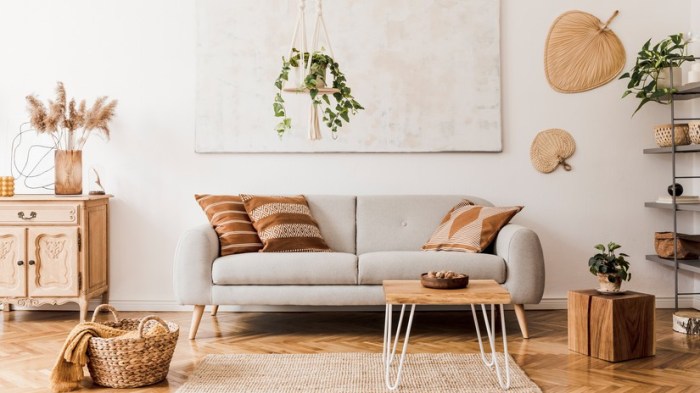
Designing an eco-chic home doesn’t mean sacrificing style for sustainability. Instead, it’s about thoughtfully integrating eco-friendly materials and practices to create beautiful and functional spaces that are also kind to the planet. The following examples showcase how sustainable choices can translate into stunning and inviting interiors.
Eco-Chic Living Room
This living room embodies relaxed sophistication. The walls are painted in a calming shade of warm grey, complemented by a sustainably sourced bamboo floor. Large windows maximize natural light, reducing the need for artificial illumination. The seating area features a comfortable, modular sofa crafted from organic cotton and recycled wood. Scatter cushions in earthy tones of linen and hemp add texture and warmth.
A statement piece, a coffee table made from reclaimed wood with a live-edge finish, anchors the space, its unique grain adding visual interest. Indirect lighting from strategically placed floor lamps creates a soft, ambient glow in the evening. The overall atmosphere is serene and inviting, promoting relaxation and connection.
Eco-Chic Bedroom
The bedroom is a sanctuary of calm, designed to promote restful sleep. The walls are clad in natural cork, providing excellent insulation and sound absorption. The floor is covered in a jute rug, adding warmth and texture underfoot. The bed is made with organic cotton sheets and a natural latex mattress, ensuring a healthy and comfortable sleep environment.
A simple wooden bedside table, crafted from sustainably harvested timber, holds a small lamp with a low-energy LED bulb. The color palette is muted and calming, with shades of soft greens and blues creating a peaceful atmosphere. The overall feeling is one of tranquility and rejuvenation.
Eco-Chic Kitchen
This kitchen demonstrates that sustainability and functionality can coexist beautifully. The countertops are made from recycled glass, offering a unique and durable surface. The cabinets are crafted from reclaimed wood, showcasing their unique character and history. Energy-efficient appliances, such as an induction cooktop and a low-energy refrigerator, minimize environmental impact. Recycled glass pendant lights hang above the island, adding a touch of industrial chic.
A vibrant splash of color comes from a hand-painted terracotta backsplash, adding warmth and personality. The overall atmosphere is bright, airy, and efficient, making cooking and entertaining a pleasure.
Eco-Chic Bathroom
Imagine a bathroom where sustainability meets luxury. The walls are clad in smooth, ethically sourced bamboo panels, creating a spa-like ambiance. The flooring is made from recycled porcelain tiles, offering both durability and style. A low-flow showerhead and a dual-flush toilet conserve water, while a sleek, energy-efficient vanity mirror reduces electricity consumption. Natural light streams in through a frosted glass window, further enhancing the tranquil atmosphere.
The color palette is serene, with shades of soft grey and white creating a sense of cleanliness and calm. The overall effect is a luxurious yet environmentally conscious space that invites relaxation and rejuvenation.