How to Create a Kitchen That Inspires Delicious Moments isn’t just about functionality; it’s about crafting a space that sparks joy, creativity, and unforgettable culinary experiences. This guide delves into the art of designing a kitchen that seamlessly blends aesthetics, efficiency, and technology, transforming meal preparation from a chore into a delightful adventure. We’ll explore everything from layout and color palettes to smart appliances and inviting ambiance, offering practical advice and inspiring ideas to help you create the kitchen of your dreams.
From thoughtfully planned layouts that optimize workflow to the strategic use of color and natural materials, we’ll guide you through each step of the process. Discover how smart technology can streamline your cooking, and learn how to incorporate comfortable seating and decorative elements to create a warm and inviting atmosphere. Ultimately, this guide aims to empower you to design a kitchen that not only facilitates delicious meals but also fosters cherished memories and strengthens connections with loved ones.





Designing the Layout for Culinary Inspiration
A well-designed kitchen layout is paramount to fostering a space that inspires culinary creativity. Efficient workflow, ample storage, and a comfortable atmosphere all contribute to a positive cooking experience. Careful consideration of these factors during the design phase ensures a kitchen that is both functional and aesthetically pleasing, encouraging the creation of delicious meals.
Maximizing Workflow Efficiency Through Appliance and Work Zone Placement, How to Create a Kitchen That Inspires Delicious Moments
The key to an efficient kitchen layout is the creation of a smooth workflow, often referred to as the “work triangle.” This triangle connects the three primary work zones: the sink, the stovetop, and the refrigerator. Ideally, the distances between these zones should be neither too short nor too long, allowing for comfortable movement and preventing congestion. The sink should be placed near the dishwasher for easy unloading and loading.
The stovetop should be positioned near easily accessible cookware and pantry items. The refrigerator should be situated conveniently close to the preparation area. Consider integrating additional work zones such as a dedicated baking center or a coffee station, depending on individual cooking habits and preferences. These dedicated zones minimize unnecessary movement and enhance efficiency.
Kitchen Island Design: Versatility for Food Preparation and Informal Dining
Imagine a large, rectangular kitchen island, crafted from light-colored butcher block wood, sitting in the center of a spacious kitchen. The island’s surface provides ample space for food preparation, with one side featuring a built-in cutting board and a small prep sink. The opposite side offers comfortable seating for three or four people, perfect for casual dining or informal gatherings.
Beneath the countertop, deep drawers provide storage for utensils and cooking essentials, while open shelving displays attractive cookware and serving dishes. Pendant lights hung above the island illuminate the work surface, casting a warm and inviting glow. This island serves as both a functional work area and a social hub, seamlessly blending practicality and aesthetic appeal.
The Impact of Natural Light on Kitchen Ambiance
Natural light dramatically enhances the overall ambiance of a kitchen. Large windows, skylights, or even a glass door leading to a patio flood the space with sunlight, creating a bright and cheerful atmosphere. This abundance of natural light not only improves visibility but also elevates the mood, making the cooking process more enjoyable. Strategically placed windows can also showcase beautiful views, further enriching the cooking experience.
However, it is important to consider the direction of sunlight to minimize glare and heat buildup. Appropriate window treatments, such as sheer curtains or blinds, can help regulate light levels and manage heat.
Comparison of Kitchen Layouts: Galley, L-Shaped, and U-Shaped
Different kitchen layouts offer varying degrees of functionality and aesthetic appeal. A galley kitchen, characterized by its narrow, linear design with counters on two parallel walls, is efficient for smaller spaces but can feel cramped if not well-planned. An L-shaped kitchen provides a more spacious feel and allows for a more flexible arrangement of appliances and work zones.
The U-shaped kitchen, with counters on three adjacent walls, offers the most storage and counter space, making it ideal for larger households and ambitious cooks. The choice of layout depends on the available space, the number of cooks, and personal preferences. Each layout offers unique advantages and should be carefully considered based on individual needs and cooking style.
Choosing Colors and Materials that Stimulate Appetite: How To Create A Kitchen That Inspires Delicious Moments

The colors and materials you select for your kitchen significantly impact its overall ambiance and your enjoyment of cooking and dining. A well-chosen palette and material selection can transform your kitchen into a space that inspires culinary creativity and fosters a sense of warmth and comfort. This section explores how to leverage color psychology and material properties to achieve a kitchen design that truly stimulates the appetite.
Color Palettes for Culinary Inspiration
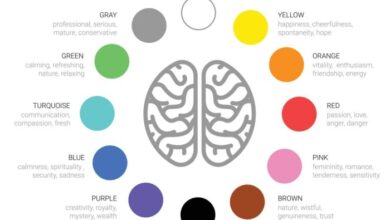
Color psychology plays a crucial role in creating the desired atmosphere. Warm, inviting colors encourage relaxation and socialization, while brighter, more vibrant hues can stimulate energy and creativity. For a kitchen that evokes feelings of warmth and comfort, consider earth tones such as creamy beige, warm greys, and terracotta. These hues create a calming and inviting space, ideal for leisurely meals and family gatherings.
Alternatively, a palette incorporating sunny yellows, vibrant oranges, and deep reds can inject a sense of excitement and energy into the kitchen, perfect for those who enjoy a more dynamic cooking experience. A sophisticated and modern feel can be achieved with cool grays paired with pops of deep blues or greens. Remember to balance the color scheme; too many intense colors can be overwhelming, while a monotone scheme may feel sterile.
Natural Materials for a Visually Appealing and Functional Kitchen
The incorporation of natural materials like wood, stone, and bamboo adds texture, warmth, and a sense of authenticity to a kitchen. Wood cabinetry, for instance, brings a timeless elegance and a feeling of organic warmth. Different wood types offer varying levels of durability and aesthetics; oak is known for its strength and grain patterns, while cherry wood offers a richer, more reddish hue.
Stone countertops, such as granite or marble, provide a luxurious feel and exceptional durability. Granite offers a wide variety of colors and patterns, while marble’s veining adds a unique touch of sophistication. However, marble requires more maintenance than granite. Bamboo flooring, a sustainable alternative to hardwood, brings a natural, earthy touch and adds to the kitchen’s overall eco-friendly aesthetic.
The use of these materials creates a visually appealing and functional space that feels both inviting and sophisticated.
Sustainable and Eco-Friendly Kitchen Design
Designing a sustainable kitchen involves selecting materials with minimal environmental impact. Bamboo cabinetry and countertops are excellent choices, being a rapidly renewable resource and requiring less processing than hardwood. Recycled glass countertops offer a unique aesthetic while promoting sustainability. Cork flooring provides excellent insulation and is a naturally renewable material. Using reclaimed wood for shelving or accent pieces adds character and reduces the demand for newly harvested timber.
Furthermore, choosing low-VOC (volatile organic compound) paints and finishes minimizes the release of harmful chemicals into the air, creating a healthier indoor environment. These choices not only reduce your carbon footprint but also contribute to a healthier and more aesthetically pleasing kitchen space.
Countertop Options: Durability, Maintenance, and Aesthetics
The choice of countertop material significantly influences the kitchen’s overall design and functionality. Granite countertops are renowned for their durability and resistance to scratches and stains, making them a popular choice for busy kitchens. However, they can be prone to chipping and require sealing periodically. Quartz countertops offer a similar level of durability with a wider range of colors and patterns, often mimicking the appearance of natural stone but with less maintenance.
Marble, while visually stunning, requires more careful maintenance as it is susceptible to etching from acidic substances. Butcher block countertops, made from wood, offer a warm, rustic aesthetic and are easily repairable, but require regular oiling to maintain their durability. Laminate countertops are a budget-friendly option offering a variety of styles, but they are less durable than natural stone or quartz.
The selection should be based on a balance of budget, desired aesthetics, and the level of maintenance you are willing to undertake.
Incorporating Smart Features for Effortless Cooking
A smart kitchen isn’t just about gadgets; it’s about creating a seamless and enjoyable cooking experience. By integrating smart appliances and technology, you can streamline your workflow, enhance creativity, and ultimately, spend less time prepping and more time savoring delicious meals. This section explores how smart features can transform your kitchen into a culinary haven.
Smart Kitchen Appliances
Smart appliances are revolutionizing the way we cook, offering increased convenience, precision, and control. The following table highlights some key examples:
| Appliance | Feature | Benefit | Example |
|---|---|---|---|
| Smart Oven | Remote control, pre-programmed settings, internal camera | Precise temperature control, effortless monitoring, recipe guidance | An oven that allows you to preheat remotely via a smartphone app, monitor cooking progress with an internal camera, and select pre-programmed settings for different dishes. |
| Smart Refrigerator | Inventory tracking, recipe suggestions, temperature monitoring | Reduced food waste, meal planning assistance, alerts for potential spoilage | A refrigerator that uses internal cameras to track food inventory, suggests recipes based on available ingredients, and sends alerts if the door is left ajar or the temperature fluctuates. |
| Smart Slow Cooker | Remote scheduling, customizable cooking times, temperature control | Flexibility and convenience, consistent cooking results, automated meal preparation | A slow cooker that allows you to start a recipe remotely, adjust cooking times from your smartphone, and maintain a consistent temperature throughout the cooking process. |
| Smart Coffee Maker | Scheduled brewing, customizable strength, remote control | Enjoy perfectly brewed coffee every morning, convenient scheduling, control from anywhere | A coffee maker that allows you to schedule brewing time in advance, adjust the coffee strength to your preference, and start brewing remotely via a mobile app. |
Smart Home Technology Integration
Integrating smart home technology enhances kitchen functionality beyond individual appliances. Voice assistants, automated lighting, and other smart features create a more intuitive and responsive cooking environment.
Smart Storage Solutions
Smart storage solutions optimize kitchen space and improve organization. These solutions can range from automated spice racks and pull-out pantries to smart drawers that track inventory and suggest recipes based on available ingredients. Such systems minimize clutter, improve accessibility, and streamline the cooking process.
Simplifying Meal Planning and Recipe Management
Technology simplifies meal planning and recipe management through dedicated apps and integrated systems. These tools allow users to create shopping lists based on chosen recipes, track dietary needs, and even receive personalized recipe recommendations based on their preferences and available ingredients. Many smart refrigerators and kitchen hubs now incorporate these features directly into their interfaces.
Creating a Comfortable and Inviting Atmosphere
A kitchen’s atmosphere significantly impacts its usability and enjoyment. More than just a functional space, it should be a welcoming hub where culinary creativity thrives and cherished moments are made. Creating a comfortable and inviting atmosphere involves careful consideration of seating, lighting, decorative elements, and textural interplay.
Comfortable Seating Areas in the Kitchen
Strategically placed seating enhances the kitchen’s social function, transforming it into a space for conversation and connection. A breakfast bar with comfortable stools provides casual seating for quick meals or informal gatherings. In larger kitchens, a small dining area with a table and chairs allows for more formal meals and extended family time. The placement should be logical and intuitive, considering traffic flow and proximity to other kitchen elements.
For instance, a breakfast bar could be positioned adjacent to the countertop for easy serving, while a dining area might be located slightly away from the main cooking zone to prevent congestion. The style of seating should complement the overall kitchen design, offering both comfort and visual appeal. Consider materials like padded stools or cushioned chairs for a touch of luxury and increased comfort.
The Impact of Lighting Design on Kitchen Mood and Functionality
Lighting plays a crucial role in setting the mood and ensuring efficient task completion in the kitchen. A layered approach, incorporating ambient, task, and accent lighting, creates a dynamic and versatile illumination scheme. Ambient lighting provides overall illumination, setting a general mood. Recessed lighting or a stylish pendant light can fulfill this role. Task lighting, focused on specific areas, is crucial for food preparation.
Under-cabinet lighting illuminates countertops, while adjustable pendants can illuminate the cooking range or island. Accent lighting highlights architectural details or decorative elements, adding depth and visual interest. For example, track lighting could showcase artwork or display shelving. The right balance of these lighting types creates a welcoming and functional space, adaptable to various activities.
Incorporating Decorative Elements to Personalize the Kitchen
Decorative elements add personality and visual interest, reflecting the homeowner’s style and creating a unique atmosphere. Artwork, carefully selected to complement the kitchen’s color palette and style, can add a touch of sophistication or whimsy. For example, a vibrant still life could complement a rustic kitchen, while abstract prints might suit a modern design. Plants bring life and vibrancy to the space, introducing natural elements and improving air quality.
Herb gardens placed near windows provide both aesthetic appeal and readily available ingredients. Displaying cherished items, such as family photos or collected pottery, adds a personal touch and creates a sense of warmth and belonging. The strategic placement of these elements enhances the visual appeal and contributes to the overall atmosphere.
Using Textures to Create a Multi-Sensory Experience
The incorporation of various textures creates a multi-sensory experience, enriching the kitchen’s ambiance. Soft fabrics, such as linen or cotton, used in curtains, rugs, or chair cushions, introduce tactile comfort. Natural materials, like wood or stone, add warmth and visual interest to countertops and backsplashes. The combination of smooth and rough textures adds depth and visual intrigue.
For example, pairing a smooth granite countertop with a textured brick backsplash creates a visually appealing contrast. Metallic accents, such as stainless steel appliances or copper pot racks, add a touch of modern elegance and reflective light. The interplay of these textures adds depth and richness to the kitchen’s design, creating a more engaging and enjoyable space.
Inspiring Culinary Creativity Through Design
A well-designed kitchen isn’t just about functionality; it’s about fostering a space that inspires culinary creativity and joyful cooking experiences. The right design elements can transform your kitchen from a mere workspace into a vibrant hub for experimentation and shared meals. By thoughtfully incorporating specific features and organizational systems, you can unlock your inner chef and encourage others to join in the culinary fun.
Open Shelving for Culinary Inspiration
Open shelving offers a dynamic way to display your cookware and culinary tools, transforming them from mere utensils into inspiring design elements. Instead of hiding pots and pans in cabinets, strategically arrange them on open shelves, creating a visually appealing and readily accessible collection. Consider grouping items by color, material, or function for a cohesive and aesthetically pleasing look.
For instance, a collection of copper pots and pans arranged together can create a warm, rustic feel, while sleek stainless steel pieces can lend a modern, minimalist aesthetic. The visibility of your equipment encourages spontaneous culinary experimentation; seeing a specific pan might spark an idea for a new recipe. This approach also serves as a constant reminder of the culinary possibilities within reach.
Spice Rack Organization: Functionality and Visual Appeal
A well-organized spice rack is both practical and visually appealing. Instead of jumbled containers, consider a system that prioritizes both accessibility and aesthetics. A tiered spice rack allows for efficient space utilization and clear visibility of each spice. Alphabetical organization simplifies finding specific spices, while color-coding can add a pop of visual interest. Consider using uniform containers for a clean, minimalist look, or opt for clear containers to easily identify the contents.
A magnetic spice rack affixed to the wall is another space-saving option, offering easy access and a sleek, modern design. Imagine a vibrant array of spices, neatly arranged and easily accessible, inspiring the creation of flavorful and exciting dishes.
Dedicated Baking or Coffee Station
Creating a dedicated baking or coffee station adds a specialized touch to your kitchen, enhancing both functionality and visual appeal. A baking station might include a countertop mixer, readily accessible baking supplies, and a designated area for cooling racks and baking sheets. This dedicated space fosters a sense of order and makes baking projects more enjoyable and efficient. Similarly, a coffee station could incorporate a high-quality coffee maker, grinder, storage for beans and grounds, and a charming display of mugs.
This dedicated space elevates the daily coffee ritual into a more mindful and enjoyable experience. The visual appeal of these specialized stations adds to the overall aesthetic charm of the kitchen, making it more inviting and inspiring.
Encouraging Family and Friends to Participate in Cooking
A kitchen designed for shared experiences encourages family and friends to gather and participate in the cooking process. An island with ample seating provides a central gathering point, allowing everyone to be involved in meal preparation. Consider incorporating a large farmhouse sink, making it easy for multiple people to wash and prep ingredients simultaneously. Open shelving and easily accessible cookware facilitate collaborative cooking efforts.
A comfortable and inviting atmosphere, achieved through proper lighting and thoughtful decor, creates a welcoming environment for shared culinary experiences. Imagine a lively gathering, where laughter and conversation flow freely alongside the delicious aromas of food being prepared – a true testament to a kitchen designed to inspire connection and shared joy.