How to Match Your Siding with Your Roof and Trim is crucial for a cohesive and visually appealing home exterior. Choosing the right colors and materials can significantly impact your home’s curb appeal and even its value. Understanding color theory, architectural styles, and practical considerations is key to achieving a stunning result. This comprehensive guide dives deep into the process, offering actionable strategies and examples to inspire your next exterior project.
From selecting the perfect siding color that complements your roof to choosing the ideal trim to tie everything together, this guide will equip you with the knowledge to make informed decisions. We’ll explore different siding materials, roof types, and trim options, providing detailed insights into how to create a harmonious and aesthetically pleasing exterior design. Get ready to transform your home’s facade into a masterpiece!






Introduction to Siding and Roof Matching
Creating a cohesive and visually appealing home requires careful consideration of the interplay between siding, roof, and trim. Harmonious color choices and material selections are crucial for a well-balanced aesthetic. Ignoring these details can result in a house that looks disjointed and uninviting. A unified color scheme, alongside complementary materials, significantly enhances curb appeal and property value.
A homeowner’s initial impression of a house is heavily influenced by the harmony between these key architectural elements.The goal is to create a pleasing visual balance between the house’s roof, siding, and trim. Complementary colors, rather than stark contrasts, typically lead to a more attractive and aesthetically pleasing appearance. Choosing materials that share a common color palette or have a subtle, yet consistent visual connection is paramount.
This holistic approach ensures that each element contributes to a unified and harmonious look, ultimately boosting the property’s visual appeal.
Siding and Roof Color Coordination Principles
Matching siding, roof, and trim colors requires understanding color theory. Analogous colors, which sit next to each other on the color wheel, create a soothing and unified look. For instance, a house with a light gray roof might pair well with a light taupe or beige siding. Conversely, contrasting colors, though sometimes effective, can make the house look jarring.
A deep red roof, for example, could be paired with a siding that shares the warm tone but has a slightly different hue. Careful consideration of both the colors and the materials is essential.
Material Suitability for Different Roof Types
Choosing the right siding material for your roof type is critical for longevity and aesthetic consistency. The table below provides a general guideline for selecting appropriate siding materials based on the roof’s construction.
| Roof Type | Suitable Siding Materials | Considerations |
|---|---|---|
| Asphalt Shingles | Vinyl, Fiber Cement, Wood | Vinyl is a cost-effective and low-maintenance option. Fiber cement offers durability and a natural look. Wood siding provides a classic, warm feel, but requires more upkeep. |
| Metal Roofs | Vinyl, Fiber Cement, Metal Siding | Metal siding can create a unified, modern aesthetic when used with metal roofs. Vinyl or fiber cement siding can also complement the modern look. Consider the color palette of the metal roof when choosing the siding. |
| Tile Roofs | Vinyl, Fiber Cement, Wood | Tile roofs often have a distinctive color palette. Choose siding materials that complement the warm or cool tones of the tile roof. |
“A unified color scheme, alongside complementary materials, significantly enhances curb appeal and property value.”
Understanding Color Theory for Exterior Design
Exterior design is more than just aesthetics; it’s about creating a cohesive and visually appealing space that reflects your personality and complements your home’s architecture. A crucial element in this process is understanding color theory and how it impacts the overall impression of your home. This knowledge allows you to choose color palettes that not only look beautiful but also enhance the value and appeal of your property.Color theory, at its core, provides a structured approach to choosing colors that work harmoniously together.
By understanding the color wheel and its various relationships, you can create exterior color schemes that are both aesthetically pleasing and functional. This understanding helps you navigate the often-overwhelming world of exterior design choices and empowers you to make informed decisions about siding, roof, and trim colors.
Color Wheel and its Application, How to Match Your Siding with Your Roof and Trim
The color wheel is a visual representation of colors arranged in a circular pattern. Understanding its structure is fundamental to selecting harmonious color schemes for your home’s exterior. Primary colors (red, yellow, blue) form the basis of the wheel, and secondary colors (orange, green, purple) are created by mixing primary colors. Tertiary colors result from mixing a primary and a secondary color, creating a wider spectrum of possibilities.
By understanding these relationships, you can create a balanced and visually appealing exterior color scheme.
Analogous Color Palettes
Analogous color palettes use colors that are adjacent to each other on the color wheel. These palettes typically evoke a sense of harmony and calmness. Using analogous colors for your siding, roof, and trim creates a cohesive and unified look. For example, a palette using shades of blue-green, green, and yellow-green would provide a serene and tranquil aesthetic.
This approach minimizes visual conflict and creates a sense of tranquility.
Complementary Color Palettes
Complementary color palettes utilize colors that are opposite each other on the color wheel. These combinations often create a high degree of visual contrast and vibrancy. Applying complementary colors to your exterior, such as red and green, or blue and orange, can be impactful, particularly when used strategically in areas like trim accents. This approach can create a bold and dynamic statement.
Triadic Color Palettes
Triadic color palettes use colors that are evenly spaced around the color wheel. These combinations often result in a vibrant and energetic look. Using triadic colors, such as red, yellow, and blue, or orange, green, and purple, can create a playful and attention-grabbing exterior design. The key is to choose shades that balance the intensity of the colors.
Color Temperature
Color temperature refers to whether a color leans toward warm or cool tones. Warm colors, such as reds, oranges, and yellows, often evoke feelings of energy and excitement, while cool colors, such as blues, greens, and purples, typically create a sense of calmness and serenity. Considering the color temperature of your siding, roof, and trim is essential for achieving a balanced and visually appealing exterior.
For example, a warm-toned roof with cool-toned siding can create a refreshing contrast.
Color Palette Examples
Various color palettes can effectively match siding, roofs, and trim. A muted gray siding with a dark gray roof and black trim creates a modern and sophisticated look. A light beige siding, a brown roof, and a light brown trim evoke a classic and timeless aesthetic. A vibrant blue siding, a navy blue roof, and a white trim offer a fresh and contemporary look.
Color Combinations Table
| Siding | Roof | Trim | Mood/Style |
|---|---|---|---|
| Light Gray | Dark Gray | Black | Modern, Sophisticated |
| Beige | Brown | Light Brown | Classic, Timeless |
| Blue | Navy Blue | White | Fresh, Contemporary |
| Cream | Dark Gray | Gray-Brown | Elegant, Neutral |
| Terracotta | Dark Red-Brown | Dark Brown | Rustic, Earthy |
Matching Siding to Roof Colors
Choosing the right siding color to complement your roof is crucial for a visually appealing and harmonious home exterior. A well-matched color scheme can significantly enhance the curb appeal and value of your property, while a poor choice can detract from its overall aesthetic. Understanding the relationship between these two key exterior elements is paramount for achieving a balanced and cohesive look.The key to a successful siding and roof color pairing lies in understanding color theory and how different hues interact.
This involves more than simply picking colors that look good side-by-side; it’s about creating a visual harmony that enhances the architectural design of your home. The right combination can draw attention to the positive aspects of your home’s features, while mismatched colors can draw attention to the wrong places.
Strategies for Choosing Complementary Siding Colors
Careful consideration of the roof’s existing color is paramount when selecting siding. A good approach involves analyzing the undertones and saturation of both the roof and potential siding colors. This will ensure that the chosen siding color works in harmony with the roof color rather than clashing with it. By understanding the underlying tones and intensities of the colors, you can create a balanced and visually appealing exterior.
Methods for Creating Visual Harmony
A key strategy for achieving visual harmony between siding and roof colors is to select shades that are either analogous (adjacent on the color wheel) or complementary (opposite on the color wheel). Analogous colors tend to create a subtle, cohesive look, while complementary colors can create a more striking, yet balanced, contrast. The chosen color should ideally reinforce the existing architectural style of the home, making the most of the home’s architectural features.
Techniques for Avoiding Color Clashes
Avoid clashes by carefully considering the intensity and saturation of the colors. A dark roof, for example, might look best with a lighter siding color to prevent the home from appearing too heavy or imposing. Conversely, a light-colored roof may benefit from a slightly darker siding color to add visual interest and depth. Consider using a color palette that complements the existing landscaping and surroundings, creating a seamless transition from the house to the natural environment.
Choosing the right siding color to complement your roof and trim is crucial for curb appeal. But remember, a well-maintained exterior is just as important, like understanding how to properly clean and maintain your siding. This ensures your home’s siding looks its best for years to come, which directly impacts the overall aesthetic, How to Maintain and Clean Your Homes Siding.
Proper upkeep is key to making your siding pop, just as a well-matched color scheme does. So, consider both the upkeep and the aesthetic when selecting your siding.
Siding Color Choices Based on Roof Color
| Roof Color | Recommended Siding Colors | Explanation |
|---|---|---|
| Dark Gray | Light gray, beige, or taupe | Creates a balanced contrast and prevents the home from appearing too dark. |
| Brown | Beige, light brown, or gray-brown | Similar shades or slightly lighter/darker variations of brown will create visual cohesion. |
| Red | Cream, beige, or light gray | These colors offer a contrasting yet complementary effect, preventing the red roof from overwhelming the exterior. |
| Light Gray | Dark gray, charcoal, or deep blue-gray | Adds depth and visual interest without clashing. |
| Black | White, cream, or light gray | The high contrast can create a striking effect; however, the choice should consider the overall design of the house. |
The table above offers a practical guide to siding color choices based on different roof colors. This information can help homeowners make informed decisions about the best color combinations to enhance their home’s appearance. This guide can assist in the selection process, enabling homeowners to make more informed choices.
Choosing Trim Colors to Enhance the Look
Trim acts as a crucial visual connector between the siding and roof, creating a cohesive and aesthetically pleasing exterior. Properly chosen trim colors can significantly enhance the architectural details of a home, making it appear more refined and visually appealing. This section delves into the strategic selection of trim colors, focusing on maximizing the visual impact of the entire exterior design.Selecting trim colors that complement both siding and roof colors is a key aspect of creating a harmonious exterior design.
The trim acts as a frame, highlighting the architectural details and creating a unified look. This careful selection involves considering the interplay of colors, ensuring a smooth transition between the different elements of the house’s exterior. The goal is to create a unified and visually balanced aesthetic.
Selecting Trim Colors that Complement Siding and Roof
Choosing trim colors that work harmoniously with both siding and roof colors requires a thoughtful approach. The trim should act as a visual bridge between these two prominent elements. A good rule of thumb is to select a trim color that sits somewhere in the color spectrum between the siding and roof colors. This ensures a smooth transition and avoids jarring color contrasts.
Consider using a lighter or darker shade of either the siding or roof color, or even a contrasting yet complementary hue.
Techniques for Enhancing Architectural Details with Trim
Architectural details, such as window frames, door surrounds, and fascia boards, benefit significantly from carefully selected trim colors. Matching the trim color to the siding and roof color enhances the visual appeal of these features, highlighting their presence and creating a unified look. For instance, a dark gray trim can beautifully frame a light beige siding, while a crisp white trim can make a deep red roof stand out.
The contrast, or lack thereof, can be carefully manipulated to create a visually compelling design.
Trim Color Options and Siding/Roof Combinations
| Siding Color | Roof Color | Trim Color Options | Visual Impact |
|---|---|---|---|
| Light Beige | Dark Gray | White, Light Gray, or even a very light beige | Creates a clean, airy, and sophisticated look. White is especially good at bringing out the architectural details. |
| Medium Gray | Dark Red | Dark Gray, or even a slightly darker shade of gray | Creates a modern, sophisticated, and refined look. A darker gray adds a touch of depth and contrast. |
| Dark Gray | Brown | Darker Brown, or a contrasting but complementary color like a deep navy or forest green | Creates a strong, timeless, and bold look. |
| Light Yellow | Brown | White, cream, or a muted beige | Creates a bright and cheerful look. A soft white will provide a clean look. |
These examples demonstrate the potential of trim color to enhance the overall appearance of the home’s exterior. The visual impact of the chosen trim color depends heavily on the specific combination with the siding and roof.
Considering Architectural Styles and Materials: How To Match Your Siding With Your Roof And Trim
Matching your siding, roof, and trim colors isn’t just about aesthetics; it’s about creating a cohesive and harmonious exterior that reflects the architectural style of your home. Understanding the interplay between these elements is crucial for achieving a visually appealing and well-balanced design. A carefully considered approach ensures your home stands out positively and reflects its intended character.Architectural style profoundly influences the ideal color palette for your home’s exterior.
Different eras and design philosophies lend themselves to distinct color combinations. Consider the historical context and design principles associated with your home’s architectural style when selecting colors for your siding, roof, and trim. This will ensure that the exterior reflects the intended style and adds to the overall appeal.
Craftsman Style
The Craftsman style, popular in the early 20th century, emphasizes natural materials and warm, earthy tones. Siding options often include wood, stone, or stucco. Warm, rich brown tones for the siding, complemented by darker, muted shades of gray or brown for the roof, and a slightly lighter, warm brown or beige for the trim, create a classic and inviting look.
Colonial Style
Colonial architecture, with its classic symmetry and historical roots, often uses lighter, more neutral colors. A light beige or gray siding, a dark gray or brown roof, and a white or cream-colored trim create a timeless and elegant aesthetic. The use of natural materials like wood for trim and siding further reinforces the colonial feel.
Modern Style
Modern homes typically embrace clean lines and minimalist aesthetics. A monochromatic palette is common, with variations in shades of gray, black, or white for siding, roof, and trim. A sleek and modern look can be achieved by using contrasting materials for siding and roof, or by using a single material in varying shades. The use of metal siding, with a dark gray roof and a contrasting trim in a light gray or white, can create a dramatic, contemporary feel.
Choosing Siding Materials
The choice of siding material plays a significant role in the overall appearance of your home. Wood siding, for example, offers a natural, warm look, but requires more maintenance than vinyl or fiber cement. Vinyl siding is a popular choice for its low-maintenance nature and wide range of colors, but it might not have the same visual richness as wood.
Fiber cement siding is a durable alternative, offering both low maintenance and a natural appearance.
Roof Types and Siding
Different roof types can influence the choice of siding. A steeply pitched roof, common in Craftsman or Victorian styles, can accommodate various siding materials. A flat roof, on the other hand, might benefit from a material that is both durable and aesthetically pleasing. The roof’s material, such as asphalt shingles or metal roofing, also needs to be considered in relation to the siding color.
Summary Table of Architectural Styles and Color Schemes
| Architectural Style | Siding | Roof | Trim |
|---|---|---|---|
| Craftsman | Warm brown tones (e.g., cedar, terracotta) | Darker brown or gray | Slightly lighter brown or beige |
| Colonial | Light beige or gray | Dark gray or brown | White or cream |
| Modern | Monochromatic shades (e.g., gray, black, white) | Varying shades of the same color family or contrasting | Contrasting shades of the same color family or white |
Practical Tips for Matching Siding, Roof, and Trim
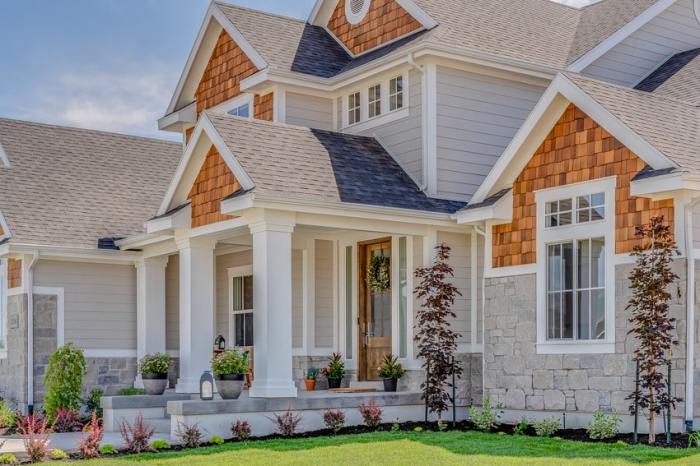
Choosing the right exterior colors for your home is crucial for curb appeal, longevity, and resale value. This involves more than just aesthetics; it’s a strategic decision that considers your home’s environment, maintenance needs, and long-term goals. Understanding how colors interact with your local climate and surroundings is key to making the best choices.
Considering Local Climate and Environment
Exterior colors significantly react to the local climate. A light color in a high-sun area might fade faster than a darker shade. Conversely, a dark color in a rainy region could absorb and retain more heat, potentially leading to issues with condensation. Researching the typical weather patterns, sunlight exposure, and precipitation levels in your area is essential for selecting appropriate colors.
For instance, a region with high UV exposure might benefit from lighter siding colors to reflect sunlight and reduce heat absorption.
Impact of Sunlight and Shadow on Color Perception
Sunlight and shadows drastically alter how colors appear on your home. A color that looks perfect in the shade might appear too intense or muted in direct sunlight. Testing paint samples in various locations on your home, including areas exposed to different light conditions, is highly recommended. This hands-on approach allows you to visualize how the colors interact with natural light throughout the day.
Consider how shadows fall across your home and how that might impact the overall aesthetic.
Using Samples to Visualize Color Combinations
Visualizing color combinations is vital for a successful exterior design. Obtain paint samples in the desired colors and apply them to a section of your home’s siding or a similar surface. This allows you to see how the colors interact with each other and your home’s architecture. Compare the colors in different lighting conditions. A crucial aspect is to observe the color samples at different times of the day and under varying weather conditions to ensure they meet your expectations.
Enhancing Curb Appeal and Home Value
Color choices play a significant role in your home’s curb appeal and, potentially, its resale value. Neutral colors tend to appeal to a broader range of buyers, while bolder colors can add personality and style. However, consider the overall neighborhood aesthetic when selecting colors. Harmony with surrounding homes is crucial to avoid an out-of-place appearance. A carefully chosen color palette can significantly enhance your home’s visual appeal and make it stand out from the crowd.
Factors to Consider When Choosing Colors
| Factor | Description | Example |
|---|---|---|
| Cost | Siding, roof, and trim materials vary in price. Consider the initial investment and long-term maintenance costs. | Higher-end materials might cost more upfront but could have lower maintenance needs over time. |
| Maintenance | Different colors and materials have varying levels of maintenance. For example, some colors might fade more quickly or require more frequent cleaning. | Darker colors might attract more dirt and require more cleaning. |
| Sustainability | Consider the environmental impact of your choices. Look for materials with low VOCs (volatile organic compounds) and recycled content. | Using recycled materials can reduce your home’s environmental footprint. |
| Durability | The lifespan of your siding, roof, and trim is dependent on material quality and exposure to the elements. | Certain types of siding are more resistant to weathering. |
| Architectural Style | Color choices should complement the architectural style of your home. A contemporary home might benefit from bold colors, while a traditional home could benefit from more neutral tones. | Consider the historical period and architectural style of your home. |
Visual Examples and Inspiration
Transforming your home’s exterior from ordinary to extraordinary hinges on the skillful interplay of siding, roof, and trim colors. This section delves into practical visual examples, showcasing successful color combinations and the principles behind them. Effective color choices create a harmonious and aesthetically pleasing facade, significantly impacting the curb appeal and overall value of your property.Visual appeal is paramount in exterior design.
Understanding how different color palettes and combinations affect the perceived aesthetics of a home is crucial. This knowledge allows homeowners to make informed decisions, maximizing the impact of their home’s exterior. This exploration will guide you through diverse examples, emphasizing the importance of cohesive color choices for a visually stunning and inviting home.
Successful Siding, Roof, and Trim Color Combinations
Understanding the visual impact of different color combinations is crucial for creating a cohesive and appealing exterior design. The right palette can elevate a home’s aesthetic, while the wrong one can detract from its overall appeal. Consider the surrounding environment and architectural style when selecting your colors.
| Color Combination | Description | Visual Impact |
|---|---|---|
| Warm Neutrals: Beige Siding, Dark Gray Shingles, Light Gray Trim | This combination exudes a classic, timeless appeal. The warm beige siding creates a welcoming atmosphere, while the dark gray shingles provide a sense of sophistication and depth. The light gray trim acts as a subtle, unifying element, creating a harmonious look. | Creates a sophisticated and inviting exterior, suitable for various architectural styles. The contrast between the warm and cool tones provides a balanced visual effect. |
| Bold Contrasts: Deep Red Siding, Charcoal Gray Shingles, White Trim | This combination creates a striking and modern aesthetic. The bold deep red siding stands out, while the charcoal gray shingles provide a strong backdrop. The crisp white trim adds a touch of elegance and visually separates the siding and roof. | This bold combination makes a statement, ideal for contemporary or modern homes. The high contrast draws the eye, making the home stand out from its surroundings. |
| Subtle Accents: Light Gray Siding, Slate Gray Shingles, Dark Gray Trim | This combination emphasizes subtle nuances in color. The light gray siding provides a neutral backdrop, while the slate gray shingles offer a slightly deeper tone, creating a subtle depth. The dark gray trim acts as a sophisticated accent, further enhancing the design. | This combination provides a refined and elegant appearance. The subtle differences in shades maintain a sense of unity, making it suitable for a wide range of architectural styles. |
| Coastal Charm: Light Beige Siding, Light Gray Shingles, White Trim | This combination evokes a relaxed and coastal aesthetic. The light beige siding promotes a sense of warmth, while the light gray shingles add a touch of sophistication. The white trim provides a clean and crisp contrast. | This combination is ideal for homes in coastal areas or those seeking a light and airy aesthetic. The soft colors create a serene and inviting ambiance. |
Color Palettes and Cohesion
Color palettes are essential in creating a cohesive exterior design. A well-chosen palette can elevate the visual appeal of a home, while a poorly chosen one can diminish its impact. Consider the relationship between colors and how they interact with each other. The overall impression is a combination of the colors and the way they interact with one another.A carefully curated palette, with thoughtful consideration of the home’s architecture and surrounding environment, is key to creating an attractive and lasting exterior design.
The colors chosen should work together to create a unified and harmonious look.
Visual Impact of Color Combinations
The visual impact of color combinations extends beyond aesthetics. Certain combinations can evoke specific moods and feelings. For example, warm colors like reds and oranges can create a sense of warmth and energy, while cool colors like blues and greens can evoke a sense of calmness and tranquility. Color combinations play a critical role in setting the tone and atmosphere of a home’s exterior.The interplay of light and shadow, as well as the interplay of colors with the surrounding environment, significantly influence the visual impact.
This creates a dynamic relationship between the home and its surroundings.
Epilogue
In conclusion, achieving a stunning home exterior involves careful consideration of siding, roof, and trim colors. This guide has provided a framework for navigating the complexities of color theory, architectural styles, and practical factors. Remember, the key is to create visual harmony, complementing colors, and choosing materials that reflect your personal style and enhance your home’s unique character.
With the right combination of knowledge and a touch of creativity, you can transform your home’s exterior into a true reflection of your vision.
Ultimately, selecting the right siding, roof, and trim colors is a journey of aesthetic exploration. Armed with the insights shared here, you’re well-equipped to make informed choices that enhance your home’s value, curb appeal, and overall visual impact. Now go forth and create the exterior of your dreams!