Living Room Decor Ideas explores the art of creating a welcoming and stylish living space. This guide delves into various aspects of living room design, from selecting the perfect color palette to strategically arranging furniture and incorporating personal touches. We’ll cover diverse design styles, lighting techniques, and the use of decorative accessories to help you craft a living room that reflects your unique personality and taste.
Whether you prefer a minimalist aesthetic or a bohemian haven, we provide practical advice and inspiring ideas to transform your living room into a haven of comfort and style.



We will examine how color palettes dramatically influence the atmosphere, exploring three distinct styles: modern, traditional, and bohemian. Furniture arrangement will be explored through five different layouts, highlighting space optimization techniques. We’ll also illuminate the importance of lighting, showcasing three distinct lighting schemes and emphasizing the mood-setting power of light temperature. Finally, we’ll discuss incorporating personal touches, creating a focal point, and utilizing textiles and accessories to complete your unique design vision.
Living Room Color Palettes: Living Room Decor Ideas
Choosing the right color palette for your living room is crucial in setting the desired mood and ambiance. The colors you select will significantly impact the overall feel of the space, influencing everything from how relaxed you feel to how energized you are. Careful consideration of color psychology and your personal style is key to creating a living room that is both aesthetically pleasing and functionally comfortable.
Modern Living Room Color Palette
This palette emphasizes clean lines and a sense of spaciousness, typical of modern design. It utilizes a neutral base with pops of bold color for visual interest.
| Color Name | Hex Code | Description | Mood |
|---|---|---|---|
| Agreeable Gray (Sherwin-Williams) | #99A3A4 | A versatile, soft gray that works as a perfect neutral backdrop. | Calm, sophisticated, versatile. |
| Naval (Benjamin Moore) | #22475A | A deep, rich navy blue that adds a touch of drama and sophistication. | Serene, dramatic, sophisticated. |
| White on White (Benjamin Moore) | #F2F2F2 | A crisp, clean white for accents and trim, providing contrast. | Clean, airy, bright. |
This palette creates a calming and sophisticated atmosphere, ideal for a modern living room. The Agreeable Gray provides a neutral base, while the Naval adds a touch of drama, and the White on White provides brightness and contrast.
Traditional Living Room Color Palette
This palette evokes a sense of warmth, comfort, and timeless elegance. It uses warm, earthy tones and often incorporates rich textures.
| Color Name | Hex Code | Description | Mood |
|---|---|---|---|
| Creamy White (Sherwin-Williams) | #FAF0E6 | A warm, off-white that creates a cozy and inviting atmosphere. | Warm, inviting, cozy. |
| Chelsea Gray (Benjamin Moore) | #95A1A9 | A sophisticated gray with warm undertones, adding depth and richness. | Elegant, sophisticated, calming. |
| Deep Reddish Brown (Pantone) | #8B4513 | A deep, rich brown used as an accent color for furniture or décor. | Warm, grounding, rich. |
This palette creates a warm and inviting atmosphere, perfect for a traditional living room. The Creamy White base is complemented by the sophisticated Chelsea Gray and the grounding Deep Reddish Brown accents.
Bohemian Living Room Color Palette
This palette is characterized by vibrant colors, eclectic patterns, and a relaxed, free-spirited feel. It often incorporates natural textures and global influences.
| Color Name | Hex Code | Description | Mood |
|---|---|---|---|
| Warm White (Sherwin-Williams) | #F5F5DC | A warm, slightly off-white that provides a neutral base for bolder colors. | Warm, inviting, neutral. |
| Terracotta (Pantone) | #E2725B | A warm, earthy red-brown that adds vibrancy and texture. | Vibrant, earthy, warm. |
| Deep Teal (Benjamin Moore) | #008080 | A rich, jewel-toned teal that adds depth and contrast. | Rich, sophisticated, calming. |
This palette creates a vibrant and eclectic atmosphere, perfect for a bohemian living room. The Warm White base allows the Terracotta and Deep Teal to stand out, creating a lively and inviting space.
Furniture Arrangement & Layout
Creating a functional and aesthetically pleasing living room depends heavily on thoughtful furniture arrangement. The size and shape of your room, along with the number and size of your furniture pieces, will significantly influence the best layout. Below, we explore five different arrangements suitable for an average-sized living room (15×15 feet), considering flow, functionality, and visual appeal.
Five Furniture Arrangement Ideas for a 15×15 Foot Living Room
The following arrangements offer diverse options to suit different preferences and lifestyles. Each considers the placement of a sofa, armchairs, coffee table, and other essential furniture pieces within a 15×15-foot space. Consider your personal needs and the overall style of your living room when making your selection.
- Arrangement 1: Classic Conversational Grouping: This arrangement centers around a sofa positioned against a wall, with two armchairs facing the sofa, creating a comfortable conversation area. A coffee table sits in the center of this grouping. A media console or entertainment center can be placed on the opposite wall. This layout is straightforward and maximizes conversational flow.
- Arrangement 2: Symmetrical Layout: Two matching sofas are placed facing each other across the room, with a coffee table in the center. This creates a formal and balanced feel, ideal for larger gatherings. Two armchairs can flank each sofa to increase seating capacity. This arrangement excels in creating a balanced and visually appealing space but can feel less intimate for everyday use.
- Arrangement 3: Open and Airy Layout: This arrangement utilizes lighter furniture and avoids overcrowding. A single sofa is placed against a wall, with armchairs positioned at an angle, creating a relaxed and open feel. A smaller coffee table or ottomans are used to maintain a sense of spaciousness. This layout prioritizes a sense of openness and is excellent for smaller rooms or those with limited furniture.
- Arrangement 4: Zoned Layout: This arrangement divides the living room into distinct zones for conversation and relaxation. A sofa and armchairs form a conversational area, while a separate seating area with an armchair and a floor lamp is created near a window. This layout caters to various activities and offers flexibility. It works well in larger rooms, allowing for defined areas without feeling cramped.
- Arrangement 5: Focus on a Focal Point: This arrangement prioritizes a specific focal point, such as a fireplace or a large window. The sofa is placed directly facing the focal point, with armchairs arranged around it. This creates a visually appealing and functional space that draws the eye to a specific area. This arrangement is effective in drawing attention to a room’s key feature, enhancing its overall impact.
Utilizing an L-Shaped Sofa to Maximize Space and Create Distinct Seating Areas
An L-shaped sofa is an excellent space-saving solution for a 15×15 foot living room, particularly when aiming to create separate seating areas. Imagine placing the longer portion of the L-shaped sofa against one wall, forming a comfortable seating area. The shorter portion of the L can then be positioned to create a distinct area, perhaps facing a window or fireplace.
A coffee table can be placed within the “L” shape, serving both seating areas. Adding a couple of armchairs in the open space of the room completes the arrangement. This layout efficiently uses space while providing distinct zones for conversation and relaxation. The visual impact is one of defined yet connected spaces, creating a dynamic and functional living room.
Lighting Design & Ambiance
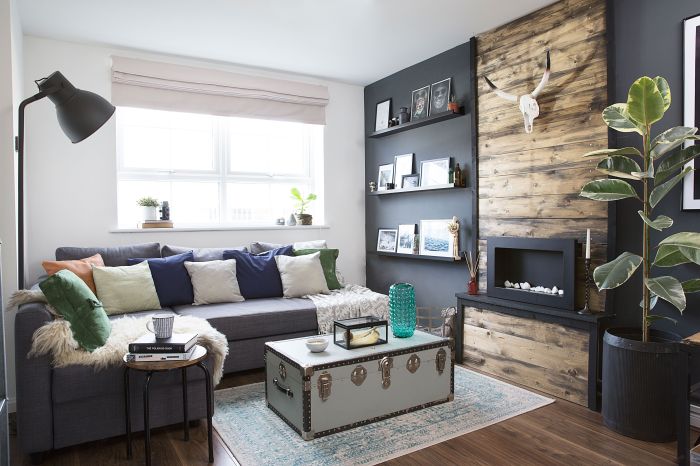
Effective lighting is paramount in creating a welcoming and functional living room. It’s not simply about illuminating the space; it’s about layering light to enhance the room’s atmosphere, highlight architectural features, and support various activities. By carefully considering the type, placement, and temperature of your lighting, you can transform your living room from a simple space into a truly inviting haven.
Three Lighting Schemes for a Living Room
Creating a well-lit living room involves combining three types of lighting: ambient, task, and accent. Each serves a distinct purpose, and a balanced approach using all three ensures both functionality and visual appeal. Below are three different lighting schemes illustrating this principle.
- Scheme 1: Modern Minimalist: Ambient lighting is provided by recessed LED downlights throughout the ceiling, offering even illumination. Task lighting is achieved with a sleek, adjustable floor lamp positioned beside the sofa for reading. Accent lighting is provided by a single, stylish pendant light above a coffee table, highlighting the area and creating a focal point.
- Scheme 2: Warm and Traditional: Ambient lighting is created with a large, central chandelier, providing soft, diffused light. Task lighting is offered through table lamps on side tables flanking a sofa, perfect for reading or engaging in quiet activities. Accent lighting comes from strategically placed wall sconces, highlighting artwork or architectural details.
- Scheme 3: Eclectic and Layered: Ambient lighting is a combination of recessed lighting and a statement floor lamp in a contrasting style. Task lighting consists of flexible desk lamps on side tables, providing focused illumination for various tasks. Accent lighting includes track lighting focused on specific art pieces or shelves, along with small, decorative lamps scattered throughout the room.
Impact of Lighting Temperature on Mood and Atmosphere
The color temperature of light, measured in Kelvin (K), significantly influences the mood and atmosphere of a space. Warm light (2700K-3000K) is associated with feelings of comfort, relaxation, and intimacy. It creates a cozy and inviting atmosphere, ideal for relaxation and socializing. Cool light (5000K-6500K), on the other hand, feels more energizing and stimulating, often preferred in workspaces. Neutral light (3500K-4100K) strikes a balance, offering a versatile option suitable for a variety of activities and moods.
Consider the overall feeling you wish to evoke when choosing your light sources. For instance, a living room designed for relaxation might benefit from predominantly warm lighting, while a living room used for both relaxation and entertaining might use a combination of warm and neutral tones.
Living Room Lighting Plan Incorporating Natural Light, Floor Lamps, Table Lamps, and Recessed Lighting
This lighting plan prioritizes natural light while strategically employing artificial light sources to complement and enhance it.Natural light plays a significant role, acting as the primary ambient light source during the day. Large windows, ideally facing south or west for optimal sunlight, are essential. During the evening, recessed lighting provides consistent, even ambient illumination throughout the room. These are strategically placed to avoid harsh shadows and ensure uniform brightness.
Floor lamps, positioned near seating areas, offer focused task lighting ideal for reading or other close-up activities. Finally, table lamps placed on side tables next to seating areas provide additional task lighting and contribute to a warm and inviting ambiance. The placement of these elements considers the room’s layout, furniture arrangement, and desired focal points. For example, a floor lamp might be placed beside a comfortable armchair to provide ample light for reading, while table lamps could flank a sofa to create a balanced and inviting atmosphere.
The interplay of these different light sources ensures both functionality and a pleasing aesthetic, adapting to the changing needs and moods of the space throughout the day.
Decorative Accessories & Textiles
The right accessories and textiles can transform a living room from ordinary to extraordinary. They add personality, warmth, and visual interest, tying together the overall design scheme and creating a space that reflects your individual style. Carefully chosen decorative elements can elevate the mood and functionality of the room, enhancing both its aesthetic appeal and comfort.
Selecting the appropriate accessories and textiles involves considering both the overall style of your living room and the practical needs of the space. The interplay of color, texture, and pattern creates a layered effect, adding depth and visual richness. The following sections will explore essential accessories, the importance of texture, and how these elements can be incorporated into various design styles.
Five Essential Decorative Accessories for a Living Room
These five accessories offer a balanced approach to enhancing a living room’s aesthetic appeal and functionality:
- Area Rug: An area rug defines the space, anchors furniture, and adds warmth and texture underfoot. A large rug can visually expand a small room, while a smaller rug can delineate a conversation area within a larger space. Consider materials like wool for warmth or jute for a natural, textural element.
- Throws and Pillows: These provide comfort and introduce pops of color and texture. They are easily interchangeable, allowing you to update the look of your living room seasonally or to reflect changing moods. Experiment with different materials like plush velvet, soft linen, or chunky knit wool.
- Curtains or Drapes: These control light, add privacy, and contribute significantly to the overall aesthetic. Floor-length curtains can create a sense of elegance and sophistication, while shorter curtains can add a more casual feel. Consider the fabric weight and pattern to complement the existing décor.
- Artwork or Wall Decor: This adds personality and visual interest to the walls. Choose pieces that reflect your personal style and complement the color palette of the room. This could include paintings, photographs, tapestries, or even a collection of decorative plates.
- Plants: Adding greenery brings life and vibrancy to the space. Plants can soften hard lines, purify the air, and add a touch of nature to even the most modern living room. Consider a mix of sizes and types for a visually interesting display.
The Use of Different Textures in Textiles
The strategic use of different textile textures is key to creating a visually engaging and comfortable living room. The interplay of textures adds depth and dimension, preventing the space from feeling flat or monotonous.
For example, the softness of a velvet throw pillow contrasts beautifully with the crispness of a linen cushion cover. A chunky knit wool throw draped over a sofa adds visual weight and warmth, while a smooth silk scarf casually placed on a coffee table introduces a touch of elegance. Similarly, a plush shag rug provides a luxurious feel underfoot, in contrast to the natural texture of a jute rug.
This variety of textures provides both visual and tactile interest, enhancing the overall sensory experience of the room.
Decorative Accessories and Textiles by Style Category
The following examples illustrate how decorative accessories and textiles can be used to create three distinct living room styles:
Minimalist Style, Living Room Decor Ideas
- Neutral-toned linen throw pillows in simple geometric patterns.
- A low-pile, natural fiber rug in a neutral color.
- Simple, unadorned curtains in a light, neutral fabric.
- One or two carefully selected pieces of minimalist artwork.
- A single, sculptural plant in a simple pot.
Maximalist Style
- A richly patterned area rug with a variety of colors and textures.
- A collection of throw pillows in different colors, patterns, and textures (velvet, silk, cotton).
- Heavy, luxurious drapes in a bold print or color.
- A gallery wall with a diverse collection of artwork and framed prints.
- Multiple plants of varying sizes and types.
Eclectic Style
- A mix of patterned and textured throw pillows (e.g., a bohemian-style kilim pillow, a velvet pillow with embroidery, a linen pillow with a geometric pattern).
- A vintage or antique rug with unique character and imperfections.
- Curtains or drapes in a bold color or pattern, possibly layered with sheer curtains.
- A curated collection of artwork and decorative objects from various styles and periods.
- A mix of plants, including both leafy greens and flowering plants.
Incorporating Personal Touches & Style
Infusing your living room with personal touches transforms a generic space into a warm, inviting reflection of your unique personality and experiences. By thoughtfully incorporating cherished items and stylistic elements, you can create a truly one-of-a-kind environment that feels authentic and comfortable. This process allows you to express your individuality and create a living room that speaks volumes about who you are.
Incorporating Personal Collections
Integrating personal collections, such as artwork, photographs, and travel souvenirs, adds depth and character to your living room design. These items serve as conversation starters and visual reminders of cherished memories and experiences. The key is to display them in a way that enhances the overall aesthetic rather than overwhelming the space. Careful curation and strategic placement are crucial for achieving a balanced and visually appealing result.
Avoid overcrowding; instead, select a few meaningful pieces to showcase.
Three Distinct Interior Design Styles and Their Application
Three popular interior design styles that readily accommodate personal touches are: Bohemian, Minimalist, and Eclectic.Bohemian style embraces a relaxed, layered aesthetic characterized by rich textures, vibrant colors, and global influences. Incorporating personal travel souvenirs, handcrafted textiles, and eclectic artwork seamlessly integrates into this style. Imagine a vibrant rug from Morocco, a collection of masks from your travels, and colorful throw pillows arranged on a comfortable sofa.Minimalist style prioritizes clean lines, simplicity, and functionality.
Personal items are carefully curated, emphasizing quality over quantity. A few carefully chosen pieces of artwork or photographs displayed on a minimalist gallery wall would complement this style. The focus is on highlighting the inherent beauty of the items themselves and their strategic placement within the uncluttered space.Eclectic style celebrates a mix of styles, eras, and influences. It’s the perfect canvas for showcasing diverse personal collections.
A vintage record player alongside modern artwork, a family heirloom mixed with contemporary furniture—these diverse elements coexist harmoniously in an eclectic living room. The unifying factor is a cohesive color palette or a consistent design theme that ties the disparate pieces together.
Displaying Personal Items in a Visually Appealing and Organized Manner
To prevent clutter while showcasing personal items, consider these display strategies:
- Gallery Walls: Create a curated gallery wall featuring framed photographs, artwork, and smaller souvenirs. Maintain a consistent frame style and color palette for visual harmony.
- Shelving Units: Utilize shelving units to display collections strategically. Group similar items together, leave some negative space, and vary the height and arrangement of objects for visual interest. Avoid overcrowding shelves.
- Coffee Table Books: Stack coffee table books featuring your favorite photography, art, or travel destinations. This adds visual interest and a personal touch to your coffee table while keeping the surface uncluttered.
Creating a Focal Point
A well-defined focal point is crucial for a visually appealing and balanced living room. It anchors the space, draws the eye, and provides a sense of purpose and direction. Without a focal point, the room can feel disjointed and lack visual interest. Strategically placing a focal point enhances the overall design and creates a more cohesive and inviting atmosphere.
Focal Point Creation Methods
Five distinct approaches can be employed to establish a visually compelling focal point within a living room. These methods involve leveraging furniture, artwork, or inherent architectural features to create a captivating center of attention. Consider the existing architecture and your desired aesthetic when selecting a focal point.
- A striking piece of artwork: A large, captivating painting or sculpture immediately draws the eye and becomes the room’s natural focus. Consider the artwork’s scale, color palette, and style to ensure it complements the overall design. For example, a vibrant abstract painting above a minimalist sofa can create a stunning contrast, while a large landscape painting can bring a sense of tranquility to a more traditional setting.
- A statement fireplace: A fireplace naturally commands attention, especially if it features unique architectural details or a striking mantelpiece. The fireplace acts as the central element, and furniture is arranged around it to enhance its prominence. A modern, minimalist fireplace can be the focal point in a contemporary living room, whereas an ornate antique fireplace can be the centerpiece of a traditional space.
- An eye-catching furniture piece: A large, uniquely designed sofa, an antique armoire, or a dramatic chaise lounge can all serve as powerful focal points. The piece should be visually striking and positioned strategically within the room. For instance, a vibrant velvet sofa in a contrasting color can be the focal point, particularly when placed against a neutral backdrop. The surrounding décor should complement the statement piece, not compete with it.
- A large window with a captivating view: If your living room boasts a large window showcasing a beautiful landscape, garden, or cityscape, make it the star of the show. Arrange furniture to face the window, maximizing the view and drawing attention to it. Consider using sheer curtains or blinds to control light and privacy while still allowing the view to remain prominent.
- Architectural features: Incorporate existing architectural features such as a built-in bookshelf, a unique ceiling detail, or a dramatic archway as the focal point. Highlight the feature with lighting, paint color, or other decorative elements to draw attention to its inherent beauty and character. For instance, a recessed alcove can be transformed into a focal point by installing accent lighting and displaying cherished objects.
Using a Fireplace as a Focal Point
A fireplace naturally becomes the heart of the living room. To enhance its prominence as a focal point, consider adding a statement mantelpiece with decorative objects, such as candles, vases, or framed photographs. Arrange seating to face the fireplace, creating a cozy and inviting atmosphere. The fireplace’s surrounding wall can be painted a complementary color or adorned with artwork to further emphasize its importance.
Adequate lighting, such as sconces flanking the fireplace, will highlight its architectural details and create a warm ambiance.
Using a Large Window as a Focal Point
A large window offering a stunning view should be celebrated as the living room’s focal point. Place seating to directly face the window, allowing occupants to fully appreciate the vista. Use sheer curtains or blinds to control light and privacy without obstructing the view. Consider adding plants or other decorative elements on the windowsill to further enhance the space.
The window itself can become a work of art, requiring minimal additional embellishments.
Using a Statement Furniture Piece as a Focal Point
A statement piece of furniture—a richly upholstered sofa, a dramatic armchair, or an antique chest—can anchor the living room and draw the eye. Position the piece strategically, allowing ample space around it to showcase its unique design. The surrounding décor should complement, not compete with, the statement piece. Careful consideration of scale and proportion is crucial; a small statement piece might get lost in a large room, while an oversized piece can overwhelm a smaller space.
The right lighting can also dramatically enhance the piece’s impact.
Impact of a Well-Defined Focal Point
A well-defined focal point significantly impacts the overall balance and visual harmony of the living room. It provides a sense of order and direction, preventing the space from feeling cluttered or chaotic. It creates a visual anchor, drawing the eye and guiding the flow of movement through the room. A strategically placed focal point establishes a hierarchy within the space, emphasizing certain elements while subtly downplaying others, contributing to a more cohesive and aesthetically pleasing design.
It ultimately creates a more inviting and comfortable living space.