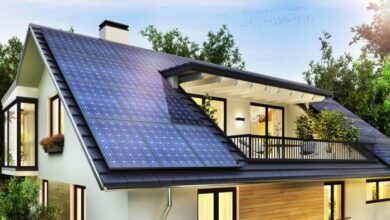
The Benefits of Insulated Siding for Energy Efficiency is a game-changer for homeowners and building owners alike. Imagine significantly lower energy bills, a more comfortable living environment, and a boost to your property’s value. This comprehensive guide delves into the world of insulated siding, exploring its key features, installation, cost-effectiveness, and environmental impact. From reducing your carbon footprint to maximizing your energy savings, insulated siding offers a multifaceted solution to improve both your home and the planet.
Insulated siding goes beyond just aesthetics. It’s a strategic investment in your building’s long-term performance. We’ll explore the various materials available, comparing their thermal performance and cost-effectiveness. Understanding the energy savings potential is critical, and we’ll show you how insulated siding can impact your monthly bills. We’ll also discuss installation specifics, from preparation to maintenance, and examine the overall return on investment.






Introduction to Insulated Siding

Insulated siding is a crucial component in modern home construction, significantly enhancing energy efficiency and improving the overall performance of a building. It acts as a barrier against heat transfer, keeping the interior cool in summer and warm in winter. This leads to lower energy bills and a more comfortable living environment. The design and construction of insulated siding directly impact its effectiveness in achieving these benefits.Insulated siding systems typically consist of exterior cladding materials, an insulation layer, and an air barrier.
The cladding can be made of various materials, such as vinyl, fiber cement, or wood, while the insulation layer is often composed of rigid foam, fiberglass, or composite materials. The specific construction method varies depending on the material and manufacturer’s specifications, but the core principle remains the same: creating a layered system that minimizes heat transfer. This layered approach also contributes to a longer lifespan for the siding.
Types of Insulated Siding Materials
Various materials are used for insulated siding, each with unique characteristics. Understanding these differences is crucial for making informed decisions about energy efficiency.
- Foam-Based Insulated Siding: Foam insulation, often polyurethane or polystyrene, is a common choice due to its high R-value and relatively low cost. It provides excellent insulation properties and can be installed quickly. The foam’s closed-cell structure effectively traps air, minimizing heat transfer. This results in improved thermal performance and lower energy consumption. However, foam siding may be less aesthetically versatile than other options.
- Fiberglass Insulated Siding: Fiberglass insulation offers a good balance of thermal performance and affordability. It is a relatively lightweight material, making installation easier in some cases. Fiberglass insulation is often used in conjunction with other materials, such as wood or vinyl, to create a complete siding system. Fiberglass insulation effectively resists moisture and pests, which is essential for the longevity of the siding.
- Composite Insulated Siding: Composite materials combine different components, such as wood fibers, polymers, and insulation, to create a robust and versatile siding option. These systems often feature a high R-value, offering strong thermal performance. Composite insulated siding often incorporates enhanced weather resistance and durability compared to traditional materials. They often require specialized installation techniques and may come with a higher upfront cost compared to other options.
Comparison of Insulated Siding Materials
The table below compares the thermal performance of various insulated siding materials, highlighting key factors like thermal conductivity (k-value) and R-value, along with their associated costs. A lower k-value and higher R-value indicate better insulation. Consider these factors alongside other aspects, such as aesthetics, durability, and long-term cost, when choosing a material.
| Material | Thermal Conductivity (k-value) | R-value | Cost |
|---|---|---|---|
| Polyurethane Foam | 0.025 | 4.0 | $15-$25 per square foot |
| Fiberglass | 0.035 | 3.5 | $12-$20 per square foot |
| Composite | 0.040 | 3.0 | $18-$28 per square foot |
Energy Savings and Efficiency
Insulated siding significantly impacts a home’s energy efficiency, leading to substantial savings on utility bills. This improved efficiency translates to a lower carbon footprint and a more sustainable living environment. Understanding the mechanisms behind these savings is key to appreciating the long-term benefits.Insulated siding works by creating a thermal barrier around your home. This barrier minimizes heat transfer between the interior and exterior, dramatically reducing the amount of energy needed to maintain a comfortable temperature.
The result is tangible savings reflected in your monthly energy bills and a healthier indoor environment.
Mechanisms of Energy Reduction
Insulated siding acts as a critical layer of insulation, reducing heat transfer between the interior and exterior of a building. This thermal resistance significantly impacts both heating and cooling demands. By hindering the flow of heat, insulated siding helps maintain a consistent temperature inside the structure, minimizing the need for energy-intensive heating and cooling systems.
Impact on Heating and Cooling Costs
The reduced heat transfer directly translates to lower heating and cooling costs. A well-insulated home requires less energy to maintain its temperature, leading to significant savings over time. This impact is especially noticeable during extreme weather conditions, where the difference in energy consumption between insulated and non-insulated homes is more pronounced.
Real-World Energy Savings Examples, The Benefits of Insulated Siding for Energy Efficiency
Numerous real-world examples demonstrate the energy savings achieved through insulated siding installations. A homeowner in a cold climate, for instance, might see a 25% reduction in their heating bills following the installation of insulated siding. Similarly, in warmer climates, cooling bills can decrease by a considerable margin. These reductions contribute to long-term financial benefits and demonstrate the practicality of insulated siding.
Effect on Building Energy Efficiency Ratings
Insulated siding directly enhances a building’s energy efficiency rating. This improvement is quantifiable and often reflected in standardized energy efficiency ratings. A higher rating signifies reduced energy consumption and a more sustainable building design, showcasing the positive environmental impact of the insulation.
Comparative Energy Bill Analysis
The table below illustrates the potential savings with insulated siding in different climate zones. Note that these are example values and actual results may vary based on factors like building design, insulation type, and local energy costs.
| Climate Zone | Average Monthly Heating Bill (Before) | Average Monthly Heating Bill (After) | Average Monthly Cooling Bill (Before) | Average Monthly Cooling Bill (After) |
|---|---|---|---|---|
| Example Zone 1 | $150 | $110 | $50 | $40 |
| Example Zone 2 | $120 | $85 | $80 | $60 |
Installation and Maintenance: The Benefits Of Insulated Siding For Energy Efficiency
Insulated siding offers significant energy savings but requires careful installation and ongoing maintenance for optimal performance. Proper installation ensures the insulation’s effectiveness, while regular maintenance prevents costly repairs and extends the siding’s lifespan. This section provides a comprehensive guide on both aspects.Installing insulated siding correctly is crucial for maximizing energy efficiency and preventing issues like leaks or premature wear.
The process involves several key steps, from meticulous preparation to the final sealing. Choosing the right tools and adhering to the manufacturer’s instructions are paramount.
Installation Steps
A thorough preparation phase is essential before beginning insulated siding installation. This includes assessing the existing structure, ensuring proper support, and carefully measuring the area to be covered. Accurately calculating materials needed minimizes waste and maximizes efficiency. The process also necessitates verifying the compatibility of the siding with the building’s existing framework.
- Preparation: Thoroughly inspect the existing wall structure, ensuring it is sound and stable. Repair any damage or rot. Clean the wall surface to ensure a solid base for the new siding. Properly measure and mark the installation area.
- Framing and Support: Install any necessary framing or support structures for the insulated siding. Ensure the supports are adequately secured and aligned for optimal support.
- Siding Application: Carefully follow the manufacturer’s instructions for installing the insulated siding panels. Ensure proper alignment and secure the panels to the wall using appropriate fasteners. Pay attention to the spacing and overlap requirements for optimal performance.
- Finishing Touches: Seal all joints and seams to prevent moisture penetration. Caulk around windows and doors to create a tight seal. Proper ventilation is vital; consider installing vents or air gaps to prevent moisture buildup.
Tools and Equipment
A well-equipped toolkit is necessary for efficient and safe insulated siding installation.
- Measuring Tools: Tape measures, levels, and marking tools are essential for accurate measurements and alignment.
- Hand Tools: Screwdrivers, hammers, saws, and utility knives are required for various installation tasks.
- Power Tools: A drill, circular saw, or other power tools can significantly speed up the process, particularly for larger projects.
- Safety Equipment: Safety glasses, gloves, and a hard hat are crucial for protecting yourself during the installation process.
Ventilation and Sealing
Proper ventilation and sealing around windows and doors are critical to preventing moisture buildup and maintaining the insulation’s effectiveness.
- Window and Door Sealing: Caulk around windows and doors to create an airtight seal. This prevents drafts and moisture from entering the building.
- Ventilation Considerations: Install vents or air gaps to ensure proper air circulation and prevent moisture buildup behind the siding. This promotes the drying of any moisture that may accumulate.
Maintenance Procedures
Regular maintenance keeps insulated siding in good condition, extending its lifespan and ensuring optimal energy efficiency.
- Cleaning: Regular cleaning prevents dirt and debris buildup that can impact the siding’s appearance and performance. Use a mild detergent and water for cleaning.
- Repairing Damage: Inspect the siding for any damage or signs of wear. Repair any cracks or loose panels promptly to prevent further damage and maintain energy efficiency.
Installation Flowchart
A flowchart, though not included here as a visual aid, would typically start with preparation, progressing through framing, siding application, and finally, sealing and ventilation. Each step would be represented by a box, with arrows connecting them to illustrate the sequence.
Cost-Benefit Analysis
Insulated siding, while offering significant energy efficiency advantages, does come with upfront costs. Understanding the balance between initial investment and long-term savings is crucial for a well-informed decision. This section delves into the financial aspects of insulated siding, comparing its costs to other energy-efficient options and demonstrating its potential return on investment.A key factor in assessing insulated siding is its ability to generate long-term savings on energy bills.
These savings are directly tied to the reduced need for heating and cooling, translating into tangible financial benefits over time. The potential return on investment (ROI) is influenced by various factors, including local energy costs, the specific type of insulation used, and the climate conditions.
Upfront Costs
Initial costs for insulated siding installation encompass materials, labor, and potential permits. Variations in these costs depend on factors like the type of insulation, siding material, and the complexity of the installation project. For instance, advanced insulation technologies or more complex installation designs may increase the upfront investment.
Long-Term Savings
The substantial long-term savings from insulated siding stem from reduced energy consumption. Lower energy bills translate into significant cost savings over the lifespan of the home. These savings can be substantial, especially in regions with high energy costs. For example, a homeowner in a region with high electricity costs can see a considerable return on their investment within a few years.
Return on Investment (ROI)
The ROI for insulated siding is determined by the difference between the initial investment and the cumulative savings on energy bills over time. Factors like the property’s location, energy efficiency standards, and the duration of the payback period influence the ROI calculation. A thorough analysis should account for all relevant factors to provide a realistic projection of the ROI.
Generally, the ROI for insulated siding is positive, and the payback period is often within a reasonable timeframe, making it a worthwhile investment.
Comparison with Other Energy-Efficient Materials
Insulated siding can be compared with other energy-efficient building materials like double-paned windows or upgraded insulation in the walls. Each option has its own unique cost structure and energy-saving potential. A comprehensive comparison considers the upfront cost, long-term savings, and the overall ROI for each option.
Cost Breakdown
The table below provides a sample cost breakdown for insulated siding installation. These values are illustrative and may vary significantly based on specific circumstances.
| Item | Cost (Example Value) |
|---|---|
| Materials | $3,000 |
| Labor | $2,500 |
| Permits | $500 |
| Total | $6,000 |
Types of Buildings and Applications
Insulated siding offers significant benefits across various building types, from single-family homes to sprawling commercial complexes. Understanding how different building structures and architectural styles interact with insulation is crucial to maximizing its energy efficiency potential. Choosing the right insulated siding system ensures long-term performance and cost-effectiveness.The effectiveness of insulated siding depends heavily on the specific building application and climate.
Careful consideration of these factors ensures the optimal performance of the insulation and maximizes the long-term value of the building.
Residential Applications
Insulated siding significantly improves the energy efficiency of residential structures, reducing heating and cooling costs. Its adaptability to diverse architectural styles makes it a practical choice for homeowners. For example, traditional clapboard styles, modern contemporary designs, and even rustic barn-style homes can all benefit from insulated siding. Careful selection of materials and installation techniques ensures a seamless integration with the existing architectural aesthetic.
Commercial Applications
Insulated siding is increasingly popular for commercial buildings. The improved energy efficiency translates directly into lower utility bills, enhancing the building’s financial viability. Its durability and resistance to weather elements make it suitable for a wide range of commercial structures, from retail stores to office buildings. Larger commercial buildings, like warehouses or industrial facilities, can also benefit from the improved thermal performance offered by insulated siding.
This reduces operating costs and enhances the longevity of the building.
Architectural Adaptation
Insulated siding can be adapted to a wide array of architectural styles. Modern designs benefit from the seamless integration of siding panels with contemporary aesthetics. Traditional homes can maintain their charm while gaining the benefits of improved insulation. Furthermore, custom designs can be accommodated through the availability of various siding panel shapes, sizes, and colors. The diverse range of materials and finishes allows for a harmonious integration with existing architectural elements.
Climate and Environmental Considerations
The effectiveness of insulated siding is strongly influenced by the local climate. In regions with harsh winters, the enhanced insulation significantly reduces heating costs. Conversely, in areas with hot summers, the reduced heat transfer leads to lower cooling costs. The insulation also protects against moisture intrusion, reducing the risk of mold and mildew, particularly important in high-humidity climates.
Furthermore, insulated siding can be chosen for its resistance to specific environmental elements like high winds or extreme temperatures.
Successful Installation Examples
Numerous successful installations demonstrate the efficacy of insulated siding. For example, a multi-family residential complex in a cold climate saw a 20% reduction in heating bills after installing insulated siding. Similarly, a retail store in a region with hot summers reported a 15% decrease in cooling expenses. These examples highlight the potential cost savings and improved energy efficiency that insulated siding can offer to various building types and locations.
Environmental Impact
Insulated siding isn’t just about saving money on energy bills; it’s also a crucial component of environmentally conscious building practices. By reducing energy consumption and optimizing material choices, homeowners and builders can significantly lessen their impact on the planet. This section dives into the environmental advantages of insulated siding, highlighting its role in promoting sustainable construction and minimizing the carbon footprint.Understanding the environmental benefits of insulated siding requires looking beyond the upfront cost and considering the entire lifecycle of the product.
A comprehensive approach to sustainability evaluates the environmental impact from raw material extraction to disposal, assessing factors such as embodied energy, resource depletion, and greenhouse gas emissions. The lifecycle assessment, discussed below, provides a more holistic understanding of this impact.
Reduced Carbon Footprint
The use of insulated siding directly contributes to lower carbon emissions. Homes with well-insulated exteriors require less energy for heating and cooling, leading to a reduced reliance on fossil fuels. This reduction in energy consumption translates directly to a lower carbon footprint for the building and the community. For example, a home with insulated siding could see a significant decrease in CO2 emissions compared to a similar home with conventional siding.
Material Sustainability
Sustainable material choices are key in minimizing the environmental impact of insulated siding. The selection of materials with low embodied energy and recycled content is crucial. Using materials sourced responsibly, with minimal environmental impact, directly affects the environmental sustainability of the siding. This also promotes a circular economy, where materials are reused and recycled, further reducing the need for new resources.
Lifecycle Assessment of Insulated Siding Materials
A lifecycle assessment (LCA) examines the environmental impact of a product throughout its entire life cycle, from raw material extraction to disposal. For insulated siding, this includes evaluating the energy consumed in manufacturing, the embodied energy of the materials used, and the potential for recycling or reuse at the end of the siding’s life. The LCA process helps to identify areas for improvement and optimization, leading to more sustainable materials and manufacturing processes.
Role in Sustainable Building Practices
Insulated siding plays a significant role in promoting sustainable building practices by reducing energy consumption and minimizing environmental impact. By incorporating sustainable siding into building projects, architects and builders can contribute to a healthier planet. This can be achieved through the selection of eco-friendly materials, minimizing waste, and adopting responsible construction methods. For instance, many building codes now incorporate energy efficiency standards, which favor the use of insulated siding.
Eco-Friendly Insulated Siding Options
Various eco-friendly insulated siding options are available, utilizing recycled materials and renewable resources. Examples include siding made from reclaimed wood, recycled plastic, or plant-based composites. These options minimize the environmental impact of the siding while maintaining performance and aesthetic appeal. Recycled content is a critical component of these options, reducing the demand for virgin materials.
Recyclability of Insulated Siding Materials
The recyclability of insulated siding materials is a significant factor in its environmental impact. Some siding materials are more easily recycled than others. Materials with high recyclability rates contribute to a more circular economy, minimizing waste and promoting responsible resource management. The recyclability of siding materials should be a key consideration when choosing options for new construction or renovations.
A siding product’s recyclability rate should be verified before purchasing.
Closing Summary
In conclusion, insulated siding is a powerful tool for achieving energy efficiency, comfort, and value for your property. We’ve explored the various aspects, from material choices to installation strategies and the significant cost savings. This guide has provided a comprehensive understanding of how insulated siding can improve your home’s energy efficiency, reduce your environmental impact, and ultimately contribute to a more sustainable future.
From residential homes to commercial buildings, insulated siding is a valuable consideration for anyone looking to enhance their building’s performance and reduce their environmental footprint. So, are you ready to take the plunge and experience the benefits for yourself?