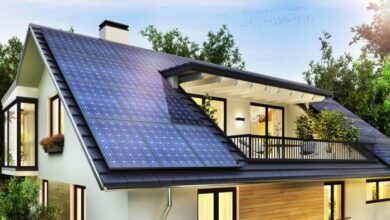
The Role of Siding in Home Insulation and Energy Savings is crucial for maximizing your home’s energy efficiency. Choosing the right siding material, along with proper installation and maintenance, can significantly impact your heating and cooling costs, leading to substantial long-term savings. Understanding the interplay between siding, insulation, and overall thermal performance is key to making informed decisions for your home’s future.
This exploration dives deep into the different siding types, their thermal properties, and how they contribute to a more energy-efficient home.





From wood to vinyl to fiber cement, each siding material possesses unique thermal conductivity characteristics. This detailed analysis delves into the science behind heat transfer, revealing how these differences affect your home’s energy consumption. We’ll examine the role of air gaps and insulation layers in conjunction with siding, exploring how they work together to create a more insulated and energy-efficient living space.
Moreover, we’ll dissect the impact of proper installation and maintenance on the overall insulation performance of your home.
Introduction to Siding and Insulation
Exterior siding plays a crucial role in a home’s energy efficiency, often overlooked in the insulation conversation. It’s the first line of defense against the elements, impacting how well a home retains or loses heat. Understanding the interplay between siding and insulation is key to maximizing energy savings and comfort. The choice of siding material directly affects a home’s ability to withstand temperature fluctuations.The fundamental principle behind heat transfer is crucial to understanding how siding impacts insulation.
Choosing the right siding significantly impacts your home’s insulation and energy efficiency. Understanding how different climates affect siding performance is crucial for optimal results. For example, consider how the local climate, like extreme temperatures and rainfall, influences your siding choices. Learn more about this critical aspect by checking out The Impact of Climate on Siding Choices to tailor your siding selection for maximum energy savings.
Ultimately, selecting the right siding is a key factor in achieving optimal home insulation and energy savings.
Heat naturally moves from warmer areas to cooler ones. This movement, or heat transfer, happens through conduction, convection, and radiation. Siding, acting as a barrier, influences the rate at which heat moves through the building envelope. Different materials exhibit varying resistance to heat flow, directly impacting the home’s thermal performance.
Siding Materials and Thermal Properties
The selection of siding material significantly impacts a home’s energy efficiency. Different materials have varying thermal conductivity, a measure of how easily heat passes through them. This property, combined with the home’s insulation layers and air gaps, dictates how effectively the house maintains its desired temperature. For example, a material with low thermal conductivity will minimize heat transfer, leading to lower energy bills and greater comfort.
| Siding Material | Thermal Conductivity (example units – W/mK) | Pros | Cons |
|---|---|---|---|
| Wood | 0.12 | Aesthetically pleasing, natural material, relatively easy to install. | Susceptible to moisture damage, prone to decay and rot, potentially higher maintenance. |
| Vinyl | 0.15 | Low maintenance, durable, resistant to rot and moisture, wide variety of colors and styles. | Can be less aesthetically appealing than wood, can be prone to damage from impact or extreme temperatures. |
| Fiber Cement | 0.20 | Durable, strong, fire-resistant, and moisture-resistant. | Heavier than other options, potentially more expensive than vinyl. |
Impact of Air Gaps and Insulation Layers
Properly installed air gaps and insulation layers, in conjunction with siding, significantly enhance a home’s thermal performance. These layers act as barriers to heat transfer, reducing heat loss in winter and heat gain in summer. For instance, a properly insulated exterior wall with an air gap behind the siding will significantly improve the home’s overall energy efficiency. The combination of these elements creates a layered defense against heat transfer.
Specific Examples of Different Siding and Insulation Combinations
Modern construction frequently utilizes combinations of siding materials and insulation types. For example, a house with vinyl siding might feature an exterior foam insulation layer and an air gap between the siding and the exterior wall. This approach minimizes heat transfer and improves the overall thermal performance. Similarly, a house with wood siding could incorporate a combination of fiberglass insulation and a vapor barrier.
The key to effective insulation is often a layered approach, considering both siding material and internal insulation.
Impact of Siding on Energy Savings
Siding, often overlooked, plays a crucial role in a home’s energy efficiency. Its impact on heating and cooling costs is significant, and choosing the right material and installation method can substantially reduce your energy consumption and utility bills. Properly installed and maintained siding acts as a critical layer in the overall insulation strategy of a home. By understanding the relationship between siding and energy savings, homeowners can make informed decisions that improve their comfort and reduce their environmental footprint.Understanding how siding affects insulation is key to optimizing energy efficiency.
The material’s thermal properties, coupled with the installation’s quality, dictate how well a home retains or loses heat. A well-insulated exterior envelope reduces the need for excessive heating and cooling, leading to substantial energy savings. Different siding types offer varying degrees of thermal resistance, influencing how efficiently a house manages its internal temperature.
Influence of Siding Material on Energy Consumption
Different siding materials exhibit varying degrees of thermal conductivity, directly affecting how much heat a house gains or loses. For instance, materials like vinyl and fiber cement tend to have lower thermal conductivity compared to wood, resulting in better insulation and reduced energy consumption. This difference in thermal conductivity translates into varying heating and cooling costs. Homeowners should consider the specific thermal properties of different siding materials when making their choices.
Impact of Siding on Heating and Cooling Costs
The thermal properties of siding directly impact heating and cooling costs. Homes with siding that effectively resists heat transfer will require less energy to maintain a comfortable indoor temperature. This translates to lower utility bills and a reduced carbon footprint. In contrast, homes with less energy-efficient siding may require significant energy input to counteract heat loss or gain, leading to higher utility bills.
Choosing siding materials with good thermal resistance can significantly reduce these costs.
Comparison of Energy Efficiency Across Siding Types
The energy efficiency of various siding materials varies considerably. Wood siding, while aesthetically pleasing, can have a higher thermal conductivity than other options. Vinyl siding, often chosen for its durability and low maintenance, typically offers better insulation properties. Fiber cement siding, known for its strength and longevity, also performs well in terms of thermal resistance. This comparative analysis of different siding materials helps homeowners evaluate their choices based on energy efficiency and cost-effectiveness.
Impact of Proper Installation and Maintenance
Proper installation is critical for maximizing the energy efficiency benefits of siding. Air gaps and improper sealing can significantly reduce the insulation value, leading to higher energy consumption. Regular maintenance, such as sealing any cracks or gaps, helps maintain the siding’s integrity and thermal performance. Addressing any issues promptly prevents further energy loss. The quality of installation and maintenance directly affects the long-term energy efficiency of the home.
Estimated Energy Savings Associated with Siding Upgrades
| Siding Material | Estimated Energy Savings (%) | Installation Considerations | Maintenance Recommendations |
|---|---|---|---|
| Vinyl | 10-15% | Ensure proper air sealing around windows and doors | Regular cleaning and inspection for any damage |
| Fiber Cement | 12-18% | Employ specialized installation techniques for optimal insulation | Check for signs of moisture intrusion and seal any cracks |
| Wood | 8-12% | Insulate the gaps between the wood boards | Regular caulking and sealing to prevent air leaks |
Siding Types and Insulation Performance

Choosing the right siding material is crucial for maximizing energy efficiency and minimizing energy costs. Different siding types offer varying levels of insulation, impacting a home’s overall thermal performance. Understanding these differences allows homeowners to select siding that best suits their climate and budget while ensuring long-term energy savings.
Insulation Properties of Different Siding Types
Various siding materials exhibit different insulation characteristics, directly affecting a home’s thermal resistance. The inherent properties of each material, such as density, thickness, and composition, dictate how effectively it prevents heat transfer. This ultimately influences the overall energy efficiency of the structure.
Comparison of Siding Materials in Terms of R-Value
The R-value is a critical measure of a material’s resistance to heat flow. Higher R-values indicate better insulation properties. A direct comparison of siding materials reveals significant variations in their insulation capabilities. Different thicknesses and compositions directly impact the R-value.
Table of Siding Types and Insulation Properties
| Siding Type | R-Value (approximate) | Pros | Cons |
|---|---|---|---|
| Wood Siding | 0.8 – 1.5 | Aesthetically pleasing, relatively affordable, readily available. | Susceptible to moisture damage, requires regular maintenance, lower insulation compared to others. |
| Vinyl Siding | 0.5 – 1.0 | Low maintenance, durable, resistant to rot and pests, wide variety of colors and styles. | Can be less energy efficient than other materials, potential for warping in extreme temperatures. |
| Fiber Cement Siding | 0.6 – 1.2 | High durability, very resistant to moisture, fire, and pests, long lifespan. | Higher initial cost, heavier than other siding materials, potential for cracking. |
| Metal Siding | 0.8 – 1.5 | Durable, long lifespan, resistant to fire and pests, excellent reflectivity. | Can be susceptible to dents and scratches, requires proper installation to ensure proper insulation, high initial cost. |
| Insulated Siding (e.g., Insulated Vinyl, Insulated Fiber Cement) | 1.5 – 3.0+ | Excellent insulation performance, reduces energy consumption, and minimizes thermal bridging. | Higher initial cost, might be less aesthetically pleasing for some, potential for increased installation complexity. |
Impact of Siding Material on Overall Thermal Resistance, The Role of Siding in Home Insulation and Energy Savings
The siding material is a crucial component of a home’s overall thermal resistance. It acts as a barrier, preventing heat transfer between the interior and exterior environments. The R-value of the siding, combined with the insulation in the walls and attic, determines the home’s overall energy efficiency.
Siding Options for Different Climates and Energy Efficiency Goals
Selecting the right siding material depends on the specific climate and energy efficiency goals. In colder climates, insulated siding options offer the best insulation. For warmer climates, reflective siding materials can minimize heat gain. A homeowner aiming for significant energy savings should consider insulated siding options, even if the initial cost is higher. This approach can lead to substantial long-term savings on energy bills.
Case Studies and Examples
Real-world examples illuminate the tangible impact of siding choices on energy efficiency. Understanding how different materials perform in various climates and building designs is crucial for homeowners and builders alike. This section presents case studies, demonstrating the quantifiable energy savings achievable through siding upgrades, and showcasing effective insulation strategies combined with siding selections.Effective energy-efficient homes often incorporate a comprehensive approach.
The combination of siding material, insulation type and thickness, and building orientation all play a role in the overall energy performance. This section delves into specific examples to demonstrate the measurable impact of siding choices.
Real-World Home Energy Savings with Different Siding Types
Different siding materials react differently to external temperatures. Analyzing energy consumption data from homes with various siding types provides valuable insights. The following case studies illustrate the energy savings potential of siding upgrades.
- Case Study 1: Vinyl Siding and Improved Insulation. A single-family home with vinyl siding underwent a significant insulation upgrade. The existing insulation, primarily fiberglass batt insulation, was replaced with a more robust combination of fiberglass batt and spray foam insulation. The exterior vinyl siding was maintained, but the insulation depth was increased to 16 inches, effectively creating a thermal barrier. The average energy savings were 20% annually, as measured through energy consumption data over a two-year period.
This suggests that enhanced insulation, even with existing siding, significantly reduces energy costs.
Image 1: A two-story house with vinyl siding, showcasing the upgraded insulation. The exterior of the house displays the vinyl siding. The interior reveals the enhanced insulation, particularly the 16-inch depth of insulation. A noticeable decrease in energy consumption (around 20%) is observed on the energy bills, compared to the previous year’s data. The improved insulation significantly reduced heat transfer through the walls. The house is oriented to maximize solar gain in winter and minimize solar heat in summer.
- Case Study 2: Insulated Metal Siding and Energy Recovery Ventilation. A modern home, featuring insulated metal siding, utilized an Energy Recovery Ventilation (ERV) system. The ERV system was integrated with the house’s HVAC system to maximize energy efficiency. The insulated metal siding, coupled with the ERV, demonstrated substantial energy savings, reducing energy bills by 15% compared to a similar home with traditional siding and HVAC. The house’s insulation was also upgraded to meet current standards.
Image 2: A contemporary house with insulated metal siding. The siding is shown with a detailed view of the panels. The interior displays the ERV system integrated into the HVAC system, which recirculates air while recovering energy from outgoing air. The energy savings from the ERV system are noticeable in the reduced energy bills.
- Case Study 3: Wood Siding and Strategic Air Sealing. A house with wood siding underwent a comprehensive air sealing and insulation upgrade. Specialized weatherstripping was installed around windows and doors, and significant insulation was added to the attic and exterior walls. This significantly improved the home’s energy efficiency. Energy savings were approximately 12% after a year.
Image 3: A house with traditional wood siding, showcasing detailed air sealing around windows and doors. The interior reveals significant insulation in the attic and exterior walls. Energy bills are shown to be reduced by approximately 12%. The improved insulation reduced heat loss and gain through the exterior envelope.
Factors Affecting Energy Savings from Siding Upgrades
Several factors influence the energy savings achieved through siding upgrades. These factors must be considered to accurately assess the expected return on investment.
- Climate Zone: The regional climate significantly impacts the effectiveness of siding materials. In colder climates, insulation and siding materials that resist heat loss are essential. In warmer climates, siding materials that manage heat gain are crucial.
- Insulation Type and Thickness: The type and thickness of insulation play a significant role. Higher R-values generally translate to better insulation performance.
- Building Orientation: The direction a house faces impacts solar heat gain and loss. Strategic siding choices and insulation can be optimized based on this factor.
- Air Sealing: Air leaks significantly affect energy efficiency. Proper air sealing around windows, doors, and other openings is essential to maximize the impact of siding upgrades.
Future Trends and Innovations: The Role Of Siding In Home Insulation And Energy Savings
The housing market is constantly evolving, pushing for greater energy efficiency and sustainability. This necessitates innovative approaches to home construction and materials. Future siding and insulation technologies will play a crucial role in achieving these goals, directly impacting the energy savings and comfort levels of homeowners. As consumer awareness of environmental impact grows, these trends will become increasingly important factors in home purchasing decisions.
Emerging Trends in Siding Materials
Siding materials are experiencing a shift towards more sustainable and performance-driven options. Recycled materials, reclaimed wood, and composite options are gaining traction, reducing the environmental footprint of home construction. Advanced coatings and treatments are also becoming prevalent, offering enhanced durability and resistance to weather damage, extending the lifespan of siding. The incorporation of solar-reflective coatings in siding materials is another promising development, actively reducing heat absorption and promoting energy savings.
Innovative Approaches to Improving Energy Efficiency
Innovative approaches to improving energy efficiency in homes are evolving beyond traditional insulation methods. Smart insulation systems that adapt to temperature fluctuations and utilize integrated sensors are becoming increasingly popular. These systems can dynamically adjust insulation levels based on real-time weather data, optimizing energy use and reducing energy bills. Advanced insulation materials with higher R-values are also being developed, further enhancing the energy efficiency of homes and reducing the need for additional layers of insulation.
Future Advancements in Siding and Insulation
| Trend | Description | Potential Impact |
|---|---|---|
| Smart Siding with Integrated Sensors | Siding incorporating sensors that monitor temperature, moisture, and other environmental factors. These sensors transmit data to a central system, allowing for real-time adjustments to insulation and ventilation. | Improved energy efficiency, reduced energy costs, enhanced home comfort. |
| Solar-Powered Siding | Siding panels with integrated solar cells that generate electricity, reducing reliance on the grid and lowering utility bills. | Reduced energy bills, increased energy independence, improved home value. |
| Recycled and Bio-Based Materials | Siding and insulation made from recycled materials or bio-based resources, like bamboo or reclaimed wood. | Reduced environmental impact, support for sustainable practices, potential cost savings. |
| Advanced Insulation Materials | Insulation materials with enhanced R-values, potentially using advanced composites or nanomaterials, offering improved thermal performance. | Significant reduction in heat transfer, enhanced energy efficiency, reduced energy consumption. |
| Dynamic Insulation Systems | Insulation systems that automatically adjust their thickness or density in response to temperature changes, optimizing energy use in real-time. | Significant energy savings, enhanced home comfort, reduced environmental impact. |
Epilogue
In conclusion, the selection of siding plays a pivotal role in optimizing home insulation and energy savings. By carefully considering the thermal properties of different materials, the importance of proper installation, and the potential for future innovations, homeowners can make strategic choices to enhance their home’s energy efficiency. This comprehensive guide empowers you to make informed decisions that lead to significant cost savings and a more sustainable living environment.
Ultimately, understanding the multifaceted relationship between siding, insulation, and energy efficiency is key to building a comfortable and cost-effective home.