Why Smart Lighting Systems Are the Future of Home Design? It’s not just about brighter rooms; it’s about creating a home that’s smarter, safer, and more personalized than ever before. Imagine a house that anticipates your needs, adjusting the lighting to match your mood or schedule, all without you lifting a finger. That’s the promise of smart lighting, and it’s revolutionizing the way we design and experience our living spaces.
From energy efficiency to enhanced security, the benefits are undeniable, making smart lighting a truly transformative technology.






This isn’t your grandma’s lighting. We’re talking about systems that go beyond simple on/off switches. Think personalized light schemes controlled by voice commands, automated schedules that adjust to sunrise and sunset, and seamless integration with other smart home devices. The possibilities are endless, opening up a world of convenience, comfort, and customization that’s changing how we interact with our homes.
Energy Efficiency and Cost Savings
Smart lighting systems offer a compelling blend of modern convenience and significant long-term financial benefits. Unlike traditional lighting, which often remains on unnecessarily, smart systems allow for precise control and automation, leading to substantial reductions in energy consumption and lower electricity bills. This translates to both environmental responsibility and a healthier bank balance.Smart lighting significantly reduces energy consumption compared to traditional incandescent and even some halogen bulbs.
This is primarily due to the inherent energy efficiency of LED technology, commonly used in smart bulbs, and the intelligent control features these systems offer. Features like scheduling, motion sensors, and occupancy detection ensure lights are only on when needed, eliminating wasted energy from forgotten lights left burning. Furthermore, smart bulbs can be dimmed, allowing for further energy savings without compromising illumination.
Long-Term Cost Savings Analysis
The initial investment in a smart lighting system may seem higher than purchasing standard bulbs, but the long-term cost savings are undeniable. Energy bills are consistently lower due to reduced energy consumption. Moreover, smart LED bulbs boast a much longer lifespan than traditional incandescent bulbs, drastically reducing replacement costs over time. A typical incandescent bulb lasts for about 1,000 hours, while a high-quality LED smart bulb can last 25,000 hours or more.
This extended lifespan translates to fewer trips to the hardware store and less money spent on replacements. Consider a household that replaces 10 incandescent bulbs annually at $2 per bulb; this amounts to $20 per year. With smart LEDs lasting significantly longer, this annual expense is drastically reduced, potentially saving hundreds of dollars over the lifetime of the system.
Energy Usage and Cost Comparison
The following table illustrates the estimated energy usage and cost differences between smart and traditional lighting systems for various rooms in a typical household. These figures are based on average usage patterns and energy prices, and actual savings may vary depending on individual habits and regional electricity rates. Note that the smart lighting scenario assumes the use of smart LED bulbs and the utilization of features like scheduling and dimming to optimize energy usage.
| Room | Traditional Lighting (kWh/year) | Traditional Lighting (Cost/year) | Smart Lighting (kWh/year) | Smart Lighting (Cost/year) |
|---|---|---|---|---|
| Bedroom | 150 | $20 | 75 | $10 |
| Living Room | 300 | $40 | 150 | $20 |
| Kitchen | 200 | $27 | 100 | $13.50 |
Enhanced Convenience and Control
Smart lighting systems offer a level of convenience and control over your home’s illumination that was previously unimaginable. Gone are the days of fumbling for light switches in the dark or worrying about whether you left a light on. With smart lighting, you’re in command, anytime, anywhere.Smart lighting systems empower you with unprecedented control over your home’s ambiance, offering seamless integration with your daily routine and lifestyle.
This control extends beyond simple on/off functionality, encompassing features designed to enhance both comfort and security.
Remote Control via Smartphones and Voice Assistants
The core of smart lighting’s convenience lies in its remote accessibility. Most systems allow control through dedicated smartphone apps, offering a user-friendly interface to manage individual lights or groups of lights. You can adjust brightness, change colors, and even create custom scenes, all from the palm of your hand, regardless of your physical location. Furthermore, integration with popular voice assistants like Amazon Alexa or Google Assistant provides hands-free control, allowing you to simply speak commands like “turn on the living room lights” or “dim the kitchen lights.” This level of intuitive control is particularly beneficial for individuals with mobility challenges or those who simply prefer a hands-free experience.
Scheduling and Automation Features
Beyond remote access, smart lighting excels in its ability to automate lighting based on pre-programmed schedules or environmental cues. You can set lights to turn on automatically at sunrise and off at sunset, mimicking natural light patterns and conserving energy. Similarly, you can create schedules for specific times of day, ensuring lights are on when you need them and off when you don’t.
This automation extends to more sophisticated scenarios, such as simulating occupancy when you’re away to deter potential intruders, or creating a relaxing ambiance in the evening with gradually dimming lights. These features not only enhance convenience but also contribute to energy savings and increased security.
Smart Lighting for the Busy Professional
Imagine Sarah, a high-powered lawyer constantly juggling demanding work and a busy social life. Before installing smart lighting, Sarah often worried about leaving lights on when she was away for work trips or late nights. Now, with her smart lighting system, she simply sets automated schedules to turn lights on and off at specific times, mimicking her typical routine.
From her office, she can use her smartphone app to check if she accidentally left a light on and turn it off remotely. When she returns home late at night, the lights automatically illuminate her path, eliminating the need to fumble for keys in the dark. Furthermore, she’s programmed a “welcome home” scene that gently illuminates the house with warm light, creating a relaxing and inviting atmosphere after a long day.
This level of control and automation minimizes stress and frees up valuable time and mental energy for Sarah to focus on other aspects of her life.
Improved Home Security and Safety
Smart lighting systems offer a significant upgrade to home security and safety, going beyond simple illumination. By integrating advanced features and automation, they create a more secure and protective environment for homeowners. This extends beyond energy savings and convenience, offering peace of mind knowing your home is better protected.Smart lighting enhances home security primarily through its ability to deter potential intruders.
Automated lighting schedules mimic the presence of occupants, even when the house is empty. This creates a sense of occupancy, making a home a less appealing target for burglars. The unexpected activation of lights at various times throughout the day and night can effectively discourage criminal activity.
Automated Lighting Schedules Deter Intruders
Programmable smart lighting allows you to create customized schedules that simulate normal activity patterns. For example, you could set lights to turn on and off randomly in different rooms during evenings, creating the illusion that someone is home. This simple yet effective strategy significantly reduces the risk of break-ins. Many systems also allow for geofencing, automatically turning lights on when you approach your home and off when you leave.
This adds an extra layer of security, seamlessly integrating with your daily routine.
Smart Lighting Improves Safety Through Automated Illumination
Beyond security, smart lighting improves safety in several ways. One key benefit is the automated illumination of walkways and exterior areas at night. This prevents falls and accidents by providing clear visibility, especially for elderly occupants or visitors. Motion sensors can trigger lights as people approach, ensuring safe passage even in dimly lit areas. Furthermore, strategically placed outdoor smart lights can deter unwanted visitors and increase overall visibility around the property.
Smart Lighting Enhances Safety During Power Outages
Imagine this: a sudden power outage plunges your home into darkness. While a traditional lighting system fails, your smart lighting system, connected to a backup battery, automatically illuminates key areas like hallways and staircases. This prevents falls and ensures safe navigation within the house during the outage. The immediate illumination provides a sense of calm and control, reducing anxiety and increasing safety.
Many smart lighting systems are compatible with backup power sources, offering continuous operation even during prolonged power interruptions. This preparedness is invaluable, especially in areas prone to frequent power outages.
Customizable Ambiance and Aesthetics: Why Smart Lighting Systems Are The Future Of Home Design
Smart lighting systems are revolutionizing home design, moving beyond simple illumination to become powerful tools for shaping mood and enhancing aesthetics. The ability to precisely control light color, intensity, and temperature opens up a world of creative possibilities, allowing homeowners to tailor their environment to perfectly match their activities and desired atmosphere.Smart lighting allows for unparalleled customization of light color, intensity, and temperature, transforming the ambiance of any space.
Imagine setting a warm, inviting glow for a cozy evening in, or a vibrant, energizing light for a productive workday. This level of control isn’t just about convenience; it’s about creating a truly personalized living experience that caters to your every mood and need.
Color Temperature and Intensity Adjustments Create Diverse Atmospheres
Smart lighting systems offer a wide spectrum of color temperatures, ranging from cool blues and whites that promote alertness and focus, to warm oranges and yellows that evoke feelings of relaxation and comfort. The intensity, or brightness, can be adjusted equally as easily, creating everything from a soft, ambient glow to bright, task-oriented lighting. For example, a cool white light at high intensity might be ideal for a home office, while a warm yellow light at low intensity would be perfect for a relaxing bedroom.
This granular control allows homeowners to seamlessly transition between different moods and activities within the same room.
Smart Lighting Integration with Home Decor Enhances Aesthetics
The integration of smart lighting with home decor significantly elevates the aesthetic appeal of a space. Strategically placed smart bulbs can highlight architectural features, accentuate artwork, or create dramatic focal points. For instance, recessed lighting can be used to subtly illuminate a ceiling, while strategically placed spotlights can draw attention to a prized painting or sculpture. Color-changing bulbs allow for dynamic adjustments to match seasonal decorations or personal preferences, ensuring the lighting always complements the overall design scheme.
Lighting Schemes and Their Impact on Ambiance
Imagine a living room: A scene with warm white light at a medium intensity creates a welcoming and comfortable atmosphere, perfect for conversation and relaxation. The warm tones soften the edges of the room, creating a sense of intimacy. (Image description: A living room with warm white lighting, showing soft shadows and a comfortable, inviting atmosphere. Furniture is arranged in a conversational grouping, and warm-toned decor complements the lighting.)Now, picture the same living room transformed for a party: A vibrant, multicolored lighting scheme, with cool blues and greens accentuating the artwork and warm oranges highlighting the bar area, creates a lively and festive ambiance.
The change in color and intensity instantly alters the mood of the room. (Image description: The same living room, but now illuminated with a dynamic, multicolored lighting scheme. Cool blues and greens highlight artwork, while warm oranges accentuate the bar area, creating a lively and festive atmosphere.) Finally, consider a bedroom: A dim, soft blue light creates a calm and tranquil space, ideal for sleep.
The low intensity and cool color temperature promote relaxation and help prepare the body for rest. (Image description: A bedroom with dim, soft blue lighting. The room is dark, with only the soft blue light illuminating the space, creating a calm and tranquil atmosphere.)
Integration with Smart Home Ecosystems
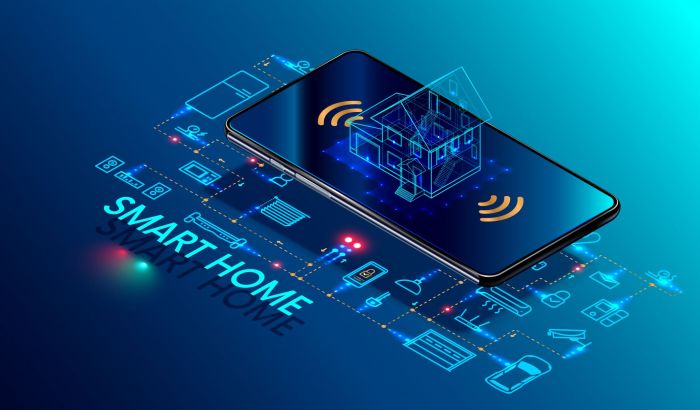
Smart lighting systems aren’t just about illuminating your home; they’re about seamlessly integrating with your broader smart home ecosystem. This interconnectedness unlocks a level of convenience, control, and automation previously unimaginable, transforming your home into a truly intelligent space. The ability to link your lighting with other smart devices elevates the overall user experience and maximizes the benefits of each individual system.The advantages of integrating smart lighting are numerous.
By connecting your lighting to other smart home devices, you can create automated routines, improve security, and enhance the overall ambiance of your living space. Imagine waking up to gradually brightening lights, synced with your smart thermostat adjusting the temperature to your preferred setting. Or, picture the lights automatically turning off when you leave the house, as part of a comprehensive security routine.
These scenarios highlight the powerful synergy achieved through smart home integration.
Smart Home Platform Compatibility
Smart lighting systems boast broad compatibility with a wide array of popular smart home platforms. This ensures that regardless of your existing smart home setup, you can likely integrate smart lighting seamlessly. Many systems offer support for multiple platforms, allowing for flexibility and future-proofing your investment. Choosing a system compatible with your existing setup or your preferred platform is crucial for a smooth and unified smart home experience.
Benefits of Smart Lighting Integration, Why Smart Lighting Systems Are the Future of Home Design
Integrating smart lighting with other smart home systems yields a wealth of benefits. For instance, connecting with a security system can automatically trigger lights to illuminate upon detecting motion, deterring potential intruders. Integration with a smart thermostat can optimize energy efficiency by adjusting lighting based on occupancy and ambient temperature. Synchronization with entertainment systems allows for dynamic lighting changes that enhance movie nights or gaming sessions, creating an immersive and engaging atmosphere.
The possibilities are virtually limitless, offering a personalized and responsive home environment.
Popular Smart Home Platforms and Their Integration Capabilities
Several leading smart home platforms offer robust integration with smart lighting systems. For example, Amazon Alexa and Google Home provide voice control over lighting, allowing users to adjust brightness, change colors, and create scenes with simple voice commands. Apple HomeKit offers a similar level of control and seamless integration within the Apple ecosystem. Other platforms, like Samsung SmartThings and IFTTT (If This Then That), also provide varying degrees of smart lighting integration, offering extensive customization options and automation possibilities.
The specific features and functionalities offered can vary between platforms and lighting systems, so it’s important to research the compatibility before making a purchase.
Future Trends and Innovations in Smart Lighting
The world of smart lighting is constantly evolving, driven by advancements in technology and a growing demand for personalized and energy-efficient lighting solutions. We’re moving beyond simple on/off controls and color temperature adjustments, towards systems that learn our preferences, anticipate our needs, and even impact our well-being. This next generation of smart lighting promises to revolutionize not only home design but also our daily lives.Smart lighting is rapidly integrating cutting-edge technologies, paving the way for a more intuitive and responsive home environment.
This integration is leading to significant advancements in energy efficiency, user experience, and overall home ambiance.
AI-Powered Lighting Controls and Human-Centric Lighting
AI is transforming the way we interact with our lighting systems. AI-powered controls learn our routines and preferences, automatically adjusting lighting levels and colors throughout the day to optimize comfort and energy efficiency. Imagine a system that dims the lights in the evening based on your usual bedtime, or automatically brightens them in the morning to help you wake up naturally.
Furthermore, human-centric lighting (HCL) leverages the understanding of how light affects our circadian rhythms and mood. HCL systems can simulate natural daylight, promoting alertness and productivity during the day and facilitating restful sleep at night. For example, Philips Hue already offers features that allow for the creation of personalized light routines mimicking sunrise and sunset, gradually adjusting light intensity and color temperature to promote a more natural sleep-wake cycle.
This kind of personalized lighting is not just about convenience; it’s about improving overall well-being.
Biodynamic Lighting Systems in Home Environments
Biodynamic lighting systems take the principles of human-centric lighting a step further by synchronizing lighting with our natural circadian rhythms even more precisely. These systems go beyond simply adjusting brightness and color temperature; they consider the spectral composition of light, mimicking the natural changes in light throughout the day and across seasons. The benefits extend beyond mere convenience. Studies have shown that exposure to specific wavelengths of light at different times of day can improve sleep quality, boost mood, and even increase productivity.
Imagine a system that automatically adjusts the light spectrum to support your body’s natural melatonin production in the evening, leading to improved sleep and reduced reliance on sleep aids. While still a relatively nascent field, biodynamic lighting holds immense potential for enhancing the health and well-being of homeowners, making it a key future trend in smart home design.
Early adopters are already reporting improvements in their sleep quality and overall energy levels.
Last Point
In short, smart lighting isn’t just a trend; it’s the future of home design. The benefits – from significant energy savings and enhanced security to unparalleled convenience and personalized ambiance – are too compelling to ignore. As technology continues to advance, expect even more innovative features and seamless integration with other smart home systems. Get ready to illuminate your life, literally and figuratively, with the next generation of home lighting.